Commercial Water Filtration Systems Explained
Feb 27, 2024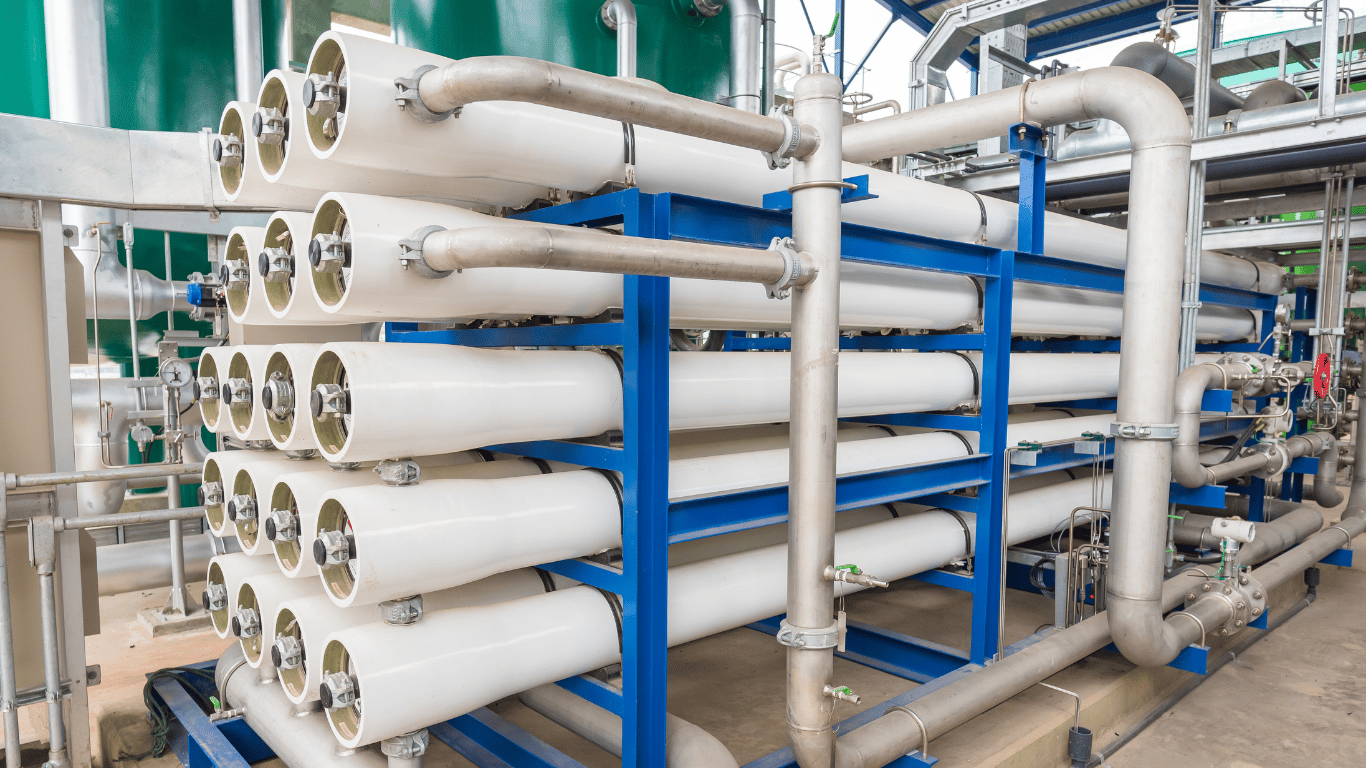
Water quality can influence far more than what comes out of a commercial tap. It can affect equipment performance, production processes, drinking water, and day-to-day operating costs. For that reason, businesses need commercial water filtration systems that match the conditions of their water supply and the demands of their facility.
The right filtration approach starts with understanding the water entering the facility, the contaminants that need attention, and how much water the operation uses. From there, operators can select filtration systems that support reliable water quality without adding unnecessary complexity or maintenance.
Why Commercial Water Filtration Matters
Commercial water filtration helps businesses manage impurities that can interfere with equipment, processes, and water quality. Municipal and other water supplies can contain sediment, chlorine, minerals, heavy metals, and other contaminants. Even when the water meets drinking water requirements, those characteristics may still create problems for a commercial operation.
For example, hard water can contribute to scale buildup inside pipes, heaters, boilers, and other equipment. Sediment can restrict flow and place additional pressure on pumps, while chlorine and other compounds can affect taste, odors, and certain commercial processes. Filtration gives facilities a practical way to address these issues before they affect critical systems or products.
A well-designed commercial water filter system can also help reduce unexpected repairs and maintenance. Cleaner water protects equipment, supports consistent production, and helps facilities maintain the water quality their operations require.
Common Water Quality Challenges in Commercial Facilities
Commercial facilities rarely deal with only one type of water quality concern. Conditions can vary based on the source water, location, building infrastructure, equipment, and intended use. Testing the water first gives operators a clearer picture of which filtration systems can provide meaningful results.
Suspended Solids and Sediment
Sand, silt, rust, and other suspended solids can enter a water system and accumulate over time. These particles can clog pipes, restrict flow, damage valves, and interfere with downstream equipment. A sediment filter often provides an effective first stage because it captures larger particles before water reaches more sensitive filtration equipment.
Facilities with significant sediment loads may need higher-capacity filtration systems that can handle continuous demand. Multi-media filters can help manage heavier suspended-solid loads, while cartridge water filters can provide more targeted particle removal for specific applications.
Hard Water and Dissolved Minerals
Hard water contains minerals such as calcium and magnesium that can form scale on heating surfaces, fixtures, pipes, and process equipment. Scale buildup can reduce heat transfer efficiency and increase maintenance requirements. Over time, excessive limescale buildup can contribute to equipment failure and higher operating costs.
Water softeners and other ion exchange systems can reduce hardness before water reaches equipment that remains sensitive to mineral buildup. Facilities that need additional purification may combine softening with other commercial water filter options, depending on the water chemistry and application.
Chlorine, Odors, and Taste
Chlorine helps disinfect many municipal water supplies, but it can affect taste, odors, and certain commercial processes. Food service operations, restaurants, hotels, and beverage producers often pay close attention to these characteristics because water quality can influence the final product.
Activated carbon filters can reduce chlorine and certain organic compounds that contribute to unpleasant taste and odors. This approach can help businesses provide clean water and great tasting drinking water while supporting more consistent beverage quality.
Heavy Metals and Other Contaminants
Some water supplies contain iron, lead, or other heavy metals that require targeted treatment. Facilities also may encounter different contaminants depending on their source and processes. Standard filtration cannot address every contaminant, so operators should identify the specific water quality issue before selecting equipment.
A certified water specialist can review water testing results and help determine which filtration systems fit the application. Reverse osmosis, specialty media, ion exchange, and other water treatment solutions can address contaminants that basic filtration may not remove effectively.
Types of Commercial Water Filtration Systems
Commercial water filtration systems vary by technology, capacity, and treatment objective. A facility may use one filter for a specific problem or combine several technologies into a multi-stage system. The best configuration depends on the contaminants, flow rate, pressure, water demand, and required quality.
Sediment Filters
Sediment filters remove larger suspended particles such as sand, rust, silt, and other debris. Facilities commonly place them at the beginning of a treatment train to protect downstream equipment and finer filters from excessive loading.
Commercial cartridge filters offer a straightforward option for applications that require regular replacement. Higher-demand facilities may use larger filtration equipment with replaceable media or backwashing capabilities to manage greater volumes of sediment.
Activated Carbon Filters
Activated carbon filters use carbon media to reduce chlorine, odors, and certain organic compounds. They can improve taste and help protect downstream processes that respond poorly to chlorine or organic impurities.
Restaurants, hotels, beverage services, and food production facilities can benefit from carbon filtration when taste and product consistency matter. Operators should still match the carbon system to the expected contaminant load and water flow rate.
Reverse Osmosis Systems
Reverse osmosis systems provide a higher level of purification than conventional particle filtration. A properly designed reverse osmosis system can remove up to approximately 99% of many dissolved solids and significantly reduce various dissolved contaminants.
RO systems can support applications that require high quality water, including certain food production, laboratory, manufacturing, and process-water applications. Operators should consider pretreatment requirements, pressure, recovery, concentrate management, and ongoing membrane maintenance when evaluating reverse osmosis.
Ion Exchange Systems
Ion exchange systems can target specific dissolved ions in water. Water softeners commonly use ion exchange to reduce calcium and magnesium, while specialized resins can address other water chemistry requirements.
These systems can provide valuable protection against scale when hardness creates problems for commercial equipment. However, facilities should account for resin capacity, regeneration requirements, salt or chemical use where applicable, and ongoing maintenance.
Specialty and Multi-Stage Filtration
Some applications require more than one filtration technology. A facility might use a sediment filter to remove suspended solids, activated carbon to reduce chlorine, and reverse osmosis to reduce dissolved solids. Other operations may add specialty media or disinfection based on their water quality objectives.
This layered approach allows operators to address different contaminants at different treatment stages. A review of available water treatment technologies can help facilities understand how individual systems fit together and when a combined treatment strategy makes sense.
Factors to Consider When Choosing a Commercial Water Filtration System
Selecting the right system requires more than comparing equipment specifications or the regular price of a filter. Operators should evaluate the entire application, including water chemistry, demand, equipment compatibility, maintenance, and long-term operating costs.
Start With the Water Quality
Water testing should guide the filtration process. Identify suspended solids, hardness, chlorine, dissolved solids, heavy metals, and other contaminants that could affect the facility. This information helps operators avoid choosing a system that targets the wrong problem.
Testing also provides a baseline for future monitoring. Facilities can compare results over time and determine when filtration performance starts to change.
Match Flow Rate and Pressure Requirements
Every commercial application has different water demands. Restaurants may experience significant demand during meal periods, while industrial facilities may require continuous flow throughout production.
The filtration equipment must accommodate the facility’s required flow rate without creating an unnecessary pressure drop. An undersized system can restrict water availability, while an oversized system can increase equipment and operating costs without providing meaningful benefits.
Consider System Capacity and Size
System capacity should reflect both current and anticipated water use. Operators should account for peak demand rather than relying only on average consumption. Facilities also need enough filtration capacity to maintain performance as filters load with contaminants.
Proper sizing improves reliability and helps prevent premature filter replacement. It also creates a more practical balance between equipment investment, maintenance, and water treatment performance.
Evaluate Maintenance Requirements
Every filtration system requires some level of maintenance. Cartridge filters require replacement when they become exhausted, while backwashing filters require scheduled regeneration or cleaning. RO systems need membrane monitoring, and ion exchange systems require resin regeneration or replacement.
Commercial filter cartridges often require replacement within six to twelve months, although actual service life depends heavily on water quality, usage, and system design. Facilities with poor incoming water quality may experience shorter filter life and higher replacement costs.
Look at Long-Term Operating Costs
The initial equipment cost only represents part of the investment. Operators should also consider filter replacement, water consumption, energy requirements, chemical use, labor, regeneration, and potential downtime.
A lower-cost filter does not always produce the lowest total cost. Efficient filtration can minimize scale buildup, protect equipment, reduce unexpected breakdowns, and help facilities avoid recurring repair expenses.
Check Compatibility With Existing Water Systems
Commercial water filtration systems must work with existing pipes, pumps, valves, storage tanks, appliances, and process equipment. Operators should also verify available installation space, operating pressure, drainage requirements, and electrical needs before installation.
Facilities can avoid unnecessary modifications when they evaluate the complete water system before selecting filtration equipment. This step also helps ensure that the new system can continue supporting changing demands.
Matching Commercial Water Filtration to Industry Needs
Different businesses use commercial water in different ways, so the right filtration strategy depends on the application. A restaurant may prioritize taste and clarity, while an industrial facility may focus on scale control, dissolved solids, or protection for process equipment.
Food and Beverage Operations
Water quality directly impacts food and beverage production. Chlorine, sediment, minerals, and other impurities can influence taste, appearance, consistency, and equipment performance.
Commercial water filters can help control these issues before water reaches production equipment. Activated carbon, sediment filtration, softening, and reverse osmosis can each serve different purposes depending on the facility’s water chemistry and production requirements.
Hotels, Restaurants, and Hospitality Facilities
Hospitality businesses use water throughout guest rooms, kitchens, laundry operations, beverage services, and ice production. Customers can quickly notice changes in taste, odor, or clarity, while hard water can create scale on fixtures and equipment.
A properly designed filtration system can improve the consistency of drinking water while helping protect appliances, ice machines, water heaters, and other equipment. Facilities should also consider how their water systems support broader building water management and safety practices.
Industrial and Manufacturing Facilities
Industrial facilities often require higher flow rates and more specialized filtration. Water may support production, cleaning, cooling, heating, steam equipment, or other processes where impurities can reduce efficiency.
Operators may combine sediment filtration, softening, carbon filtration, reverse osmosis, or specialty treatment to meet process requirements. Removing problematic minerals and contaminants can help protect components, maintain production quality, and minimize equipment downtime.
Healthcare and Laboratory Facilities
Healthcare and laboratory environments can require tightly controlled water quality for specific applications. Dissolved solids, microorganisms, chemicals, and other contaminants may require specialized treatment depending on how the water will be used.
Reverse osmosis and other advanced filtration systems can support applications that require high-purity water. Facilities should establish treatment requirements based on the intended use rather than assuming one filtration system can meet every application.
Maintaining Commercial Water Filtration Systems
Installing commercial water filters does not eliminate the need for ongoing maintenance. Filters collect contaminants as they operate, and filtration media eventually reaches its capacity. Regular inspections help operators identify changes before they affect water quality or equipment performance.
Monitor pressure and flow rate as part of routine system checks. A sudden pressure drop can indicate a clogged filter, while changes in water taste, odor, clarity, or flow can signal that a filter needs attention. Operators should also inspect connections, valves, pipes, and other components for leaks or wear.
Water testing provides another important layer of monitoring. Test the parameters that matter to the application and compare results with established operating targets. Facilities can then adjust maintenance schedules, replace exhausted filters, or reassess treatment requirements before a small filtration problem becomes an operational disruption.
When to Upgrade or Replace a Commercial Water Filtration System
A filtration system can continue operating for years, but that does not mean it will always meet a facility’s current needs. Changes in water demand, water quality, production processes, and equipment can make an existing system less effective.
Common warning signs include declining water pressure, reduced flow, changes in taste or odors, frequent filter replacement, increasing maintenance requirements, and recurring scale or corrosion problems. These conditions can indicate that the system no longer provides enough capacity or that the facility needs a different treatment approach.
Business growth can also justify an upgrade. Expanded production, new equipment, higher water demand, or tighter water quality requirements may exceed the capabilities of an older system. Reviewing the signs your commercial water filtration system needs an upgrade can help operators determine when replacement or system expansion makes more sense than continuing with an aging setup.
Building a Practical Commercial Water Filtration Strategy
A reliable filtration strategy starts with the water, not the equipment catalog. First, test the incoming water and identify the contaminants, minerals, sediment, and other characteristics that affect your operation. Next, determine the required flow rate, pressure, water volume, and quality for each application. Then, match those requirements with the appropriate filtration technology, such as sediment filtration, activated carbon, softening, reverse osmosis, or specialty treatment.
After installation, establish a maintenance and monitoring schedule that tracks filter condition, pressure, flow, water quality, and system performance. Finally, review the system as your business changes so you can expand capacity or upgrade filtration before water quality problems affect production, equipment, or customers. Need help evaluating your commercial water filtration needs? Contact R2J Chemical Services for expert guidance on selecting and maintaining the right system for your facility.
Frequently Asked Questions (FAQ)
What do commercial water filtration systems remove?
Commercial water filtration systems can target suspended solids, sediment, chlorine, hardness minerals, heavy metals, dissolved solids, odors, and other contaminants. The exact contaminants a system can remove depend on the filtration technology, media, system design, and water chemistry.
How often should commercial water filters be replaced?
Filter life depends on water quality, filter capacity, flow rate, and usage. Many commercial filter cartridges require replacement within six to twelve months, while some backwashing systems can operate for a year or longer before the filtration media needs replacement or service.
Can commercial water filtration systems prevent scale buildup?
Certain systems can reduce the minerals responsible for scale buildup. Water softeners can reduce calcium and magnesium, while reverse osmosis can significantly reduce dissolved solids. The appropriate approach depends on the facility’s water chemistry and the equipment that needs protection.
Does filtration improve the taste of commercial water?
Yes. Filtration can reduce chlorine, odors, sediment, and other impurities that affect taste. This can make a noticeable difference for restaurants, hotels, beverage services, and food production facilities where water quality influences the customer experience and final product.
How do I choose the right commercial water filtration system?
Start with water testing to identify the contaminants and water chemistry that require attention. Then evaluate flow rate, pressure, water demand, system capacity, maintenance requirements, installation conditions, and long-term operating costs. A qualified water treatment professional can use those factors to recommend the right system for the facility rather than relying on a one-size-fits-all solution.

 Mike Gunn