Closed-Loop Water Treatment Programs
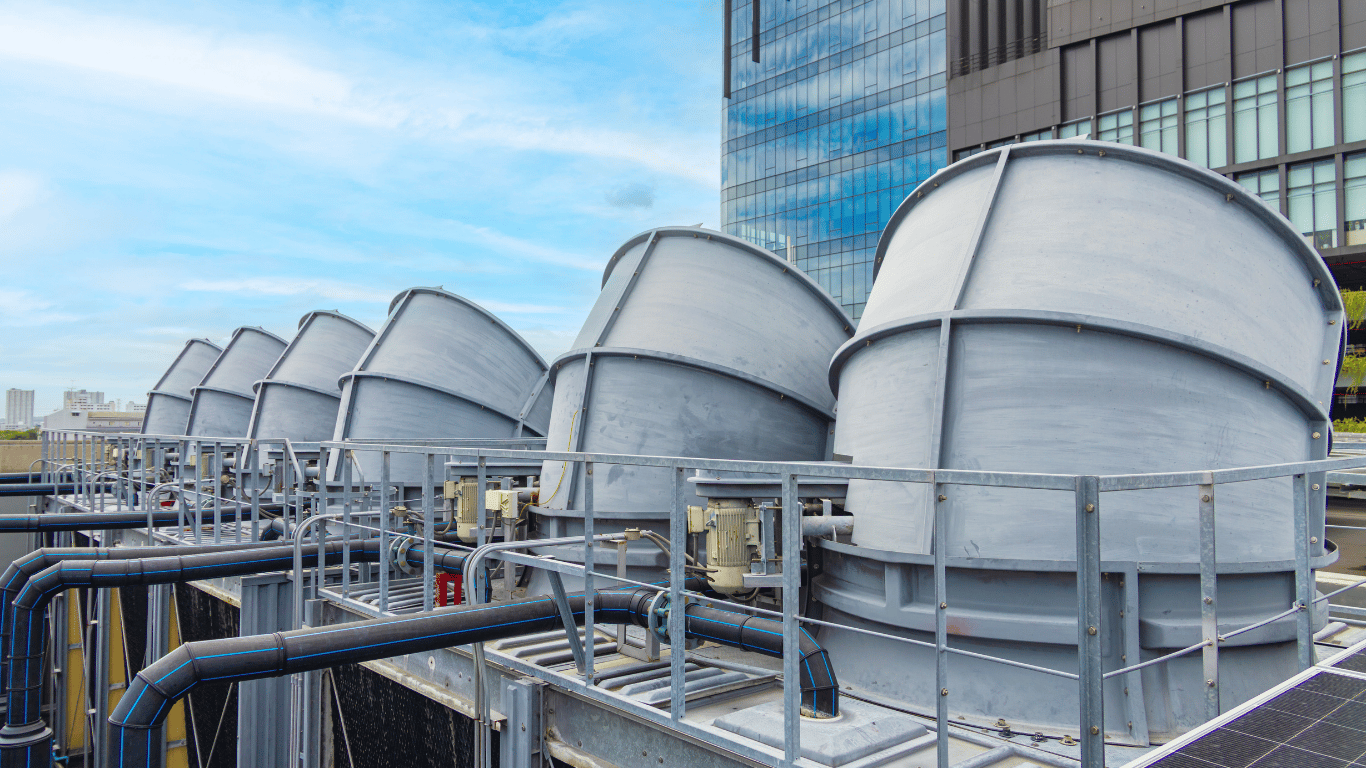
R2J Chemical Services provides closed loop water treatment services that help commercial and industrial facilities protect equipment, maintain water quality, and support reliable system performance. Our tailored programs address the needs of chilled water, hot water, glycol, and process cooling systems.
Why Closed Loop Water Treatment Matters
Closed loop systems circulate the same water through piping, pumps, and heat exchangers to transfer heat throughout a facility. Unlike open systems, they typically require less make-up water because they limit continuous exposure to the atmosphere. However, leaks, oxygen ingress, chemical imbalances, and contamination can still compromise water quality and equipment performance.
Without proper water treatment, corrosion can thin metal surfaces, deposits can restrict flow, and biological growth can interfere with heat transfer. These issues may increase energy consumption, contribute to system failures, and lead to costly repairs. A consistent closed loop water treatment program helps facility teams identify these risks early, protect system integrity, and extend equipment life.
Common Challenges in Closed Loop Systems
Even systems that operate under stable conditions can develop water quality problems over time. R2J evaluates the specific conditions within each water system to identify potential causes and recommend appropriate treatment.
Corrosion and Metal Degradation
Dissolved oxygen, unsuitable pH levels, and inadequate inhibitor concentrations can accelerate corrosion in piping, pumps, valves, and heat exchangers. Rust-colored water or elevated iron levels may indicate internal metal degradation. In systems with different metals, galvanic corrosion can also occur when material compatibility and water chemistry create unfavorable conditions.
Corrosion inhibitors help protect metal surfaces and manage corrosion rates. However, the correct formulation depends on the system’s metallurgy, operating conditions, and existing treatment chemistry. Aluminum heat exchangers, for example, require particular attention to pH and inhibitor compatibility because unsuitable chemical conditions can damage their surfaces.
Scale, Deposits, and Suspended Solids
Although closed loops generally experience less mineral concentration than open recirculating systems, scale formation and sediment accumulation can still occur. Make-up water introduces dissolved minerals, while corrosion produces iron oxide and other suspended solids. These materials can collect in low-flow areas, restrict circulation, and interfere with heat transfer surfaces.
Proper filtration and system cleaning help remove suspended solids before they contribute to blockages or additional equipment wear. When deposits have accumulated, chemical cleaning or flushing may help restore flow and improve system performance. The appropriate method depends on the deposit composition, system materials, and equipment manufacturer’s recommendations.
Microbiological Growth and Contamination
Closed loops can support microbial growth when operating conditions, contamination, and stagnant areas allow microorganisms to develop. Biofilm can accumulate on internal surfaces, while some microbial activity can contribute to under-deposit corrosion. Air leaks, frequent make-up water additions, and poor circulation can increase the risk of contamination.
A suitable treatment program evaluates the source of contamination and determines whether filtration, cleaning, or specialized biocides are appropriate. For additional background, read R2J’s guide to biofilm in water systems.
Glycol Deterioration and Freeze Protection
Glycol-based closed loop systems need careful monitoring to maintain the intended freeze protection and corrosion control. Incorrect glycol concentrations can compromise temperature protection, while degraded glycol may form acidic breakdown products that damage system components. Inhibitor depletion can also leave metal surfaces vulnerable to corrosion.
Routine glycol analysis helps facility teams evaluate concentration, condition, and inhibitor levels. Treatment adjustments should account for the glycol type, system materials, minimum operating temperature, and equipment requirements.
R2J’s Closed Loop Water Treatment Services
R2J develops treatment programs around each system’s design, water quality, operating conditions, and maintenance objectives. Our services help facility teams address existing problems while maintaining the chemistry needed for long-term reliability.
Water Testing and Chemical Analysis
Regular testing establishes whether the system’s water chemistry remains within the recommended operating range. Depending on the application, testing may include pH, conductivity, inhibitor residuals, dissolved metals, glycol concentration, and other relevant water quality parameters.
Laboratory analysis can provide a more detailed view of corrosion, contamination, and treatment performance. R2J uses testing results to identify developing problems, evaluate treatment effectiveness, and recommend targeted chemical adjustments rather than relying on assumptions or unnecessary chemical additions.
Corrosion Inhibitor Programs
Corrosion inhibitors help protect piping and equipment by reducing the reactions that degrade metal surfaces. R2J selects treatment chemistry based on the materials present, including steel, copper, aluminum, and mixed-metal systems. The program also accounts for operating temperatures and existing water conditions.
Proper dosing and regular monitoring help maintain effective inhibitor residuals. When concentrations fall below the required range, corrosion risks can increase. Excessive or incompatible chemical additions can also create problems, so facility teams should follow the treatment provider’s recommendations and equipment specifications.
System Cleaning and Flushing
New systems may contain construction debris, oils, and other contaminants that interfere with treatment. Existing systems can accumulate sludge, corrosion products, and deposits that restrict circulation. System cleaning and flushing help remove these materials before they cause persistent operational problems.
R2J can assess whether a system needs initial cleaning, corrective flushing, or targeted chemical cleaning. The approach should match the type of contamination and the system’s materials to avoid unnecessary damage. After cleaning, follow-up testing and appropriate chemical conditioning help establish suitable operating conditions.
Glycol Testing and Treatment
Glycol testing helps confirm that a system maintains the required concentration and chemical condition for its application. R2J evaluates glycol-based loops for freeze protection, inhibitor performance, and signs of degradation that could affect heat transfer or equipment life.
Treatment recommendations may include correcting glycol concentration, replenishing compatible inhibitors, or addressing degraded fluid. Facility teams should avoid assuming that adding more glycol or chemicals will resolve every problem; testing provides the information needed to select an appropriate corrective action.
Ongoing Monitoring and Reporting
A reliable treatment program requires more than an initial chemical application. Routine measurements, laboratory analysis, and service reports help operators track changing conditions and identify trends before they become significant problems.
R2J also offers remote water treatment monitoring for applicable systems. Remote monitoring can support visibility into critical operating parameters and help facility teams respond to developing issues. The available monitoring points and service frequency depend on system requirements and the selected program.
Types of Closed Loop Systems We Treat
Closed loop water treatment must reflect the operating demands of the equipment it supports. R2J works with a range of commercial and industrial applications, including:
- Chilled water systems: These systems circulate chilled water through air-conditioning and process cooling equipment. Treatment helps control corrosion, sediment, and conditions that may reduce heat transfer efficiency.
- Hot water systems: Heating loops need suitable corrosion protection and stable water chemistry to protect boilers, piping, pumps, and heat exchangers.
- Glycol systems: These loops use ethylene glycol or propylene glycol where freeze protection or specific operating conditions require it.
- Dual-temperature systems: Systems that operate across different temperature ranges require treatment suited to their materials and changing operating conditions.
- Process and equipment cooling loops: Industrial equipment may rely on closed loop water to remove heat. Proper filtration and chemistry help protect sensitive components and maintain reliable operation.
Each application has distinct water quality requirements. A treatment plan should account for system volume, metallurgy, operating temperatures, make-up water quality, and the consequences of equipment downtime.
Warning Signs Your Closed Loop System Needs Attention
Water chemistry problems may develop gradually, so routine inspections and testing are important even when equipment appears to operate normally. Watch for these indicators:
- Discolored or rust-colored water: This may indicate corrosion products or contamination within the loop.
- Changing inhibitor levels: Unexpected inhibitor depletion can signal dilution, chemical degradation, or another underlying problem.
- Elevated dissolved metals: Increasing iron or copper concentrations may indicate corrosion within the system.
- Unexplained leaks: Leaks at joints, welds, or equipment connections can contribute to oxygen ingress and repeated make-up water additions.
- Reduced heat transfer or flow: Fouling, suspended solids, and deposits may affect circulation and equipment performance.
- Frequent pump or heat exchanger issues: Recurring problems may indicate that the treatment program needs review.
- Changes in glycol condition: Unexpected concentration changes or signs of fluid degradation warrant further investigation.
A single indicator does not always confirm a specific problem. Water analysis, equipment inspections, and operating data help determine the underlying cause and guide corrective action.
Routine Testing and Maintenance Support Long-Term Savings
Consistent monitoring helps protect system efficiency and control operating costs. When corrosion, fouling, or chemical imbalance goes undetected, facilities may experience energy waste, reduced heat transfer, unplanned downtime, and premature equipment replacement. Corrective work can also become more expensive when deposits or corrosion have progressed.
R2J recommends establishing a testing schedule based on system criticality, operating conditions, treatment chemistry, and previous results. Monthly testing can serve as a useful starting point for many programs, but the appropriate frequency depends on the system and its risk profile. Additional testing may be necessary after chemical adjustments, repairs, unusual make-up water additions, or unexpected changes in operating performance.
Facility teams should also investigate recurring water loss. Frequent make-up water additions can introduce oxygen and minerals that disrupt treatment chemistry, so operators should identify and correct leaks instead of relying on repeated chemical adjustments. For related guidance, explore R2J’s article on corrosion monitoring in water systems.
A coordinated approach to testing, treatment, filtration, and maintenance helps maintain water quality and reduce avoidable repairs. R2J works with facility teams to assess system conditions, establish treatment targets, and adjust service recommendations as operating requirements change.
Protect Your Closed Loop System with R2J
Start with a review of your system’s water quality, equipment materials, operating conditions, and maintenance history. Next, use water analysis to identify corrosion risks, contamination, glycol concerns, or other treatment gaps. R2J Chemical Services can then recommend a program that combines appropriate treatment chemistry, testing, cleaning, and ongoing monitoring to support system efficiency and extend equipment life. Contact us today to schedule water testing or request a closed loop water treatment proposal for your facility.
Frequently Asked Questions (FAQ)
What is closed loop water treatment?
Closed loop water treatment manages the chemistry and cleanliness of water that recirculates through a heating, cooling, or process system. Treatment may include corrosion inhibitors, filtration, glycol management, cleaning, and routine testing to protect equipment and maintain reliable heat transfer.
How often should closed loop water be tested?
Many facilities use monthly testing as a starting point, although the appropriate schedule depends on system design, treatment chemistry, operating conditions, and risk. Additional analysis may be necessary after repairs, treatment changes, unexplained water loss, or signs of corrosion.
Which chemicals do closed loop systems need?
Treatment chemicals depend on the system’s metallurgy, water quality, operating temperature, and application. Programs commonly use corrosion inhibitors, while certain systems may require compatible biocides or glycol conditioning. Testing helps determine which products are appropriate and whether the system needs an adjustment.
Can closed loop water treatment improve energy efficiency?
Yes. Proper treatment helps control corrosion products, deposits, and other conditions that interfere with circulation and heat transfer. Maintaining clean heat transfer surfaces can support efficient operation, although actual energy savings depend on the system’s condition, design, and operating practices.
What should I do if my closed loop system shows signs of corrosion?
Arrange a water chemistry assessment and inspect the system for leaks, oxygen ingress, inhibitor depletion, and contamination. Avoid adding chemicals without confirming the cause. A qualified water treatment provider can use testing results to recommend corrective treatment, cleaning, and follow-up monitoring.

 Tony Toscano
