How Side Stream Filtration Improves Cooling Systems
Oct 27, 2025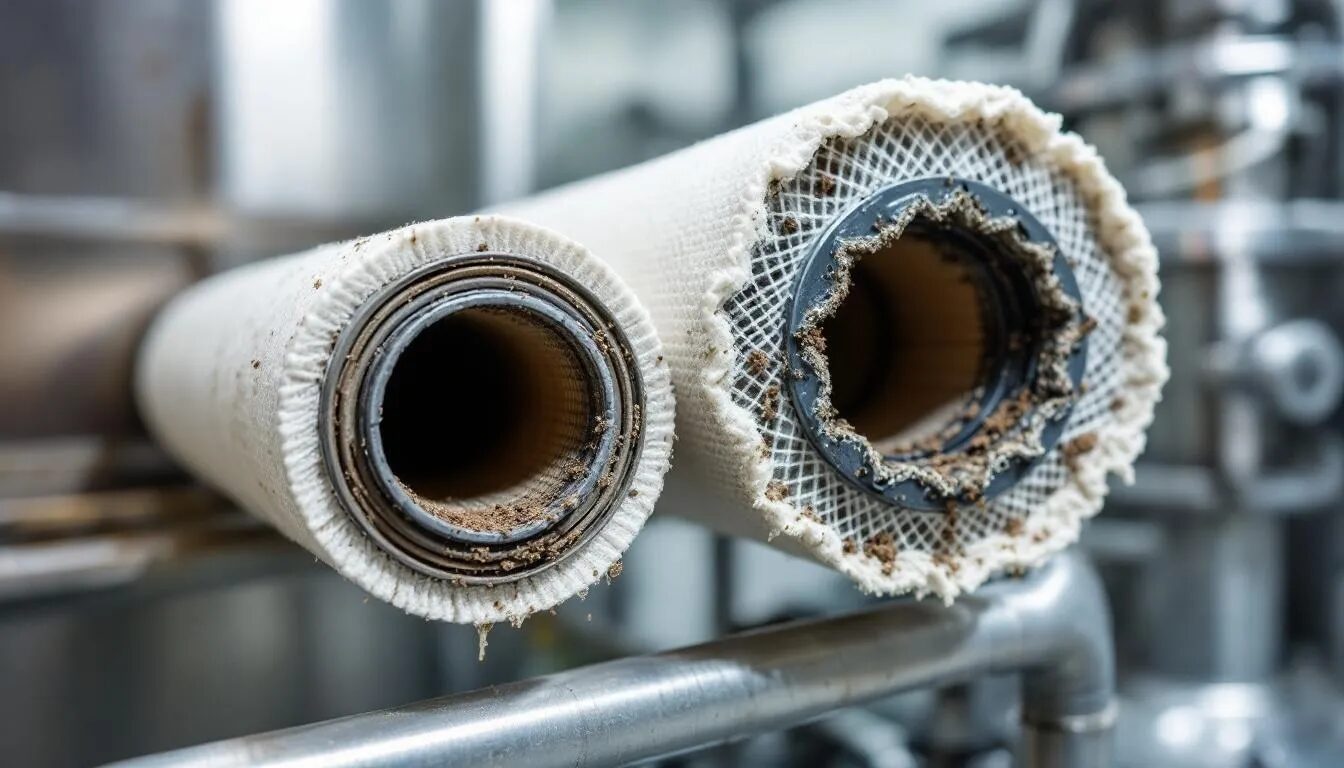
When you look at most cooling tower systems, the first thing you’ll notice is how exposed they are. Dust, debris, and organic matter from the air find their way into the water loop every day. Over time, those tiny particles build up and affect performance. That’s where side stream filtration comes in. It quietly works in the background, removing contaminants before they cause problems like fouling or corrosion. In industrial settings, this small but powerful process helps maintain cleaner water, better heat transfer, and longer equipment life across the entire cooling system.
In this article, we’ll take a closer look at what side stream filtration is, how it works, and why it’s essential for cooling tower systems. You’ll also learn how proper filtration supports chemical treatment programs, reduces maintenance costs, and improves system performance over time.
What Is Side Stream Filtration?
Side stream filtration is a practical way to keep cooling tower systems operating efficiently without shutting them down for cleaning. Instead of treating the entire water loop at once, this process filters only a small portion of the circulating water at a time.
How It Works
- A small percentage of the cooling water, usually 5% to 15%, is diverted into a side stream loop.
- That diverted water passes through a filtration system where particles, debris, and contaminants are removed.
- The clean water is then returned to the main system, maintaining stable quality throughout the loop.
Why It Matters
By targeting a portion of the flow, a side stream filter provides continuous cleaning without interrupting cooling operations. It helps control solids, reduce fouling, and improve system reliability over longer periods.
How It Works in Cooling Tower Systems
Cooling towers are open to the atmosphere, so dirt, dust, pollen, and other airborne particles constantly enter the water loop. As the tower evaporates water to release heat, these contaminants become concentrated, forming deposits that interfere with cooling performance.
A side stream filtration system helps prevent that buildup by working continuously alongside the cooling tower operation.
Typical Setup
- The system diverts a portion of the cooling tower water into a separate filtration loop.
- Inside this loop, bag filters, cartridge filters, or other filter media remove suspended solids and organic material.
- The cleaned water returns to the basin or sump, keeping the tower water cleaner and the system more stable.
Consistent filtration reduces scaling, corrosion, and biological growth; key factors that affect energy use and maintenance costs.
Why Clean Water Protects Cooling System Performance
A cooling system is only as good as the quality of the water running through it. When suspended solids or organic material circulate freely, they settle on internal surfaces and begin to affect system performance.
Common Issues Without Proper Filtration
- Fouling and scaling reduce the system’s ability to transfer heat efficiently.
- Corrosion increases when deposits trap moisture and oxygen against metal surfaces.
- Biological growth spreads more easily, feeding on accumulated debris.
How Side Stream Filtration Helps
- Continuously removes fine particles before they form deposits on heat exchangers and pipes.
- Reduces the need for frequent mechanical cleaning and improves heat transfer rates.
- Supports longer equipment life and lower maintenance costs.
Over time, these improvements add up to better efficiency and measurable energy savings. For more insights, see our guide on reducing operational costs with high-efficiency water filtration.
Key Benefits of Side Stream Filtration
A well-designed side stream filtration system delivers steady improvements across the entire cooling water system. The benefits go beyond just cleaner water. They also directly support performance, cost control, and equipment longevity.
Operational Benefits
- Keeps tower water clear and reduces fouling in heat exchangers.
- Improves heat transfer and helps maintain stable operating temperatures.
- Reduces operating costs by minimizing downtime and maintenance needs.
Long-Term Results
- Extends equipment life by lowering corrosion rates.
- Supports a more efficient chemical treatment balance.
- Delivers a high ROI through energy savings and fewer system cleanings.
To understand how mechanical and filtration efficiency work together, see our guide on the difference between water treatment and filtration.
Strengthening Chemical Treatment Through Filtration
Side stream filtration doesn’t replace chemical treatment. Instead, it makes it work better. When solids and organic material are constantly removed, the system’s chemical treatment program can perform more efficiently and with greater consistency.
Better Water Chemistry
- Clean water allows corrosion inhibitors and biocides to distribute evenly through the system.
- Fewer dead organisms and deposits mean less chemical demand over time.
- Balanced chemistry helps maintain lower corrosion rates and prevents scaling on critical surfaces.
Smart System Synergy
Mechanical and chemical methods complement each other when properly managed. A strong filtration system protects chemical investments, keeps system water cleaner, and improves overall tower reliability.
If you’re monitoring your treatment results and still notice irregularities, see our guide on signs a commercial water filtration system needs an upgrade.
Building a Smarter Filtration Strategy
Optimizing side stream filtration starts with understanding your cooling tower system and its specific needs.
Practical Steps
- Flow rate: Ensure the side stream loop treats a portion of the water that balances effective cleaning without overloading the system.
- Filter selection: Choose the right stream filter or media, such as bag filters or cartridge filters, based on particle load and make up water source quality.
- Maintenance monitoring: Track system water quality and schedule regular inspections to prevent fouling and maintain consistent performance.
Need help selecting or maintaining the right filtration setup for your cooling tower system? Talk to our water treatment experts to build a solution that improves efficiency, reduces maintenance costs, and extends equipment life.
Frequently Asked Questions (FAQs)
What portion of water is filtered in a side stream filtration system?
Typically, 5% to 15% of the total circulating water is diverted through a side stream loop. This steady flow ensures continuous removal of particles and debris without disrupting normal tower operation.
How does side stream filtration improve cooling tower performance?
By removing suspended solids, organic material, and debris, it prevents fouling on heat exchangers and piping, maintaining heat transfer rates and overall system efficiency.
What types of filters are used in side stream filtration systems?
Common options include bag filters, cartridge filters, and other high-efficiency filtration systems, selected based on particle size and system water conditions.
Can side stream filtration lower operating costs?
Yes. Cleaner water reduces maintenance, decreases the need for frequent mechanical cleaning, and improves energy efficiency, resulting in lower operating costs.
How does it affect heat exchangers and energy efficiency?
By preventing fouling and corrosion, side stream filtration ensures better heat transfer rates, allowing cooling towers and chillers to operate more efficiently with less energy consumption.

 Tony Toscano