Reverse Osmosis Skids for Modular Water Treatment
Mar 20, 2026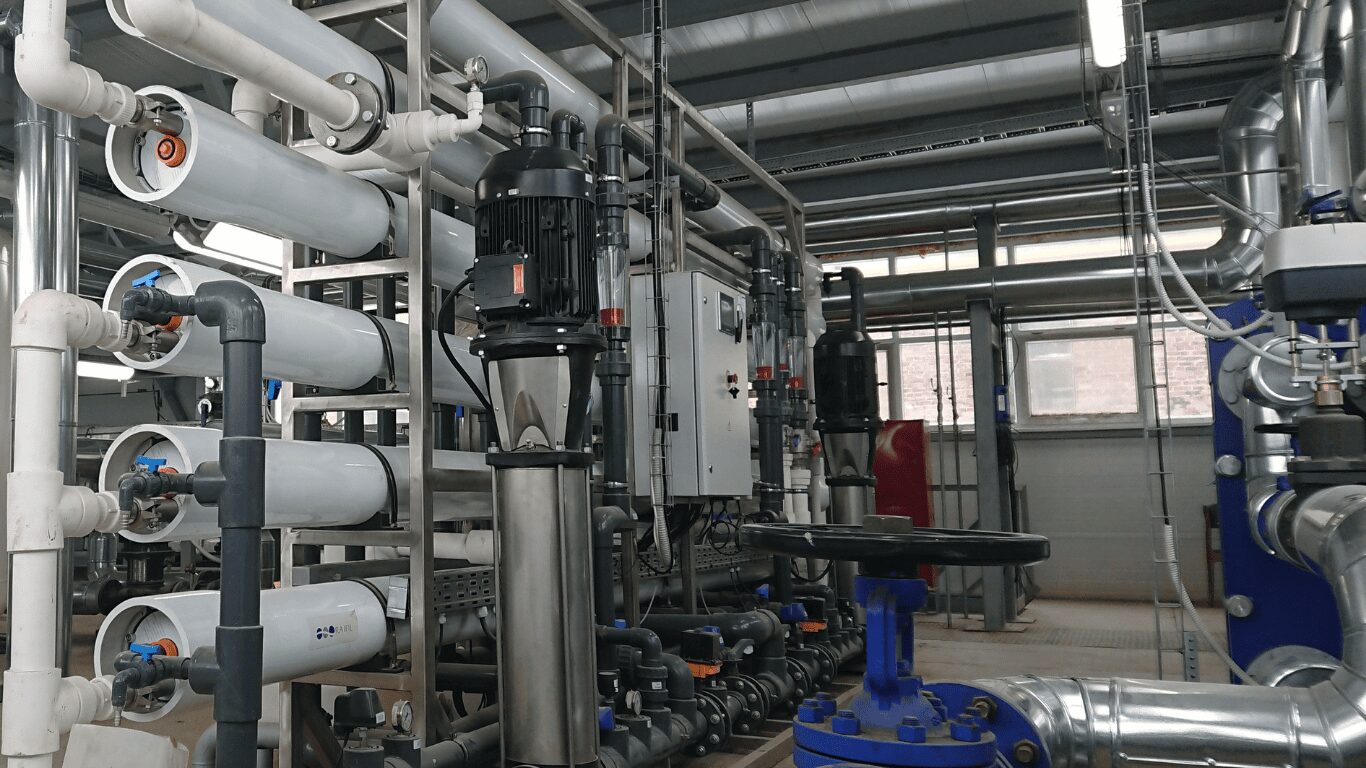
Modern water treatment increasingly relies on compact, efficient solutions that deliver high-quality water with minimal downtime. A reverse osmosis skid is a modular system designed to simplify the deployment of reverse osmosis systems in industrial, commercial, and municipal applications. These skid-mounted units integrate pumps, filters, membranes, and control systems into a single, pre-assembled package, making installation faster and more reliable. Operators often appreciate that such systems reduce space requirements while maintaining consistent water treatment performance. Understanding how a reverse osmosis skid works can help facilities improve efficiency, manage operational costs, and ensure a steady supply of clean water.
What is a Reverse Osmosis Skid?
A reverse osmosis skid is a fully integrated, skid-mounted water treatment system that combines all essential components into a single, transportable unit. These packaged reverse osmosis systems typically include RO membranes, feed pumps, pre-filters, carbon filters, chemical dosing equipment, and instrumentation for monitoring pressure, flow, and water quality. The modular design allows facilities to install the system quickly without extensive on-site construction, making it ideal for industrial, commercial, or municipal projects with tight timelines. Operators benefit from the compact layout, simplified plumbing, and centralized controls. Skid-mounted RO units also reduce installation errors and allow for easier maintenance, offering a reliable solution for producing consistent, high-quality water.
How Reverse Osmosis Works
Reverse osmosis is a water purification process that removes dissolved salts and impurities from feed water by forcing it through semi-permeable membranes under pressure. As water passes through the RO membranes, contaminants such as minerals, sediments, and other dissolved solids are separated, producing purified RO water often suitable for drinking water or industrial applications. The process effectively lowers total dissolved solids (TDS) levels, ensuring consistent water quality. Pre-filters and carbon filtration stages protect the membranes, improving efficiency and extending service life. Operators can monitor pressure, flow, and water quality to maintain optimal performance. Overall, reverse osmosis offers a reliable and efficient method for producing clean, high-quality water.
Key Components of an RO Skid
A reverse osmosis skid integrates several critical components that work together to produce high-quality water efficiently. Pumps maintain the necessary pressure for water to pass through RO membranes, while pre-filters and carbon filters remove sediments, chlorine, and other contaminants that could damage the membranes. Chemical dosing systems help prevent scaling and fouling, protecting the system and extending membrane life. Control panels provide operators with real-time monitoring of pressure, flow, and water quality, allowing for adjustments to maintain optimal performance. Regular monitoring not only safeguards the membranes but also helps reduce operational costs by preventing damage and maintaining system efficiency. Together, these components ensure that a skid-mounted RO system delivers consistent, reliable water treatment.
Applications of Reverse Osmosis Skids
Reverse osmosis skids serve a wide range of commercial applications and industrial processes. Facilities use them for seawater desalination, producing pure water for manufacturing, food processing, and municipal supply. They also provide reliable drinking water treatment and prepare boiler feed water to prevent scaling and corrosion. The modular, skid-mounted design allows for quick installation in spaces with limited room, making them ideal for urban facilities or retrofit projects. Many operators choose commercial reverse osmosis skids for their flexibility, compact footprint, and consistent water quality, ensuring operations run efficiently without compromising performance.
Benefits of Using a Reverse Osmosis Skid
Using a reverse osmosis skid offers significant advantages for facilities seeking consistent water quality and operational efficiency. These systems provide continuous operation, ensuring a steady supply of purified water for industrial, commercial, or municipal needs. Operators benefit from improved efficiency as the integrated design reduces energy consumption and simplifies monitoring. The modular setup enhances reliability, minimizing downtime and easing maintenance tasks. Additionally, a well-maintained RO skid helps lower operational costs by extending membrane life and preventing system damage. For facilities aiming to optimize water treatment, these benefits make skid-mounted RO solutions a practical, long-term choice.
Considerations When Choosing an RO Skid
Selecting the right RO skid requires careful evaluation of facility needs and water characteristics. Operators should assess flow rates, TDS levels, and feed water pressure to ensure the system meets production demands and maintains water quality. Chemical dosing capabilities must align with local water conditions to prevent scaling and fouling. Additionally, system design should consider space constraints, accessibility for maintenance, and integration with existing infrastructure. Choosing the right skid ensures reliable performance and long-term efficiency. Proper planning and understanding of site requirements are essential when implementing RO solutions tailored to your operation.
Maintenance and Technical Support
Maintaining a reverse osmosis system is key to ensuring consistent performance and extending the life of critical components like RO membranes and pumps. Regular inspection, timely filter replacement, and monitoring chemical dosing prevent scaling and fouling, reducing potential downtime. Proactive maintenance helps manage maintenance costs by avoiding costly repairs and preserving efficiency. Access to reliable technical support is essential for troubleshooting, system adjustments, and emergency response, ensuring uninterrupted water filtration. Facilities that combine scheduled upkeep with expert guidance can maximize the reliability and productivity of their skid-mounted RO systems.
R2J’s Reverse Osmosis Skid Services
At R2J Chemical Services, we provide expert guidance and turnkey RO skid solutions tailored to each facility’s needs. Our team designs, installs, and maintains modular systems that optimize water treatment for industrial and commercial applications. Whether you’re upgrading an existing setup or implementing a new skid, we ensure seamless integration, efficient operation, and reliable performance. Learn how to identify system issues in our guide on Signs Commercial Water Filtration System Needs Upgrade. Explore sustainable practices in Sustainable Water Treatment and understand advanced processes in Membrane Filtration Water Treatment.
Need help selecting or maintaining your RO skid? Connect with our experts today to schedule a consultation and discover the right solution for reliable, efficient, and cost-effective water treatment.
Frequently Asked Questions (FAQs)
What maintenance does an RO skid require?
Regular inspection of RO membranes, pumps, and filters is essential. Cleaning, replacing filter cartridges, and checking chemical dosing help reduce maintenance costs and maintain system performance.
How do chemical dosing systems support RO membranes?
Chemical dosing prevents scaling and fouling on RO membranes, extending their life and improving overall water quality. Proper dosing also helps control pH and minimizes operational issues.
Can RO skids produce safe drinking water continuously?
Yes, skid-mounted reverse osmosis systems can provide continuous pure water for industrial, commercial, and municipal needs when monitored correctly.
What are common contaminants RO systems remove?
RO systems reduce dissolved salts, sediments, chlorine, and other impurities, producing clean RO water suitable for drinking and industrial processes.
How does monitoring improve RO system efficiency?
Real-time monitoring of flow rates, pressure, and water quality allows operators to optimize performance, reduce energy consumption, and lower operational costs while ensuring reliable water treatment.

 Edward Wehunt