Parts of a Water Softener and Their Functions
Apr 06, 2026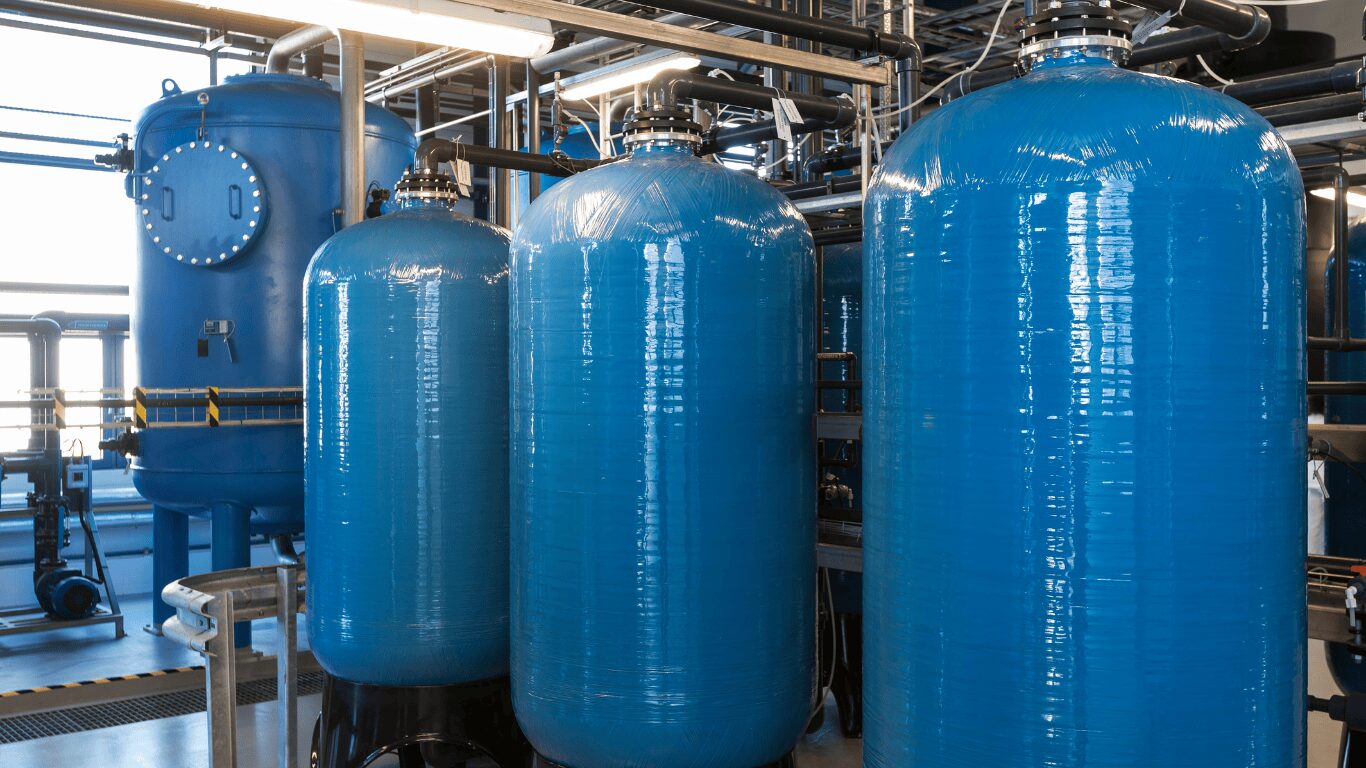
A water softener system plays a crucial role in improving water quality by removing hardness minerals like calcium and magnesium. Understanding the parts of a water softener helps homeowners and facility operators maintain efficiency, prevent scale buildup, and extend the life of plumbing and appliances. Knowing how each component works ensures your system delivers consistent soft water, reduces maintenance issues, and keeps daily operations running smoothly.
Why Understanding Water Softener Components Matters
Hard water can cause scale buildup that shortens the lifespan of appliances and clogs plumbing. A well-maintained water softener system protects your home or facility by reducing these risks. Understanding each part of the softener allows operators and homeowners to optimize efficiency, plan regular maintenance, and catch potential issues early. Teams often find that small adjustments to components can improve performance dramatically. Learn more about how hard water affects your system in our guide on what is hard water.
The Main Parts of a Water Softener System
A water softener consists of several key components that work together to deliver soft water. The main parts include the resin tank, where ion exchange occurs, and the brine tank, which stores the salt solution for regeneration. Additional components such as control valves, drain lines, and bypass valves ensure proper flow and system operation. Understanding these water softener parts is essential for maintaining the tank, optimizing efficiency, and ensuring the overall system functions effectively.
Resin Tank and Resin Beads
The resin tank is the heart of a water softener, where hard water is transformed into soft water. Inside, resin beads attract and hold hardness minerals like calcium and magnesium through the ion exchange process. Sodium ions on the resin replace the hardness minerals, effectively softening the water. Over time, the beads become saturated and require regeneration. Understanding how the resin tank and resin beads work helps operators optimize softening efficiency and ensures the system consistently delivers high-quality, soft water throughout the home or facility.
Brine Tank and Brine Solution
The brine tank stores the salt needed to create the brine solution, which regenerates the resin tank. During regeneration cycles, the brine flows through the resin, replacing the hardness minerals with sodium ions and restoring the beads’ softening capacity. Monitoring salt usage and ensuring the brine tank never runs low prevents the resin from becoming saturated and losing effectiveness. Regularly checking the brine solution and maintaining proper salt levels keeps the system running efficiently and ensures the water softener continues producing high-quality, soft water consistently.
Control Valve and Regeneration Cycles
The control valve manages water flow through the system and initiates regeneration cycles automatically. It directs hard water into the resin tank and ensures brine flows correctly during regeneration, optimizing the ion exchange process. Properly programmed cycles help maintain efficiency while minimizing water usage and salt consumption. Operators who understand the control valve can adjust settings to match household or facility demand, preventing wasted resources and ensuring the water softener system consistently delivers soft water without interruptions or unnecessary strain on the components.
Supporting Components: Valves, Lines, and Connectors
Supporting components ensure your water softener system runs smoothly and safely. The bypass valve allows water to flow around the softener during maintenance or installation, preventing interruptions. Drain lines carry used brine and wastewater away, while connectors and pipes link tanks and control valves securely. Proper plumbing and installation of these parts are essential to avoid leaks, maintain efficiency, and protect your system. Regular inspection of these components helps homeowners and operators catch issues before they affect soft water quality.
Filters and Pre-Treatment Components
Filters and pre-treatment components protect the water softener system and improve water quality. Sediment filters remove dirt, sand, and other impurities before they reach the resin tank, while additional filtration systems can reduce chlorine, pesticides, and other contaminants. Some setups integrate reverse osmosis for even higher-quality water. Regular maintenance of these components ensures efficient operation and extends the life of the system. Learn more about upgrading your system in our guide on signs a commercial water filtration system needs upgrade.
Maintaining and Replacing Water Softener Parts
Regular maintenance keeps your water softener system efficient and extends the life of its components. Homeowners should check tanks, valves, and connectors for wear and replace worn-out parts promptly. Using quality water softener replacement parts ensures cost-effective repairs and prevents damage to the system. Routine cleaning, inspections, and timely replacement help avoid larger issues. Operators often improve performance and prevent biofilm or buildup by combining maintenance with proper water flow management, as explained in our guide on pipe flushing.
Building a Reliable Water Softening Setup
Maintaining a water softener system starts with understanding your water quality and determining the right size and model for your home or facility. Ensure all components are properly installed and check salt and resin levels regularly. Protect your system with routine inspections and timely replacement of worn parts.
Need help keeping your water softener running efficiently? Our team can guide you on proper installation, maintenance, and replacement parts so your system consistently delivers soft, high-quality water. Contact R2J today to get expert advice tailored to your setup.
Frequently Asked Questions (FAQs)
What are the main parts of a water softener?
A typical water softener includes the resin tank, brine tank, control valve, bypass valve, and plumbing connectors. The resin tank contains resin beads that remove hardness minerals like calcium and magnesium through ion exchange, while the brine tank stores salt to regenerate the system. These components work together to provide soft water and prevent scale buildup.
How often should water softener replacement parts be checked?
Homeowners and operators should inspect replacement parts such as valves, drain lines, and connectors during routine maintenance. Checking for wear and replacing parts promptly keeps the system efficient, protects appliances, and maintains high-quality water.
Can water softeners work with pre-filtration or reverse osmosis?
Yes. Filtration systems remove sediment, chlorine, dirt, pesticides, and other impurities before water reaches the softener. Some setups pair with reverse osmosis to enhance water quality further, especially in areas with very hard water.
What affects salt usage and regeneration cycles?
Salt usage depends on water hardness, system size, and the number of regeneration cycles. Properly maintained resin beads and brine solution prevent the resin tank from becoming saturated, ensuring efficient softening and consistent soft water production.
How can I maintain my water softener for long-term efficiency?
Maintaining a water softener involves checking tanks, resin, plumbing, and control valves regularly. Cleaning sediment filters, monitoring water usage, and timely replacement of worn parts ensures cost-effective operation, protects your system from scale, and prolongs its life.

 Edward Wehunt