Industrial Boiler Services for Performance and Compliance
Apr 16, 2026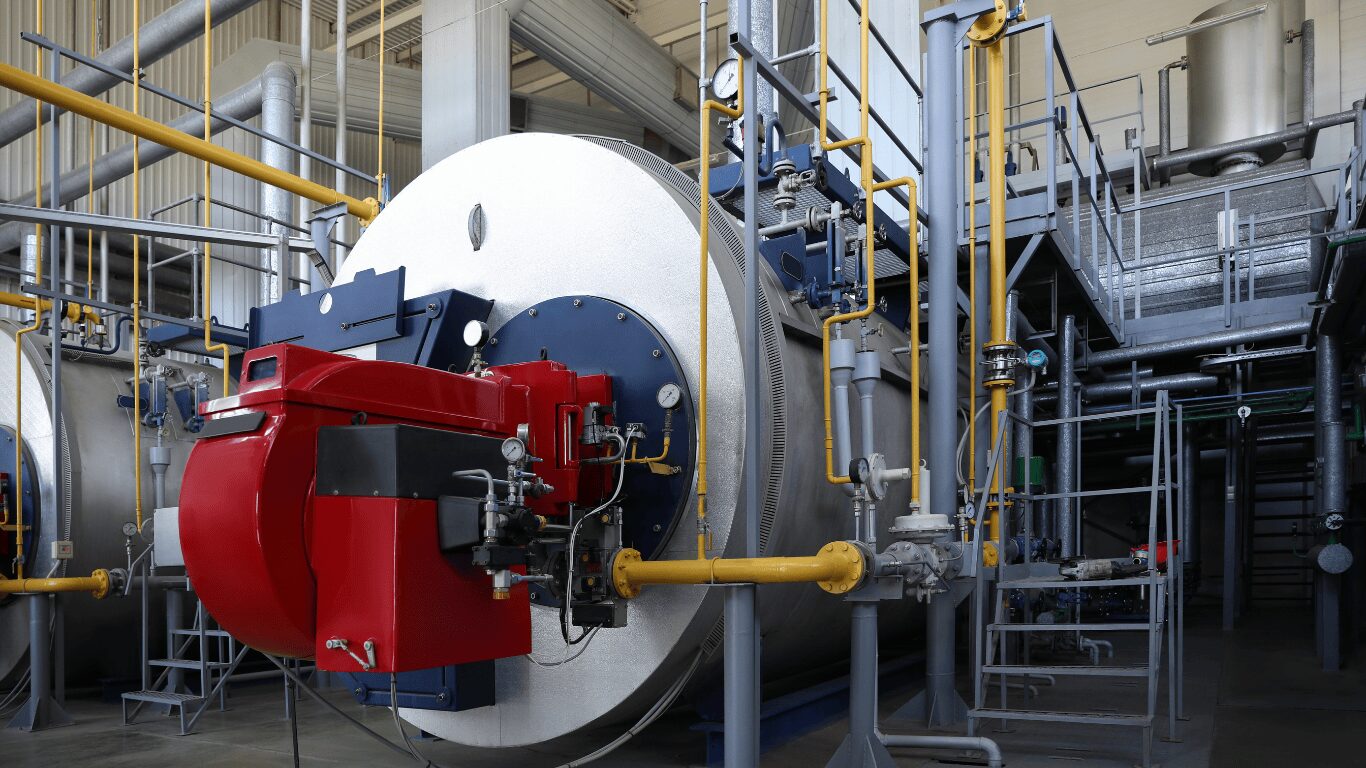
Industrial operations depend on consistent heat, steam, and system reliability. An industrial boiler plays a central role in keeping processes running smoothly, supporting both production and facility needs. That is where industrial boiler services come in. With the right approach, teams can maintain strong performance, protect safety, and keep daily operations stable without unexpected disruptions.
Understanding Industrial Boiler Systems
An industrial boiler supports a wide range of industries by generating steam and providing reliable heating for essential processes. In commercial and industrial settings, each boiler works as critical equipment that powers production, sanitation, and temperature control. You will often see an industrial boiler handling demanding loads where consistency matters most. When a boiler operates efficiently, it supports stable output, reduces strain on equipment, and helps facilities meet the needs of both industrial and commercial operations.
Why Routine Maintenance Matters
Routine maintenance keeps your boiler running at peak performance and helps prevent costly issues before they escalate. We often advise teams to stay consistent with maintenance schedules because small adjustments can protect critical components and improve overall efficiency. When systems run without proper care, problems build up and lead to unplanned downtime. Regular checks, cleaning, and tuning ensure stable operation, protect your investment, and keep your system aligned with daily operational demands.
Common Boiler Problems and Repairs
Most boiler issues start small, and operators usually notice them first in the boiler room. Inconsistent burner performance, leaking valves, or pressure fluctuations often signal the need for boiler repair. We recommend acting early. A quick inspection can prevent a minor repair from turning into a major shutdown. Delaying boiler repair often leads to more complex repair work, higher costs, and longer downtime, especially when key components begin to fail under stress.
Inspection, Safety, and Compliance Standards
Regular inspection plays a direct role in maintaining safety and meeting compliance requirements. Teams should schedule routine inspection checks to identify risks early and ensure systems operate within accepted limits. Working with certified technicians helps facilities align with National Board guidelines and uphold strict quality standards. This approach strengthens safety across the system and helps ensure that equipment continues to perform reliably under regulated conditions.
Installation, Upgrades, and New Technology
Proper installation sets the foundation for long-term boiler reliability and efficiency. When teams plan a new installation or upgrade existing systems, they should focus on integrating new technology that improves control and energy use. Modern technology allows equipment to operate with greater precision, helping facilities reduce waste and improve overall efficiency. We often see that a well-executed installation, combined with smart upgrades, delivers measurable gains in performance and long-term operational stability.
Emergency Support and Minimizing Downtime
Unexpected failures can disrupt operations quickly, which is why emergency services play a key role in boiler reliability. Fast response helps teams minimize downtime and restore safe conditions without delay. With the right support, facilities maintain minimal downtime even during critical issues. Strong response planning keeps operations steady and reduces the impact of sudden system interruptions.
The Value of a Full-Service Approach
A full range of services helps facilities manage boiler systems more effectively across their entire lifecycle. When a provider offers integrated services, teams gain faster access to solutions that keep operations stable. Fabrication capabilities and readily available boiler parts also reduce delays during critical repairs. A fully stocked inventory supports quicker turnaround, while coordinated solutions ensure every stage of maintenance and repair aligns with system demands.
Water Quality and Boiler Performance
Water quality directly influences boiler performance and long-term reliability. Poor quality water can lead to scale, corrosion, and reduced steam output, which affects overall system stability. Regular testing helps teams understand conditions inside the system and adjust treatment strategies early. Operators who focus on quality can protect critical components and extend equipment life. For deeper guidance, see our article on Boiler corrosion prevention strategies, along with Boiler water testing practices and Steam quality requirements.
Supporting Long-Term Operations and Reliability
Long-term reliability depends on continuous training and strong coordination between the team and technicians. When training is consistent, technicians respond faster and make more accurate decisions in the field. We often see that well-trained personnel strengthen daily operations and reduce repeat issues. This commitment to learning and teamwork helps maintain stable system performance over time.
Building a Reliable Boiler Service Strategy
Strong industrial boiler services start with a clear plan that aligns maintenance, repair, and operational goals. When a company takes time to understand its customers’ needs, it can deliver more effective solutions that improve reliability and system performance. We always encourage teams to review their current setup and identify gaps early.
Want to strengthen your approach? Contact R2J Chemical Services to discuss tailored solutions that support safer and more efficient operations.
Frequently Asked Questions (FAQs)
What is included in a commercial boiler repair service?
A commercial boiler repair typically covers inspection, diagnosis, parts replacement, and system testing. Technicians address leaks, burner issues, and valve problems to restore safe and stable operation quickly.
How often should a commercial boiler service be performed?
A commercial boiler service should be scheduled regularly based on usage and system load. Routine servicing helps maintain efficiency, reduce breakdowns, and support long-term reliability.
Are hot water boilers different from steam systems?
Hot water boilers operate at lower pressure and focus on heating applications, while steam systems support industrial processes that require higher energy transfer. Both require proper maintenance to ensure safe performance.
What is combustion tuning and why is it important?
Combustion tuning adjusts the fuel-to-air ratio in the burner to improve efficiency and reduce emissions. Proper tuning helps boilers run cleaner, safer, and more efficiently.
What types of boiler systems are commonly used in industrial facilities?
Facilities use different types of systems depending on demand, including fire-tube and water-tube models. These boilers power equipment in power houses and large commercial operations, often requiring support available 365 days a year.

 Edward Wehunt