Heat Exchanger Performance: Water Treatment Essentials
Nov 21, 2025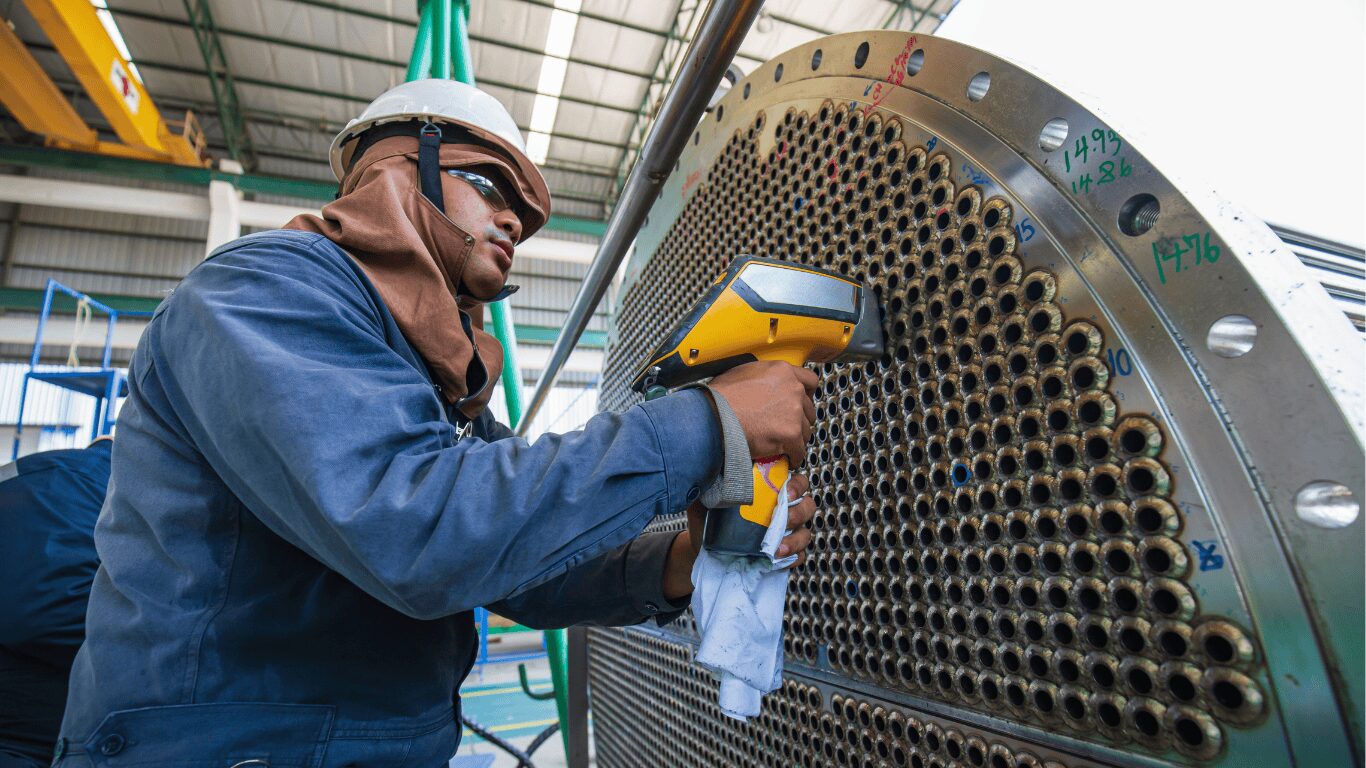
Most teams we talk to already know when something feels off with their system, especially when temperatures start drifting or equipment begins working harder than usual. That is often where the conversation about heat exchanger performance begins. A heat exchanger is one of those pieces of equipment that rarely gets attention until it starts slowing down production, wasting energy, or disrupting a process that depends on stable heat transfer. And because most facilities rely on multiple heat exchangers across different systems, even small performance losses can add up quickly.
In this guide, we want to walk you through the key ideas that help operators understand what is really happening inside their equipment. When you know what affects performance and how to catch early warning signs, you put your team in a stronger position to protect reliability and avoid costly surprises.
What Heat Exchangers Actually Do Inside an Industrial System
Whenever we walk operators through the basics, we remind them that a heat exchanger is simply a device built for heat exchange. Everything it does centers on transferring heat between two moving fluids, whether that is liquid, gas, or a mix of both. The goal is usually straightforward, which is to support controlled heating or cooling within a process.
Inside the unit, two separate streams move past each other. They never mix, but they share a metal surface. Because there are temperature differences between them, energy naturally shifts from the hotter side to the cooler side. When the system is clean and stable, this flow of heat feels almost effortless.
To make it even simpler, most heat exchangers depend on three things:
- two fluids moving at the right rate
- a clean surface that allows heat to pass freely
- enough temperature difference to drive the exchange
If any of these shifts even slightly, the equipment reacts. A change in flow, a layer of deposits, or a restriction inside the passages can reduce the effectiveness of both heating and cooling. This is usually the first step toward declining performance, long before a failure shows up.
Factors That Influence Heat Exchanger Performance
Whenever we help a team evaluate heat exchanger performance, we usually start by breaking the problem into a few core factors. These are the conditions that decide how efficiently heat moves through the exchanger and how long the equipment can operate without trouble. Most facilities see issues appear in one of the areas below.
1. Flow conditions
Operators often begin by checking flow rate and overall fluid flow. When circulation slows down, the system struggles with heat removal, and temperatures creep upward. If the rate pushes too high, you may feel elevated pressure drop across the tubes, or even spot vibration that was never there before. These small shifts usually show up before a major failure.
2. Air-side behavior
For units that rely on external air, like rooftop or outdoor systems, airflow becomes a major influence. A reduced air flow rate from fouled fins, worn fans, or debris changes how efficiently the exchanger cools. Teams often notice warmer outlet fluids long before they see the actual obstruction.
3. Fluid characteristics
The temperature, density, and thermal conductivity of the fluids directly affect how quickly energy can move through the system. A change in process fluids or seasonal conditions can alter performance more than operators expect. Even the material of the exchanger itself matters. Some materials carry heat extremely well, while others slow the transfer enough to impact output.
4. Fouling and internal resistance
Almost every plant deals with fouling at some point. Any layer of deposits adds resistance to heat flow. Operators tend to catch this early when temperature differences widen or pressure trends shift unexpectedly.
Understanding how these factors interact gives teams a clearer starting point for restoring stable operation.
Common Types of Heat Exchangers and How They Perform
Understanding the type of exchanger in your system is one of the first steps toward maintaining strong heat exchanger performance. Each design behaves differently, and knowing their characteristics helps teams anticipate common challenges and optimize operations.
1. Air cooled heat exchangers
These units rely on ambient air to remove heat from a fluid, often using fans to maintain airflow. They are popular in outdoor or industrial environments where water use is limited. Performance can drop if the air cooled heat exchanger becomes obstructed with debris, or if air flow rate fluctuates, reducing cooling efficiency.
2. Plate heat exchangers
Plate heat exchangers consist of stacked metal plates that separate fluids and maximize surface area for heat transfer. They are efficient for specific applications requiring compact units and high heat recovery. Challenges include fouling between plates or leaks at the gaskets, which can reduce overall performance if not addressed.
3. Shell-and-tube and other types
Exchangers like shell-and-tube units are widely used for high-capacity processes. They can be configured for counterflow, parallel flow, or same direction operation depending on the process needs. Each configuration affects the rate of heat exchange and overall efficiency. Choosing the right flow arrangement for your application helps balance energy use and operational reliability.
Understanding these differences allows operators to adjust maintenance schedules, monitor performance trends, and address issues before they become costly. Each type of exchanger has its strengths and weaknesses, and knowing them ensures your system delivers consistent heat transfer.
How Water Quality Affects Heat Exchanger Efficiency
Water quality is one of the most overlooked factors that affects heat exchanger efficiency. Many operators assume their systems will run optimally if the equipment is clean and flows are steady. In reality, fluids carry minerals, oxygen, and other impurities that can cause fouling or corrosion inside the unit. These issues create a layer of insulation over the heat transfer surfaces, reducing cooling or heating capacity and forcing the system to work harder to maintain the same output. Even small changes in specific heat or flow can magnify the effect, lowering high efficiency performance and increasing energy use.
Regular maintenance and monitoring are essential to prevent these problems. Teams often schedule inspections and cleaning to remove scale and deposits before they block fluid flow. Choosing the right coolant and controlling water chemistry helps limit corrosion and fouling over time. Consistent water treatment ensures your systems maintain high efficiency, prolongs the life of materials, and reduces unexpected downtime.
Water management is closely linked to overall system performance. Strategies like chemical treatment, filtration, and routine monitoring can dramatically improve heat removal and maintain stable temperatures. For facilities with cooling towers, integrating proper water treatment into your maintenance plan is critical. For example, following best practices in cooling tower maintenance and optimizing operation can enhance efficiency while preventing early degradation.
Additional guidance on improving operational results can be found in our cooling tower efficiency resources.
Diagnosing Performance Problems Before They Become Failures
Teams often catch early warning signs of declining heat exchanger performance by watching how the system behaves under normal conditions. A simple analysis of temperatures, pressure, and flow can reveal problems long before a major failure occurs. Operators can use the following approach to determine where issues may be hiding:
1. Monitor fluid and air flows
Check how fluid flow and air flows behave across the exchanger. Sudden drops or fluctuations can indicate blockages, fouling, or fan problems. A high pressure reading in the tubes may signal restricted flow, while unusually hotter outlet fluids often point to impaired heat transfer.
2. Inspect the operating environment
Exchangers exposed to dust, debris, or extreme environment conditions tend to degrade faster. Regular visual inspection, combined with checking pressure and temperature differences, helps identify early signs of wear or buildup before costs escalate.
3. Use cleaning and side-stream strategies
Scheduled cleaning maintains flow and prevents resistance from fouling layers. For water-side systems, implementing side-stream filtration or glycol-based solutions can keep fluids clean and consistent, reducing long-term costs while improving heat transfer. Learn more about these methods in our side-stream filtration guide.
4. Track trends over time
Documenting temperatures, pressure, and flow regularly makes it easier to figure out subtle changes before they become critical. Teams often catch early issues by noticing patterns rather than isolated readings.
By combining observation, simple analysis, and preventive care, operators can identify and address problems early, keeping systems running efficiently and avoiding expensive downtime.
Strengthening Your Facility’s Heat Exchanger Strategy
Achieving optimum performance from your heat exchangers requires a combination of careful planning, ongoing monitoring, and targeted interventions. Teams often start by assessing the specific needs of each process to determine which type of exchanger and installation setup will deliver consistent results. Matching the unit to the application ensures energy is used efficiently and reduces the risk of overworking equipment.
1. Maintain reliability through regular attention – Reliable operation depends on keeping systems clean, inspecting for fouling or corrosion, and addressing small issues before they escalate. Simple steps like monitoring waste heat recovery, checking flow consistency, and ensuring fans and pumps operate correctly can prevent major disruptions.
2. Optimize energy use and costs – Proper sizing, material selection, and routine maintenance directly impact energy efficiency. Operators should look for ways to capture and reuse waste heat where possible, and avoid overcooling or overheating processes. Even minor adjustments to flow or operational parameters can improve long-term performance.
3. Tailor solutions to your facility – Every system has its quirks, so strategies should adapt to the combination of processes, environmental conditions, and fluid properties. Keeping records of temperatures, pressure, and efficiency trends helps teams fine-tune operations for maximum output with minimal strain.
If you’re looking for guidance on maintaining and improving heat exchanger efficiency, connect with us. R2J’s services can help evaluate your systems, optimize performance, and extend equipment life while controlling operational costs.
Frequently Asked Questions (FAQs)
How does a heat exchanger actually transfer heat?
A heat exchanger moves energy by transferring heat between two fluids, gas, or liquid without mixing them. The efficiency of heat removal depends on flow rate, surface area of the tubes, and temperature differences between the streams.
What factors can affect cooling and heating performance?
Other factors include fouling, pressure drop, fan operation, fluid density, and the materials used, such as aluminum or copper. Even hot air or steam side conditions can influence overall efficiency. Proper cleaning and monitoring help maintain consistent performance.
How do flow direction and fan operation impact an exchanger?
Flow arrangements like counterflow, parallel, or same direction affect how effectively the unit transfers heat. Fans control airflow for air-cooled systems, and a malfunctioning motor can reduce cooling capacity.
What components should operators monitor regularly?
Key components include tubes, fans, pumps, and connections. Inspecting the installation, construction quality, and materials ensures the exchanger can handle high pressure and varying temperatures safely.
How can facilities determine if their system is running efficiently?
Operators use analysis and trend tracking to figure out if heat transfer, heating, or cooling is meeting specific needs. Monitoring energy use, steam, or gas flows, and checking cooled and heated fluids ensures the system remains efficient and reliable.

 Edward Wehunt