Efficient Cooling Tower Performance Guide
Oct 28, 2025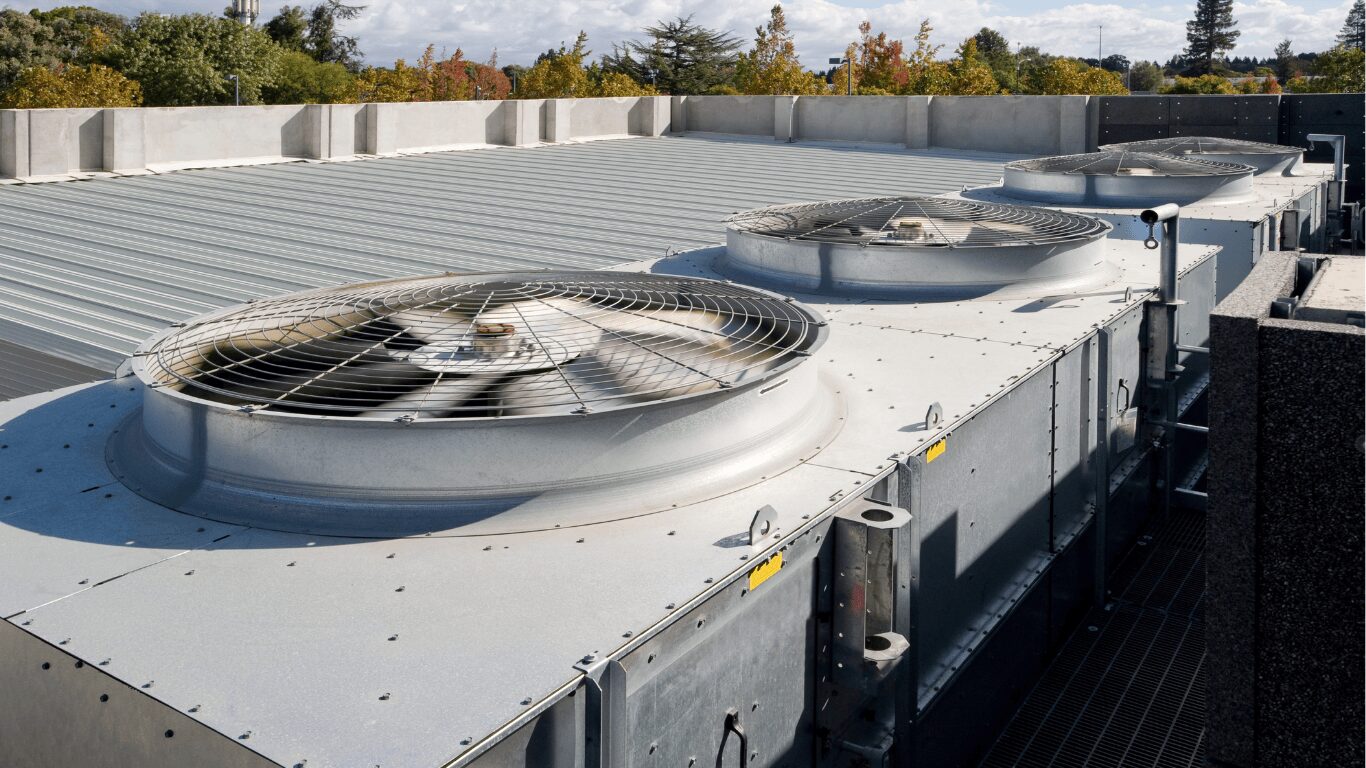
Cooling towers play a critical role in commercial and industrial facilities by removing excess heat and supporting stable system operation. An efficient cooling tower helps facilities reduce energy consumption, improve heat transfer, and protect equipment from premature wear. When cooling performance declines, facilities often experience higher utility costs, reduced reliability, and increased maintenance demands.
Many operators focus only on visible equipment issues, but cooling tower efficiency depends on several interconnected factors. Water chemistry, airflow, temperature control, and preventive maintenance all influence how effectively the system performs. Facilities that monitor these conditions consistently often achieve better operational stability and lower long-term costs.
This guide explains the key factors that affect cooling tower performance and outlines practical strategies that help facilities maintain efficient operation.
Understanding Cooling Tower Efficiency
Cooling tower efficiency measures how effectively the system transfers heat from circulating water into the atmosphere through evaporation. Operators typically evaluate efficiency by comparing the temperature of hot water entering the tower with the cooled water leaving the system.
The relationship between cooled water temperature and ambient wet bulb temperature also affects overall performance. The closer the cooled water temperature approaches the wet bulb temperature, the more efficient the tower becomes.
Efficient cooling tower operation benefits the entire facility because it:
- Reduces energy demand on chillers and pumps
- Improves heat transfer efficiency
- Lowers operational costs
- Supports consistent cooling capacity
- Extends equipment lifespan
- Minimizes unplanned downtime
Facilities that track system temperatures, airflow, and water quality often identify performance issues early before they develop into major operational problems.
Factors That Affect Efficient Cooling Tower Operation
Several environmental and operational conditions influence cooling tower performance. Understanding these factors helps facility teams improve reliability and maintain stable efficiency levels.
Ambient Wet Bulb Temperature
Wet bulb temperature represents the lowest temperature achievable through evaporative cooling. Since cooling towers rely on evaporation, outdoor weather conditions directly affect performance.
During periods of high humidity, evaporation slows and reduces cooling efficiency. Operators should monitor seasonal changes and adjust system settings to maintain stable operation.
Airflow and Ventilation
Consistent airflow allows the tower to remove heat effectively. Restricted airflow reduces evaporation and creates uneven cooling conditions across the tower.
Common airflow problems include:
- Dirty or blocked louvers
- Fan imbalance
- Damaged fill media
- Poor ventilation around the tower
- Mechanical fan issues
Routine inspection of fans and air intake areas helps maintain proper airflow and stable cooling performance.
Water Quality
Water quality has a direct impact on cooling tower efficiency. Poor water chemistry leads to scale buildup, corrosion, fouling, and microbial growth. These conditions reduce heat transfer and force equipment to consume more energy.
Mineral deposits act as insulation on heat exchange surfaces, making the system work harder to achieve target temperatures. Corrosion weakens system components and increases maintenance requirements.
Facilities that implement consistent treatment programs often improve both efficiency and equipment reliability. Proper monitoring also helps prevent biological growth such as biofilm, which can restrict heat transfer and water flow. Facilities managing microbial growth may benefit from reviewing strategies for biofilm control.
System Design and Operation
Cooling tower range and approach significantly influence performance.
- Tower range refers to the temperature difference between hot water entering and cooled water leaving the tower.
- Tower approach refers to the difference between cooled water temperature and wet bulb temperature.
Operators should maintain balanced water flow, stable fan operation, and clean internal components to support optimal heat rejection. Facilities looking to improve overall thermal performance can also explore strategies related to heat rejection.
Water Treatment and Cooling Tower Efficiency
Water treatment remains one of the most important factors in maintaining an efficient cooling tower. Without proper treatment, contaminants quickly reduce performance and increase operating costs.
Scaling and Fouling Prevention
Scaling develops when dissolved minerals precipitate onto equipment surfaces. Even thin mineral deposits reduce heat transfer efficiency and increase energy demand.
Fouling also creates operational problems by restricting water flow and reducing system capacity. Facilities commonly encounter fouling from:
- Suspended solids
- Organic contamination
- Biological growth
- Corrosion byproducts
Maintaining proper water chemistry helps minimize these risks and supports long-term equipment performance.
Corrosion Control
Corrosion damages piping, heat exchangers, pumps, and tower components. Poor corrosion control often leads to leaks, reduced efficiency, and expensive repairs.
Facilities should monitor:
- pH levels
- Conductivity
- Dissolved oxygen
- Chemical balance
- Cycles of concentration
Regular testing helps operators identify changing conditions before corrosion accelerates.
Blowdown and Cycles of Concentration
Blowdown removes concentrated minerals and impurities from the cooling tower system. Proper cycle management balances water conservation with scale prevention.
If cycles remain too high, mineral concentration increases and scaling risk rises. If cycles remain too low, facilities waste water and treatment chemicals unnecessarily.
Facilities that optimize cycles often improve water efficiency while maintaining stable cooling performance. Additional guidance on system balancing and water conservation is available in this article on cooling tower cycles of concentration and control.
Mechanical Maintenance for Efficient Cooling Tower Performance
Mechanical reliability directly affects cooling tower efficiency. Even well-treated systems lose performance when equipment operates improperly.
Fan Maintenance
Fans drive the airflow necessary for evaporation and heat transfer. Worn belts, damaged blades, or motor issues reduce airflow and increase energy consumption.
Operators should inspect:
- Fan blades
- Bearings
- Motors
- Vibration levels
- Belt alignment
Routine inspection helps maintain consistent airflow and prevents mechanical failure.
Drift Eliminators
Drift eliminators reduce water loss by preventing droplets from escaping the tower. Damaged or dirty eliminators increase water waste and reduce operational efficiency.
Regular cleaning and inspection support both water conservation and environmental compliance.
Pumps and Valves
Pumps must maintain proper flow rates throughout the cooling system. Reduced flow affects heat transfer and creates unstable operating conditions.
Facility teams should routinely inspect:
- Pump performance
- Valve operation
- Pressure conditions
- Flow consistency
- Leaks and seal integrity
Early detection of flow issues helps prevent larger operational disruptions.
Strategies to Improve Efficient Cooling Tower Operation
Facilities often improve cooling tower efficiency through operational adjustments rather than major equipment replacement.
Some of the most effective strategies include:
- Maintain proper water chemistry through regular testing and treatment adjustments
- Monitor temperature trends to identify declining performance early
- Clean fill media and airflow pathways regularly
- Inspect fans, pumps, and motors for wear or imbalance
- Optimize blowdown rates and cycles of concentration
- Adjust fan speeds based on cooling demand and ambient conditions
- Prevent biofilm, scale, and corrosion buildup
- Use automation systems for more consistent operational control
Many facilities also improve efficiency through automated monitoring and chemical feed management. Automated systems help operators maintain stable conditions while reducing manual oversight.
R2J Chemical Services Cooling Tower Solutions
Maintaining an efficient cooling tower requires consistent attention to water quality, mechanical reliability, and operational performance. R2J Chemical Services works with commercial and industrial facilities to develop customized treatment and maintenance strategies that support long-term system efficiency.
Our services include:
- Cooling tower water treatment
- Corrosion and scale prevention
- Chemical feed system support
- Preventive maintenance guidance
- Performance monitoring
- Water quality analysis
- Operational optimization
Need support improving cooling system performance? R2J Chemical Services can help develop a customized solution tailored to your operational requirements. Our team works closely with facility managers and maintenance personnel to improve water quality, reduce equipment strain, and support long-term energy efficiency. Contact us today to learn how a proactive cooling tower program can help protect your equipment, reduce downtime, and keep your system operating at peak performance.
Frequently Asked Questions (FAQ)
What makes a cooling tower more efficient?
An efficient cooling tower maintains proper airflow, balanced water chemistry, clean heat transfer surfaces, and stable operating temperatures. Regular maintenance and monitoring also improve overall system performance.
Why does scale reduce cooling tower efficiency?
Scale creates insulation on heat exchange surfaces, which restricts heat transfer and forces the system to consume more energy to achieve cooling targets.
How often should cooling tower water quality be tested?
Most facilities benefit from regular water testing and monthly inspections. High-demand systems may require more frequent monitoring to maintain stable chemistry and prevent operational problems.
Does airflow affect cooling tower performance?
Yes. Proper airflow supports evaporation and heat transfer. Restricted airflow reduces cooling capacity and increases system energy consumption.
Can water treatment lower cooling tower operating costs?
Yes. Effective water treatment helps prevent scale, corrosion, and fouling, which improves heat transfer efficiency and reduces maintenance and energy costs.

 Tim Lane