Commercial Water Softener Installation Guide
Feb 11, 2026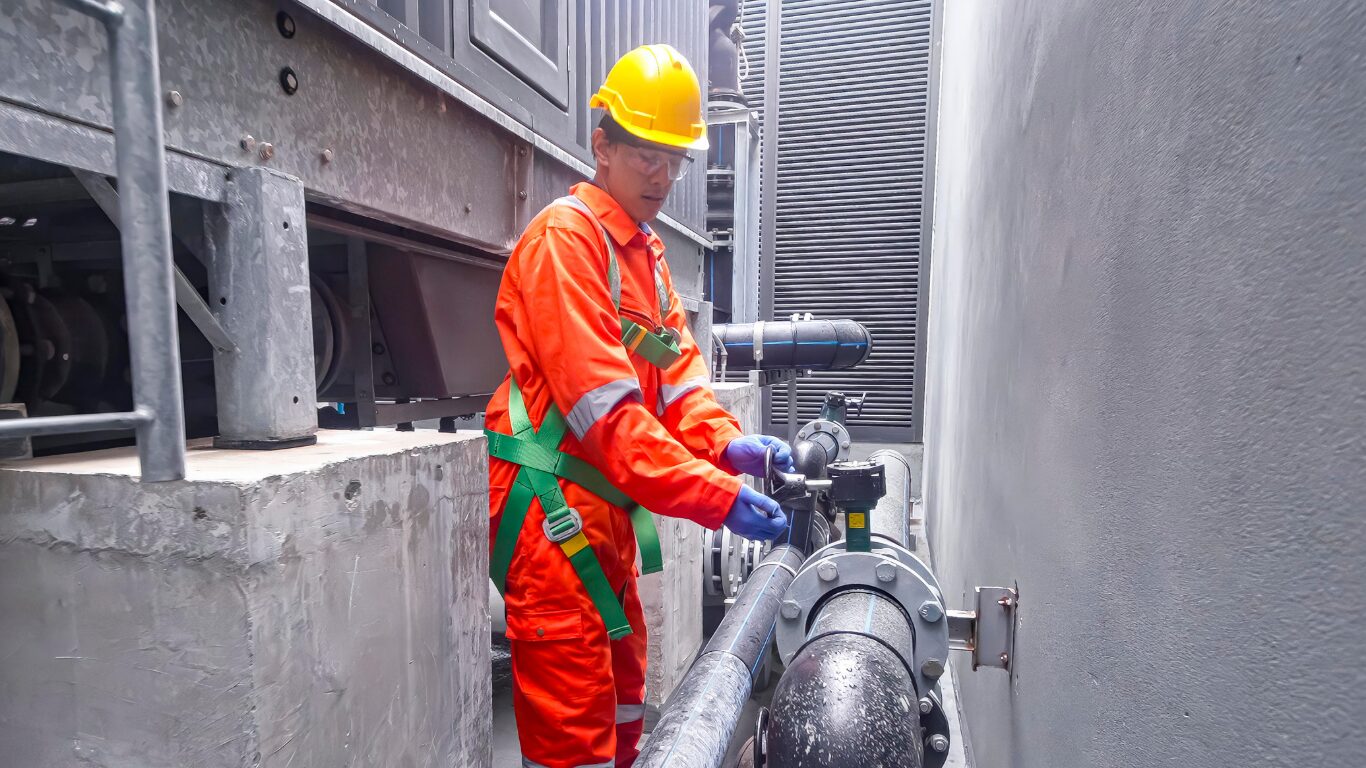
Installing a commercial water softener system is more than just a plumbing upgrade. In facilities with high water usage, hard water can cause scale buildup, reduce equipment efficiency, and drive up operating costs. That’s why commercial water softener installation is a critical step for maintaining smooth operations. From boilers to cooling towers, manufacturing plants, and car washes, soft water protects pipes, heat exchangers, and other sensitive equipment.
As someone who has overseen countless installations, we’ve seen firsthand how a well-designed water softener system improves water quality, extends equipment life, and reduces maintenance headaches. Planning and executing the installation properly ensures your facility runs efficiently and avoids common pitfalls that many operators encounter.
Understanding Hard Water in Commercial Settings
Hard water contains high levels of minerals, mainly calcium and magnesium, that can accumulate inside pipes, boilers, heat exchangers, and cooling towers. Over time, these minerals create scale buildup that reduces heat transfer efficiency, clogs plumbing, and increases energy and operating costs. Facilities that ignore hard water issues often face frequent maintenance and shorter equipment lifespans.
Installing a water softening system addresses these problems by removing hardness minerals and improving water quality throughout the facility. Softened commercial water flows more freely, protects sensitive equipment, and helps teams maintain consistent operations. Operators often catch early issues by monitoring water hardness and scheduling timely maintenance. For more signs your system may need attention, see Signs Commercial Water Filtration System Needs Upgrade.
Benefits of Installing a Commercial Water Softener
A properly installed commercial water softening system delivers more than just mineral-free water. One of the biggest advantages is improved energy efficiency. Soft water reduces scale buildup in boilers, heat exchangers, and cooling towers, allowing heat transfer to occur more effectively and lowering operating costs.
Maintenance also becomes easier. Pipes and equipment stay cleaner, minimizing repairs and downtime, while extending the life of pumps, valves, and tanks. Facilities that implement softening consistently notice smoother performance in water systems across the building, from manufacturing lines to car washes.
Softened commercial water also enhances overall facility operations. Teams spend less time addressing hard water issues and more time focusing on productivity. For examples of water treatment strategies in large facilities, check out Hotel Water Treatment.
Types of Commercial Water Softener Systems
Commercial facilities can choose from several commercial water softener system designs depending on water usage, space, and operational needs. The most common setups include single tank systems, twin alternating systems, and continuous soft water systems. Single tanks are straightforward and cost-effective for moderate usage, while twin alternating systems provide uninterrupted soft water by cycling between tanks during regeneration. Continuous soft water systems deliver a steady flow for high-demand applications, ensuring no downtime.
Resin tanks are the heart of these systems, holding the ion-exchange resin that removes hardness minerals from the water. Paired with a brine tank, they allow automatic regeneration and maintain soft water quality over time.
Facilities often weigh industrial water softener units against standard commercial units. Industrial models handle larger volumes and higher flow rates, while commercial units are suitable for businesses like hotels, car washes, or smaller manufacturing plants. Selecting the right design ensures efficient operation and long-lasting performance.
For more details on choosing the right system, see Commercial Water Softeners.
Key Considerations Before Installation
Before starting a commercial water softener installation, it’s essential to assess your facility’s unique requirements. Begin by testing water hardness levels to understand how much scale your system needs to prevent. Monitoring the flow rate ensures the softener can handle peak demand without reducing water pressure.
Next, evaluate overall water consumption and the reliability of your water supply. Facilities with fluctuating demand or multiple entry points may need larger or more sophisticated systems. Space constraints, plumbing layout, and ease of access should guide the placement of tanks and piping.
Finally, check system design against local regulations to ensure code compliance. Correct planning avoids installation delays, ensures optimal performance, and protects your investment over time. Operators often see the best results when all variables are mapped before purchasing equipment.
Step-by-Step Commercial Water Softener Installation
A successful commercial water softener installation starts with selecting the right unit for your facility’s flow rate and water usage. Location matters. Choose a spot with easy access to the plumbing, space for resin tanks and a brine tank, and room for maintenance.
Once positioned, connect the system to the main water line, ensuring proper pipe sizing and secure fittings. Install the resin and brine tanks, and set up any auxiliary components like a bypass valve or filters to allow uninterrupted operation during maintenance. Operators often find labeling valves and connections during installation prevents confusion later.
After installation, conduct thorough water testing to confirm hardness removal and system performance. Adjust regeneration cycles or flow settings as needed to optimize efficiency. Following these steps carefully reduces scale buildup, protects equipment, and ensures reliable operation. For automated monitoring and control options, see Water Treatment Automation.
Maintenance Tips for Long-Term Performance
Proper maintenance is key to keeping a commercial water softener system running efficiently. Start by checking the brine tank regularly and replenishing salt to ensure consistent regeneration. Inspect resin periodically for signs of fouling or channeling, which can reduce softening effectiveness.
Operators should watch for early signs of scale buildup on plumbing, valves, and heat exchangers. Addressing issues early prevents costly repairs and maintains energy efficiency. Monitoring water hardness at regular intervals helps confirm that the system is performing as expected.
Routine checks of flow rates and system settings also ensure the unit continues to meet facility demand without interruptions. Following a consistent maintenance schedule extends equipment life, maintains high water quality, and keeps operations running smoothly.
Applications Across Industries
Commercial water softeners play a crucial role across multiple industrial applications. In food processing plants, softened water prevents scale buildup on boilers and heat exchangers, helping maintain strict sanitation standards. Car washes benefit from streak-free drying and reduced detergent usage, while manufacturing plants see longer equipment life and fewer production interruptions.
Cooling towers also rely on soft water to avoid mineral deposits that reduce efficiency and increase operating costs. Implementing a water softener system across these settings not only reduces downtime but also improves overall water system performance, protecting pipes, tanks, and pumps.
Operators often notice measurable energy savings and lower maintenance demands after installing a commercial water softener. For environmentally conscious facilities, integrating softening with broader conservation strategies can make a big difference. Learn more about combining softening with eco-friendly solutions at Sustainable Water Treatment.
Common Installation Challenges and How to Avoid Them
Even experienced teams encounter challenges during a commercial water softener installation. Space constraints often limit placement options, while incorrect sizing or improper selection of commercial units can reduce system efficiency. Poor plumbing connections or overlooked flow rate requirements may cause uneven softening or pressure drops.
Insufficient water testing is another common issue. Operators sometimes underestimate hardness levels, which can strain the system and affect overall water treatment system performance.
The best way to avoid these problems is careful planning and professional guidance. Ensuring proper sizing, verifying water quality, and following manufacturer recommendations helps the system operate reliably, prevents early failures, and maximizes the lifespan of tanks, resin, and brine components.
R2J’s Expertise in Commercial Water Softeners
At R2J, we bring years of experience helping businesses implement reliable commercial water softener systems. Our team provides personalized consultation, guiding operators through system selection, installation planning, and ongoing support. We understand the challenges facilities face with hard water, scale buildup, and equipment maintenance, and we tailor solutions to meet each client’s unique needs.
Upgrading an existing system or installing a new unit is simpler with our experts on hand. Your facility benefits from optimized water quality, reduced operating costs, and long-term performance across all water systems. Contact R2J today to discuss how we can help protect your equipment and keep operations running smoothly.
Frequently Asked Questions (FAQs)
What is the difference between an industrial water softener and a residential softener?
Industrial water softeners are designed to handle high-volume water systems and frequent usage in industrial systems, while residential softeners manage smaller flows for homes. Industrial units often include larger resin tanks, brine tanks, and filters to treat water efficiently at scale.
How do hard water minerals affect equipment and water quality?
Hard water minerals like calcium and magnesium create scale buildup, reducing heat transfer, clogging pipes, and shortening the life of boilers, cooling towers, and industrial water softener systems. Removing these minerals with a proper water softener preserves equipment and improves overall water treatment efficiency.
How do sodium ions and salt work in a water softener?
Softening relies on ion exchange, where sodium ions from salt replace hardness minerals. Proper professional installation ensures the right dosage for your water source and usage in gallons, keeping water quality consistent.
Can freezing temperatures impact a water softener system?
Yes, extreme cold can damage tanks, plumbing, and construction materials. Insulating the system or placing it in a climate-controlled area protects the engineered components.
How do I determine the right water softener for my facility?
Consider water hardness, flow rate, total water consumption, and system demands. Choosing a unit with appropriately sized filters, tanks, and regeneration capacity balances cost with efficiency for long-term performance.

 Tony Toscano