Chlorine Injection Pumps for Precise Dosing
Mar 13, 2026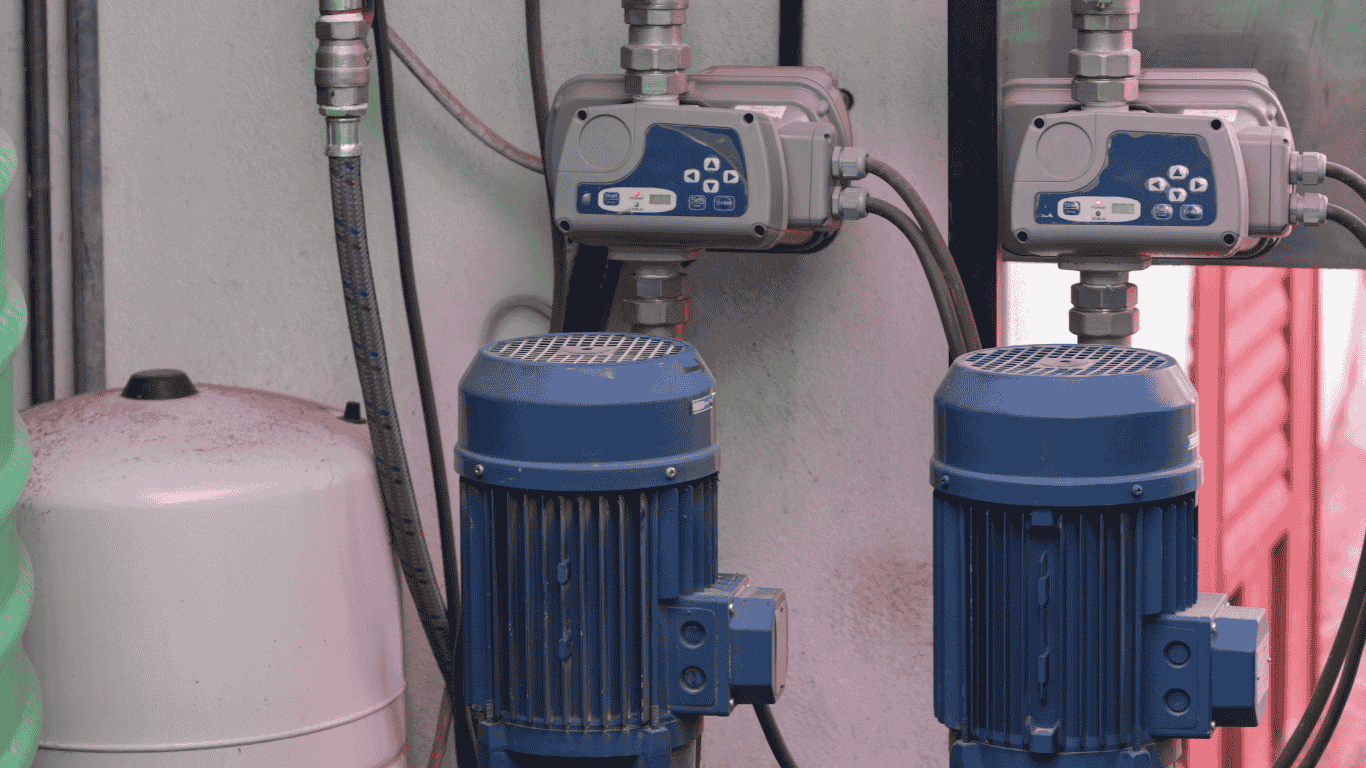
Chlorine injection pumps play a critical role in modern water treatment systems. These pumps ensure that chlorine is delivered consistently and accurately into water lines, supporting effective disinfection and maintaining clean water for industrial, commercial, and municipal applications. Proper chlorine injection not only helps control bacteria and other contaminants but also optimizes chemical usage, reduces waste, and protects your water systems. Understanding how a chlorine injection pump works is essential for achieving precise dosing and reliable water treatment results.
What is a Chlorine Injection Pump?
A chlorine injection pump is a specialized dosing pump designed to introduce precise amounts of chlorine into water systems. This equipment ensures consistent water disinfection while minimizing chemical waste.
Common types include peristaltic metering pumps, which use flexible tubing to move chemicals, and chemical injection pumps that rely on motor-driven mechanisms for accurate delivery. Operators often select a pump based on system flow and required chlorine levels. For a deeper look at complete setups, see our guide on chlorine injection systems.
How Chlorine Injection Pumps Work
Chlorine injection pumps work by delivering a controlled amount of chlorine directly into water lines, maintaining consistent disinfection throughout the system. The pump regulates flow rate and pressure to match the demands of the water system, ensuring the chemical mixes thoroughly without over- or under-dosing. Accurate dosing is critical to prevent bacterial growth while avoiding chemical waste or corrosion. Operators monitor water flow and adjust the pump settings as needed to maintain optimal chlorine levels for safe, reliable water treatment.
Applications in Water Treatment
Chlorine injection pumps serve a wide range of water treatment applications, from boilers and cooling towers to industrial water systems and potable water supplies. They help control bacteria, maintain clean water, and oxidize iron and manganese for easier removal.
In systems with well water, chlorine injection also reduces hydrogen sulfide levels, improving water quality and odor. These pumps support both small and large-scale industrial applications, offering precise control over chemical dosing. Learn more about effective setups in our guide on water treatment technologies.
Advantages of Using Chlorine Injection Pumps
Using a chlorine injection pump offers several key advantages for water systems. Precise chlorine dosing ensures that the right amount of chemical is delivered consistently, minimizing chemical wastage and reducing operating costs. Properly maintained pumps help maintain optimal chlorine levels, providing reliable water disinfection and protecting against bacteria and other contaminants. This consistent dosing also improves overall system performance, supporting smoother operation of boilers, cooling towers, and industrial water systems. Operators often find that precise control leads to cleaner water and longer equipment life, enhancing efficiency across the facility.
Key Components and Features
A chlorine injection pump consists of several essential components that ensure reliable operation. The pump head moves chlorine through the system, while the motor provides the necessary power for consistent flow. Tubing or hose connects the pump to the water line, allowing chemical transfer without leaks. Control mechanisms regulate dosing rates and pressure, ensuring accurate delivery for each system. Many pumps offer customizable solutions, allowing operators to adjust settings for different equipment and water systems. Proper selection and maintenance of these components keep the system running efficiently and safely.
Installation and Maintenance Tips
Proper installation is key to maximizing a chlorine injection pump’s performance. Position the pump correctly in the water line, often near retention tanks, to ensure thorough mixing and consistent dosing. Operators should perform routine inspections, refill chemicals as needed, and check tubing or hoses for wear.
Monitoring flow and pump operation helps identify leaks, blockages, or inconsistencies before they impact water quality. Regular maintenance also extends equipment life and prevents system downtime. For guidance on keeping lines clean, see our article on pipe flushing.
Safety and Compliance Considerations
Safety is essential when working with chlorine injection pumps. Operators should always wear appropriate PPE and follow proper handling procedures to minimize risk. Chlorine must be stored securely to prevent accidental exposure or leaks. Maintaining the correct dosing levels helps control bacteria while ensuring clean water throughout the system. Facilities must also comply with local and national regulations for potable water treatment, including monitoring chlorine concentrations and documenting operations. Prioritizing safety and compliance protects both personnel and water quality.
Choosing the Right Pump for Your System
Selecting the right chlorine injection pump starts with understanding your system’s water flow, pressure, and application, whether it’s a cooling tower, boiler, or potable water supply. Peristaltic metering pumps use flexible tubing for gentle, precise dosing, while chemical metering pumps rely on motor-driven mechanisms for higher-pressure applications. Evaluating flow rate requirements and the nature of your industrial processes helps determine the most suitable pump. Choosing the correct pump ensures efficient chlorine injection, consistent water treatment, and minimal chemical waste across the system.
Optimizing Chlorine Injection for Maximum Efficiency
Maximizing the efficiency of a chlorine injection pump begins with careful calibration to achieve precise dosing. Operators should regularly monitor chlorine levels and adjust settings to ensure accurate dosing that meets water treatment requirements. Tracking chemical usage helps reduce waste and lower operational costs while maintaining safe, clean water. Integrating these practices into routine maintenance supports consistent water quality and system performance. Adopting smart water treatment solutions allows facilities to optimize dosing, protect equipment, and maintain compliance with regulatory standards.
Common Challenges and Troubleshooting
Operators often encounter challenges such as tube wear, pump cavitation, or chemical corrosion when using chlorine injection pumps. Dirt and sediment in the water line can accelerate these issues, reducing equipment lifespan and affecting dosing accuracy. Regular inspection of tubing, hoses, and pump components helps catch early signs of wear. Implementing proper cleaning, flushing, and maintenance methods extends pump life and ensures consistent performance. Addressing these challenges proactively keeps your water system reliable and prevents costly downtime.
Integrating Chlorine Pumps in Automated Systems
Integrating chlorine injection pumps into automated water treatment systems enhances control and efficiency, especially in large facilities. Automation allows operators to monitor dosing remotely, reducing human error and minimizing chemical wastage.
Smart control systems adjust flow and chlorine levels in real time, ensuring consistent water quality across the system. These solutions are ideal for industrial applications where precision and reliability are critical. Learn more about modern automation strategies in our guide on water treatment automation.
Future Trends and Sustainable Practices
The future of chlorine injection pumps focuses on sustainable practices and reducing chemical wastage. Facilities are adopting eco-friendly chemicals and smart dosing technologies that adjust chlorine levels automatically based on system demand. Customizable solutions allow operators to tailor pumps for specific water systems, improving efficiency while protecting the environment. By integrating these approaches, facilities can maintain clean, safe water, lower operational costs, and support long-term sustainability goals without compromising system performance.
Maintaining Effective Chlorine Injection
Chlorine injection pumps are essential for maintaining water quality and ensuring safe, reliable water treatment. Operators should focus on proper installation, routine monitoring, and consistent maintenance to achieve precise chlorine dosing and protect system performance. Regular inspections and calibration help prevent chemical wastage, corrosion, and operational issues.
Taking these steps ensures clean water for industrial, commercial, and potable applications. Prevent bacteria growth, corrosion, and operational issues in your water system. Reach out to R2J for guidance on implementing effective chlorine injection solutions.
Frequently Asked Questions (FAQs)
What is a chlorine injection system and why is it important?
A chlorine injection system uses pumps to deliver precise chlorine doses into water systems. It ensures consistent water treatment, controlling bacteria, iron, manganese, and hydrogen sulfide for clean, safe water.
How do chemical injection pumps and dosing pumps differ?
Chemical injection pumps often handle high-pressure industrial processes, while dosing pumps provide accurate, smaller-volume chlorine injection. Both reduce chemical wastage and support optimal performance in water treatment solutions.
Where are chlorine pumps commonly used?
They are used in boilers, cooling towers, well water systems, retention tanks, and other water systems requiring precise dosing and safe disinfection.
How do operators maintain accurate dosing and system flow?
Regular monitoring of water flow, flow rate, pressure, and pump operation prevents dirt buildup, tube wear, or sediment problems, ensuring precise dosing and efficient chemical injection.
What steps minimize chemical wastage and support sustainable water treatment?
Using customizable solutions, proper pump calibration, and routine inspection of tubing and retention tanks reduces chemical wastage and supports sustainable water treatment practices.

 Nick Planin