Chlorine Dioxide for Mildew Control
Sep 03, 2026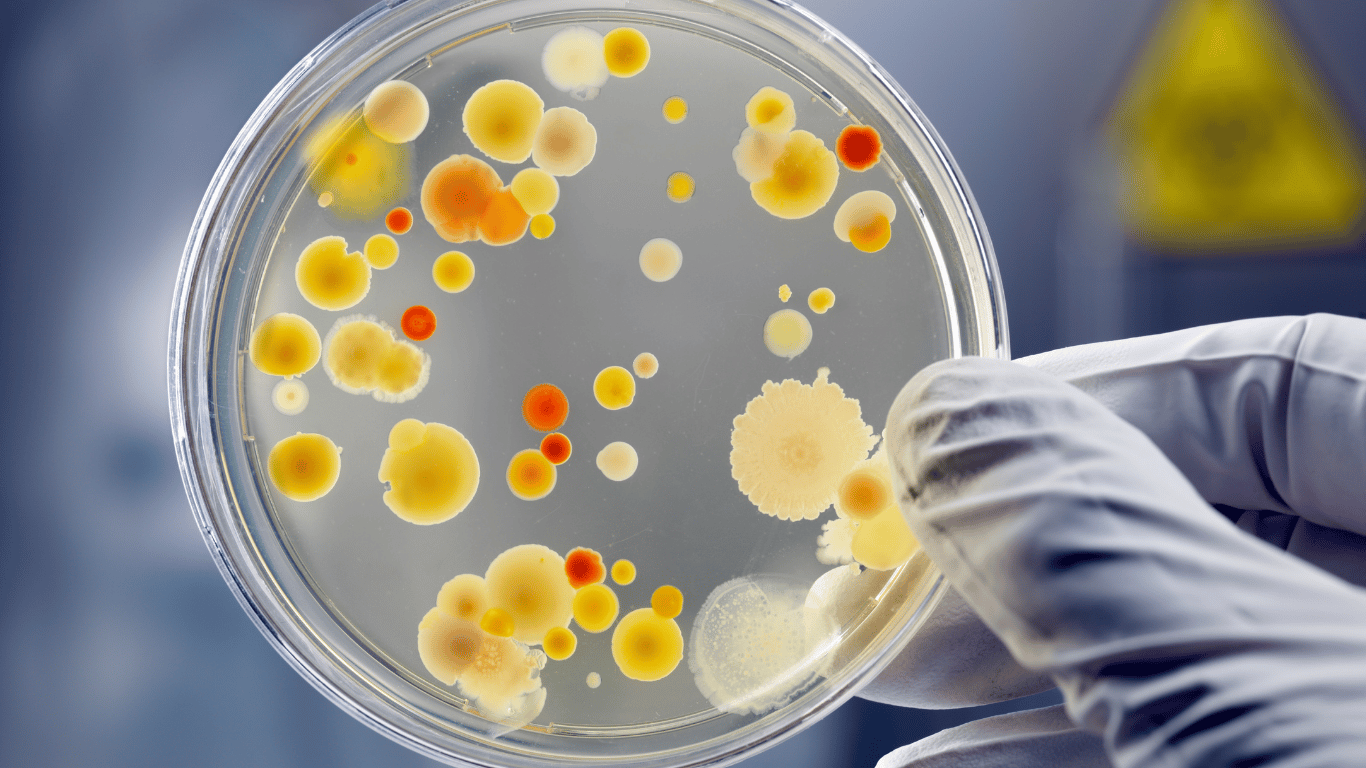
Mildew and mold can become persistent problems when moisture, poor ventilation, and organic materials create the right environment for growth. For facilities dealing with contamination in difficult-to-reach areas, chlorine dioxide mildew treatment has gained attention as a potential control approach. Chlorine dioxide works as a strong oxidizing agent that can target microorganisms and odors in controlled applications.
However, effective treatment requires more than simply applying a chemical solution. Teams need to understand where chlorine dioxide fits into mold control, how gas treatment works, and what safety measures the environment requires. A practical approach also addresses the moisture source so mold does not return.
What Is Chlorine Dioxide and How Does It Work?
Chlorine dioxide is a chemical compound made of one chlorine atom and two oxygen atoms. It acts as a powerful oxidizing agent, which means it can react with and disrupt important components of microorganisms. At the molecular level, this reaction can damage the structures that microbes and other organisms need to survive.
Its strong oxidation properties make chlorine dioxide useful as a biocide and disinfectant in controlled applications. Facilities use it in water treatment, while specialized applications can introduce it as a gas or gaseous form to reach areas that conventional surface disinfectants cannot easily contact. Unlike some traditional disinfectants, chlorine dioxide does not simply rely on coating a surface. It reacts with targeted compounds, making it useful for controlling certain microorganisms and odors.
For facilities exploring chlorine dioxide mildew treatment, understanding this chemistry matters. The treatment approach, concentration, contact time, and application environment all influence results. You can also learn more about this chemistry and its broader applications in our guide to chlorine dioxide sterilization.
How Chlorine Dioxide Targets Mold and Mildew
Mold and mildew reproduce through spores, including mold spores that can spread through the air and settle on surfaces. Chlorine dioxide specifically can inactivate these microorganisms through oxidation, disrupting cellular structures at the molecular level. This action can help limit mold growth and address contamination beyond what teams can see during a routine inspection.
Research on Chaetomium globosum (C. globosum) demonstrates the potential of chlorine dioxide gas against fungal spores. One study reported about 99% inactivation of C. globosum ascospores under tested conditions, while another reported 100% inactivation at a chlorine dioxide gas concentration of 1,000 ppm. These results come from specific controlled tests, so facilities should not treat them as guaranteed performance in every environment.
A chlorine dioxide gas treatment can also reach enclosed or difficult-to-access areas where manual cleaning may struggle. This makes chlorine dioxide gas sterilization a specialized option for certain remediation projects, particularly when visible mold does not tell the whole story. Proper application still requires controlled conditions, appropriate concentration, and professional oversight.
Where Chlorine Dioxide Can Help With Mold Problems
Some mold problems extend beyond the surfaces teams can easily reach. In libraries, archives, and other indoor environments, chlorine dioxide gas has attracted attention because it can move into enclosed spaces and difficult-to-access areas. The University of Oklahoma Libraries, for example, has used chlorine dioxide for mold control since 1991, demonstrating its long history in specialized library applications.
This approach can prove useful when contamination affects areas such as walls, HVAC ducts, and other parts of a building that require careful treatment. However, building materials still need individual consideration. Materials such as drywall, wood, and carpets can retain moisture and contamination, so professional mold remediation may require cleaning or replacing affected materials rather than relying on gas alone. Gaseous treatment can also support odor removal, including persistent musty odors, when professionals select and manage the treatment appropriately. For that reason, teams should view chlorine dioxide as one tool within a broader mold remediation strategy.
Chlorine Dioxide Gas vs. Traditional Mold Cleaning
Chlorine dioxide gas offers a different approach from conventional surface cleaning. A bleach solution, such as sodium hypochlorite, works directly on treated surfaces, making physical cleaning practical for accessible areas. Unlike bleach, gaseous chlorine dioxide can reach enclosed spaces that workers cannot easily scrub, but that does not make it a replacement for physical removal.
Teams should first determine whether contamination affects porous or nonporous materials. Nonporous surfaces may respond well to appropriate cleaning and disinfection, while porous materials can retain moisture and contamination. Drywall, carpets, and other absorbent materials may require removal or replacement when contamination runs deep. Gas treatment can complement these steps, especially when access limits conventional cleaning.
Chlorine dioxide may also help remove odors rather than simply covering them with masking agents. Still, facilities should avoid assuming that stronger harsh chemicals produce better results. A complete strategy combines source control, physical removal, cleaning, and appropriate disinfection. For a broader look at microbial control, see our guide to biofilm control.
Safety Considerations for Chlorine Dioxide Gas Treatment
Safety should come first when a facility considers chlorine dioxide gas treatment. At elevated concentrations, chlorine dioxide can create serious health hazards, particularly for human health and the respiratory system. Exposure can irritate the nose, throat, and lungs and may contribute to respiratory issues. Direct contact can also cause skin irritation, while uncontrolled fumes or gas can quickly create an unsafe environment.
Teams need to control the treatment area, monitor concentration, restrict access, and provide adequate ventilation before allowing people to re-enter. OSHA recommends an exposure limit of 0.1 ppm for chlorine dioxide over an eight-hour workday. Appropriate personal protective equipment and monitoring procedures also help protect workers during preparation and treatment.
Facilities should also consider the equipment inside the treatment area. High concentrations can have corrosive effects on metals and may damage sensitive electronics. EPA accepts chlorine dioxide for certain water-treatment applications, but that does not automatically mean every gaseous environmental application carries the same regulatory approval. Teams should verify the applicable requirements for their specific use. For that reason, controlled application, professional planning, and careful monitoring remain essential whenever chlorine dioxide gas enters an occupied or enclosed environment.
Why Moisture Control Still Matters After Treatment
Treating active mold contamination does not remove the moisture source that caused the problem. High humidity, leaks, and water intrusion can continue supporting microbial growth, allowing mold or mildew to return after treatment. That makes moisture control an essential part of long-term remediation and prevention.
Teams should identify and correct the source before or alongside treatment. Check ventilation, monitor indoor air and humidity levels, repair leaks, and inspect affected areas for materials that need cleaning or replacement. Porous materials can hold moisture even when surfaces appear dry, so material replacement may sometimes provide the better solution.
A strong remediation plan looks beyond the immediate contamination. It addresses the moisture conditions within the environment so treatment delivers lasting results. For broader guidance on developing efficient treatment strategies, see our guide to sustainable water treatment.
A Practical Approach to Chlorine Dioxide Mildew Control
A reliable chlorine dioxide mildew strategy starts with the conditions that support contamination. First, identify and correct the moisture source, then inspect the affected area and test when appropriate. Review the test results to determine the extent of contamination and whether physical cleaning or material replacement makes sense. Next, evaluate whether chlorine dioxide treatment fits the environment and establish the required concentration, contact time, ventilation, and safety controls.
After treatment, verify the results and continue monitoring for moisture or renewed microbial growth. This step-by-step approach helps teams use chlorine dioxide as part of a broader remediation and control program rather than treating it as a standalone solution. Need help evaluating the right approach for your facility? Contact R2J Chemical Services to discuss a treatment strategy suited to your environment and operational needs.
Frequently Asked Questions (FAQ)
Can chlorine dioxide gas kill mold spores?
Yes. Under controlled conditions, chlorine dioxide gas can inactivate mold spores and other microorganisms. Studies have also examined its effectiveness against bacterial spores. Actual treatment effectiveness depends on concentration, contact time, temperature, humidity, and the specific mold present.
Is chlorine dioxide safer than bleach for mold removal?
Chlorine dioxide and bleach, or sodium hypochlorite, have different properties and applications. Neither should be considered universally safer. Improper exposure to either can create health hazards, so teams should follow the appropriate safety procedures and avoid unnecessary contact that could cause skin irritation.
Can chlorine dioxide remove musty odors as well as mold?
Chlorine dioxide can support odor removal and help remove odors associated with microbial contamination. It can address the source rather than simply covering the smell with masking agents. For more information, see our guide to chlorine dioxide odor control.
Can chlorine dioxide treatment replace professional mold remediation?
No. Professional mold remediation may require physical removal or replacement of contaminated building materials. Visible mold on drywall and carpets can require cleaning or removal alongside treatment.
Does chlorine dioxide work for mold in every environment?
No. Results depend on the environment, humidity, contamination level, and treatment conditions. Water intrusion must also be corrected. Teams should evaluate each application carefully, and further research can help refine gaseous treatment and microbial control practices.

 Ed Sobolewski