Chlorine Dioxide Odor Control Applications
Aug 28, 2026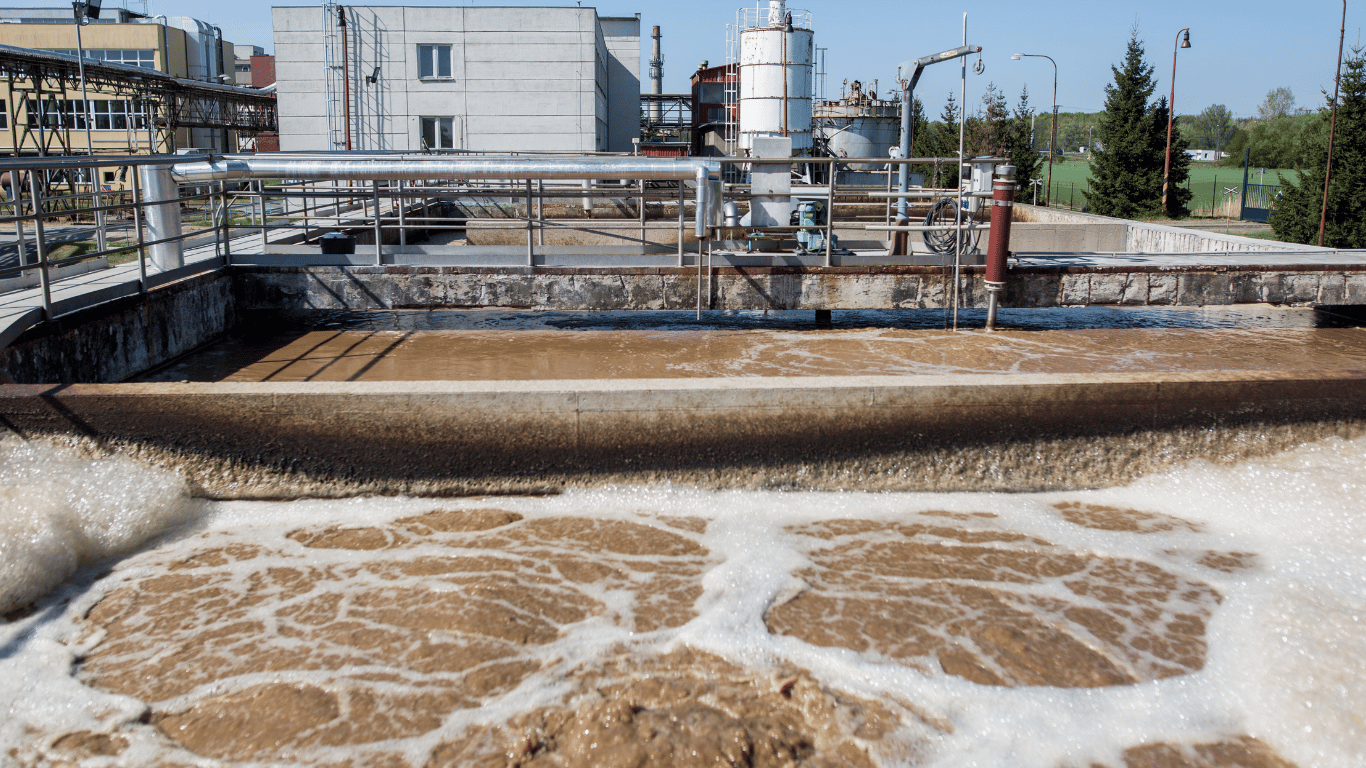
Persistent odors can be difficult to address when they come from organic compounds, microbial activity, or contamination that continues to affect the surrounding environment. Chlorine dioxide odor control offers an oxidation-based approach that targets the compounds responsible for unwanted smells instead of simply covering them with another scent. This makes it a useful option for situations where conventional odor removal methods may not fully address the source.
For facility teams, understanding how chlorine dioxide works can help guide better odor management decisions. The treatment can react with odor causing molecules and certain microorganisms, helping reduce unpleasant odors in appropriate applications. The right approach still depends on the source of the smell, the treatment environment, and the conditions required for effective results.
How Chlorine Dioxide Controls Odors
Chlorine dioxide acts as a strong oxidizing agent that reacts with compounds responsible for unwanted smells. During chlorine dioxide odor control, the chemical targets odor molecules and changes their chemical structure, helping transform odorous compounds into less noticeable or odorless substances. This oxidation process also allows chlorine dioxide to react with certain microorganisms that can contribute to persistent odors. As a result, the treatment focuses on the compounds creating the smell rather than simply changing how the surrounding air smells.
That distinction matters when you compare chlorine dioxide with conventional odor removal products. Unlike air fresheners, which typically add a fragrance to mask odors, chlorine dioxide works through chemical oxidation. Masking agents can make a room smell different without addressing the original source, while an appropriate chlorine dioxide treatment can help eliminate odors at the compound level. Air fresheners and other odor remover products may still have a place in routine odor management, but they do not provide the same oxidation-based approach as chlorine dioxide odor treatment.
What Makes Chlorine Dioxide Effective for Difficult Odors?
Some odors prove difficult to remove because they originate from more than one source. Organic odors from food, urine, or waste can persist alongside smoke, cigarette smoke, pet odors, mold, and mildew. Bacteria and other microorganisms can also contribute to unpleasant smells as they interact with organic material. Chlorine dioxide can support odor removal by oxidizing compounds associated with these sources, including certain volatile organic compounds, rather than simply covering the smell with fragrance.
The treatment can also reach odors that remain trapped in fabrics, porous materials, and other hard-to-access areas. That makes chlorine dioxide useful for situations where a lingering smell remains after routine cleaning. However, results depend on the odor source and treatment conditions. Concentration, contact time, temperature, humidity, the affected material, and the overall treatment protocol all influence performance. Teams should identify and address the underlying source, especially when moisture, mold, bacteria, or accumulated organic material continues to generate odors.
Where Chlorine Dioxide Odor Control Can Be Used
Chlorine dioxide odor control can support odor management across different commercial and facility environments when teams select the treatment method for the specific source and conditions. Water treatment and wastewater applications can use chlorine dioxide to address foul smells associated with organic compounds and microbial activity. Facilities may also consider treatment for storage areas, hotel rooms, locker rooms, and other enclosed spaces affected by persistent odors from smoke, mold, food, or other contaminants. Vehicle applications can address difficult odors in a car, particularly when smells remain in upholstery or other hard-to-clean areas.
The delivery method also matters. Chlorine dioxide gas can move through enclosed spaces and reach areas that conventional surface cleaning may miss, while dissolved chlorine dioxide suits specific water treatment applications. Teams should not assume the same odor eliminator approach works everywhere. A treatment that helps remove bad odors from a vehicle may not suit a water system, wastewater environment, or crawl spaces. The amount of treatment required also depends on the space, materials, odor source, and product directions. For vehicles, teams should also consider contaminants trapped in upholstery or water inside the vehicle before treatment.
Chlorine Dioxide for Water-Related Odors
Water can develop unpleasant odors when organic compounds, microbial activity, or other contaminants affect its quality. In these situations, chlorine dioxide can support odor control by oxidizing compounds associated with unwanted smells. EPA guidance recognizes chlorine dioxide as an oxidizing agent that can help control taste and odor in drinking water, while also providing disinfectant action against certain microorganisms. Proper application can therefore address odor causing molecules while supporting broader water treatment objectives.
The treatment still requires careful control. Operators should establish the appropriate chlorine dioxide dose, monitor residual levels, and account for reaction products such as chlorite and chlorate, particularly in drinking-water applications. The treatment approach should match the water chemistry, system design, and applicable requirements. If you want to better understand how this chemistry applies to water systems, our guide to chlorine dioxide solution provides additional information on its use in water treatment.
Chlorine Dioxide Odor Control and Microbial Sources
Odors often point to an underlying condition rather than an isolated smell. Bacteria can break down organic buildup and generate organic odors, while biofilm, wastewater conditions, mold, and mildew can create persistent bad smells in water systems and facility environments. Chlorine dioxide can support odor treatment through oxidation and antimicrobial activity, helping eliminate compounds and microorganisms that contribute to the chlorine dioxide odor problem.
Still, odor treatment should not replace source control. If moisture, contamination, organic material, or biofilm remains in the system, the smell can return after treatment. Facility teams should identify the conditions that allow microbial growth and address them as part of a broader treatment strategy. Our guide to biofilm control explains how controlling biofilm can help facilities manage microbial buildup and maintain better water system conditions.
Safety Considerations for Chlorine Dioxide Treatment
Safety should remain a priority whenever chlorine dioxide gas enters an odor treatment process. Chlorine dioxide can irritate the eyes, skin, and respiratory tract, and harmful concentrations can develop quickly after a release. Never inhale chlorine dioxide gas or allow people to remain inside a treatment area during gas applications. Teams should follow the specific product label, establish appropriate exclusion controls, and monitor gas concentrations when the treatment requires it.
Ventilation also plays an important role before anyone reenters the treated space. Operators should ventilate and aerate the area according to the product directions and confirm that chlorine dioxide levels meet the applicable reentry requirements. Do not rely on the chlorine smell or another odor as a safety indicator. EPA documentation notes that chlorine dioxide has a pungent odor, but exposure controls should rely on appropriate monitoring rather than human senses.
Finally, use the PPE and respiratory protection specified for the application. An N95 does not provide protection against chlorine dioxide gas because it filters particles rather than gases. Some EPA-registered chlorine dioxide applications specify respirators designed for chlorine dioxide gas or supplied-air protection under defined conditions. Treatment duration, ventilation, and reentry requirements can vary, so teams should follow the applicable safety guidelines instead of assuming that a treatment will clear within a few hours or that simply opening windows will make the air safe. Some applications may leave a fine residue, so operators should also follow the product directions for post-treatment cleanup.
Choosing the Right Odor Treatment Strategy
Chlorine dioxide should not automatically become the first choice for every smell. Start by identifying the odor source and checking for moisture, microbial growth, organic buildup, smoke, or other contributing conditions. Teams should also consider ventilation, the affected materials, and the treatment environment before selecting an odor eliminator. This approach helps facilities address the cause instead of applying chemicals simply because an odor is noticeable.
Different methods serve different purposes. Baking soda and vinegar may help with certain routine household odors, while an air freshener can provide a temporary fragrance that helps mask odors. A deodorizer may offer another option for localized odor management. An ozone machine uses a different oxidation process and requires its own exposure controls. Professional chlorine dioxide treatment can offer a more targeted option for appropriate applications, but teams should always evaluate the source and select a method that supports a safe, effective, and fresh environment.
Building a More Effective Odor Control Program
A consistent odor control program starts with finding the source rather than treating the smell alone. First, identify whether bacteria, mold, moisture, smoke, or organic material contributes to the problem. Then select a chlorine dioxide treatment method that fits the environment and follow the applicable product directions and safety guidelines. Teams should also control exposure throughout treatment and keep personnel away from areas undergoing gas treatment.
After treatment, ventilate the area as directed and verify safe conditions before allowing people to reenter. Most importantly, address the underlying source so the odor does not return. Facilities that manage odor issues alongside broader water system concerns can benefit from a documented water treatment plan that establishes treatment objectives, monitoring practices, and corrective actions.
Expert Guidance for Odor Control
Persistent odors rarely require a simple deodorizer alone. A stronger approach starts with understanding where the smell originates, what compounds or microorganisms contribute to it, and how the treatment environment affects the process. Facility teams should consider the surrounding materials, ventilation, moisture, water chemistry, and applicable safety requirements before choosing an odor control strategy. This helps ensure the treatment addresses the underlying problem rather than temporarily changing the scent.
Need help evaluating a difficult odor problem or selecting an appropriate treatment strategy? Contact us. R2J Chemical Services can help you assess the conditions and determine practical next steps. Talk with our team about your facility’s water treatment and odor control needs, and we can help you develop an approach that supports effective treatment, responsible chemical use, and safer operating conditions.
Frequently Asked Questions (FAQ)
Can chlorine dioxide eliminate pet and cigarette smoke odors?
Chlorine dioxide can help eliminate odors from pet waste, cigarette smoke, and other organic sources by reacting with odor molecules. Treatment can reach odors retained in fabrics and porous materials, but results depend on the odor source, treatment conditions, and the extent of contamination. Teams should also remove the source when possible to prevent a lingering smell from returning.
Does chlorine dioxide leave a strong chlorine smell or residue?
Chlorine dioxide has a distinct odor, but it differs chemically from chlorine and household bleach. Treatment can require ventilation before reentry, and teams should follow the applicable product directions for managing any residue left after treatment. Never use smell alone to determine whether an area is safe for occupancy.
Can chlorine dioxide treat mold and mildew odors?
Chlorine dioxide can help address odors associated with mold and mildew, but odor treatment does not replace moisture control or physical remediation. Teams should correct leaks, humidity, and contamination sources, including in enclosed areas such as crawl spaces, before treating persistent odors.
How does chlorine dioxide work compared with air fresheners?
Unlike air fresheners, chlorine dioxide works through oxidation rather than simply adding fragrance to mask odors. An odor remover or deodorizer may help manage surface-level smells, while chlorine dioxide can target certain odor-causing compounds and microorganisms. Proper ventilation still remains important for maintaining fresh air after treatment.
Is chlorine dioxide gas safe to breathe during odor treatment?
No. Concentrated chlorine dioxide gas and vapors can create serious respiratory safety concerns. Keep people out of treatment areas, follow the product’s safety guidelines, and use the required monitoring, ventilation, PPE, and respiratory protection procedures. Never intentionally inhale the gas or assume that normal air is safe without following the specified reentry requirements.

 Ed Sobolewski