Ammonia Stripping Processes for Wastewater Treatment
Aug 06, 2026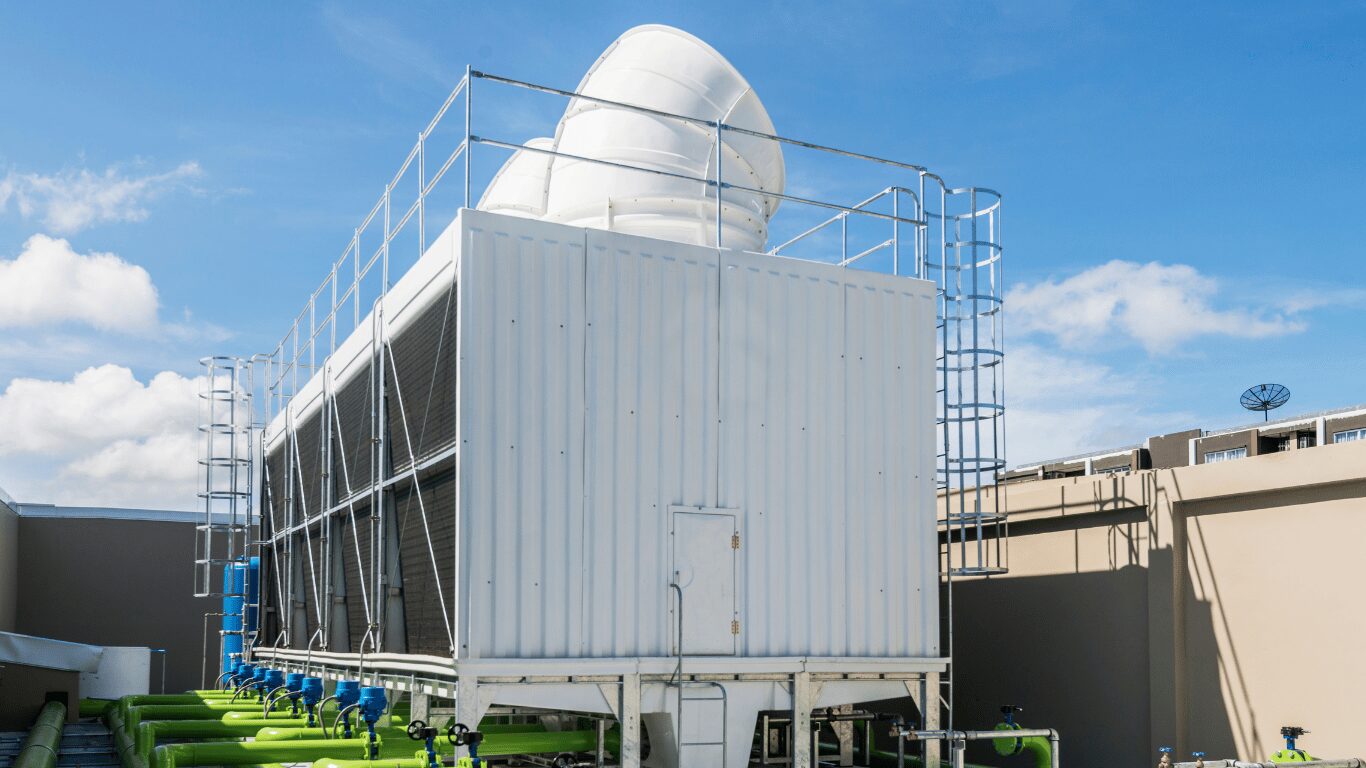
Industrial facilities must manage ammonia carefully because excessive levels can harm aquatic ecosystems and prevent compliance with wastewater treatment regulations. Ammonia stripping offers a practical way to reduce ammonia before discharge or water reuse. When operators understand how the process works and the factors that influence its performance, they can improve treatment efficiency, support regulatory compliance, and make better decisions for long-term system operation.
What Is Ammonia Stripping?
Ammonia stripping is a physical stripping process that removes dissolved ammonia from water by transferring it from the liquid phase into the gas phase. The ammonia stripping process relies on mass transfer, allowing ammonia gas to leave the water when operating conditions favor its release. Many industrial facilities use this method to reduce ammonia levels before discharge or as part of a broader treatment strategy.
The chemistry behind the process is straightforward but important. In an aqueous solution, ammonia exists in equilibrium as ammonium ions and free ammonia. These two forms constantly shift depending on the pH and temperature of the water. Higher pH levels, especially above 9.4, convert ammonia from ammonium ions into free ammonia, increasing the ammonia fraction available for removal. Warmer temperatures also encourage ammonia to move more readily from water into the air, improving mass transfer.
Understanding this balance helps operators choose the right operating conditions. Teams that monitor pH and temperature consistently can improve removal performance while reducing unnecessary chemical use and operating costs. These adjustments often make the difference between acceptable treatment results and consistently meeting discharge requirements.
How the Ammonia Stripping Process Works
An ammonia stripper removes dissolved ammonia by bringing the liquid and gas phases into close contact inside a stripping tower, also called a stripper column. Most systems use packed media that creates a large surface area, allowing ammonia to move from wastewater into an upward-moving air stream or steam through mass transfer. This transfer mechanism forms the foundation of effective ammonia removal.
In an air stripping system, wastewater enters from the top of an air stripping column while an air supply flows upward from the bottom. This counter-current flow maximizes contact time and encourages free ammonia to transfer into the gas phase. The treated water exits from the bottom, while the ammonia-rich air leaves from the top for proper handling. Many air strippers operate under ambient conditions, making them a practical option for treating large wastewater volumes with moderate ammonia levels.
Some facilities use steam stripping when higher ammonia concentrations require greater removal efficiency. Steam adds heat, increasing ammonia volatility and improving mass transfer under demanding operating conditions. Operators should also match the flow rate with the tower design, packing material, and air or steam volume. These adjustments improve stripping efficiency, keep the process stable, and support consistent treatment performance.
Air Stripping vs. Steam Stripping
Both the air stripping process and steam stripping remove ammonia effectively, but each method performs best under different conditions. The right choice depends on ammonia concentrations, treatment goals, operating costs, and the characteristics of the industrial wastewater. Understanding these differences helps facilities select a process that delivers dependable results without unnecessary operating expenses.
The air stripping process typically uses ambient air as its primary energy source, making it more economical for treating large volumes of wastewater with moderate ammonia levels. Since it does not rely on significant heat input, operating costs are generally lower than steam-based systems. Many industrial facilities choose this approach because it provides reliable ammonia removal while maintaining good removal efficiency when pH, airflow, and tower design are properly controlled.
Steam stripping becomes the preferred option when wastewater contains high ammonia concentrations or when facilities need faster, more aggressive treatment. Steam raises the temperature, increasing ammonia volatility and improving mass transfer, which often results in higher removal efficiency than air-based systems. Although it consumes more energy and usually has higher operating costs, it can be the better investment for demanding industrial wastewater treatment applications where stricter discharge limits or ammonia recovery objectives justify the additional energy use.
Factors That Affect Ammonia Removal Performance
Several factors determine how well the ammonia stripping process performs. Among them, high pH has the greatest influence because it shifts more total ammonia into free ammonia, which is much easier to remove. Most systems achieve the best results when the pH value exceeds 9.4. Temperature also plays a major role. Warmer conditions increase ammonia volatility and improve mass transfer, while colder water can reduce removal performance. Operators should also balance the air-to-water ratio and the liquid-to-gas ratio to maximize contact and improve overall efficiency.
Water quality also affects long-term performance. High levels of dissolved solids and other contaminants can cause scaling inside the stripping tower, reducing airflow and limiting contact between the liquid and gas phases. Facilities often increase chemical demand to maintain the proper pH, so regular monitoring helps avoid unnecessary chemical use while keeping treatment costs under control. For a deeper look at pH adjustment and treatment chemistry, read our guide on pH control in water treatment.
Operators should routinely monitor flow rate, pH, temperature, and other operating conditions to keep the system performing consistently. Under well-controlled conditions, ammonia stripping commonly treats wastewater with ammonia concentrations between 20 and 100 mg/L and can achieve removal efficiencies of up to 77.3%, depending on system design and operating parameters.
Where Ammonia Stripping Fits in Industrial Water Treatment
Ammonia stripping often serves as one step in a complete treatment train rather than a standalone solution. Many industrial facilities use it before biological treatment, polishing processes, or final discharge to reduce ammonia levels and improve nitrogen removal. It is especially effective for high-strength wastewaters from landfill leachate, anaerobic digestion sidestreams, fertilizer manufacturing, food processing, and other operations where contaminated water contains elevated ammonia. Many facilities also evaluate ammonia stripping alongside other treatment methods to improve overall performance. Learn more in our guide to water treatment technologies.
After ammonia removal, the treated water may continue through additional systems that target remaining pollutants, suspended solids, or dissolved contaminants before reuse or release. Operators should also manage air emissions from the stripping process to support environmental compliance and protect nearby areas, including groundwater resources where applicable.
Facilities pursuing long-term sustainability often integrate ammonia removal with broader reuse programs. Our guide on industrial water reuse explains how combining treatment processes can reduce freshwater demand while producing water that is properly treated for its next intended use.
Building a Reliable Ammonia Management Strategy
Successful ammonia stripping systems depend on consistent monitoring and proactive maintenance. We recommend tracking pH, temperature, flow rate, scaling, and air emissions because even small changes can affect treatment performance. Keeping the process as a controlled process helps maintain reliable ammonia removal while reducing unnecessary chemical use and operating costs. In some applications, facilities can also support ammonia recovery by capturing stripped ammonia with acid scrubbing to recover ammonia as ammonium sulfate, creating value instead of releasing it. Although this approach is not necessary for every site, it can make economic sense where ammonia concentrations are high enough to recover virtually all ammonia efficiently.
If your facility manages high-ammonia wastewater, R2J Chemical Services can help. Our team assess your operating conditions, recommend practical treatment strategies, and help you choose an ammonia stripping solution that supports compliance, improves performance, and aligns with your long-term water management goals.
Frequently Asked Questions (FAQ)
How do operators know if ammonia stripping is performing efficiently?
Operators should routinely measure total ammonia before and after treatment to verify system performance. They should also monitor flow rate, pH, temperature, and airflow because these operating conditions directly affect removal efficiency. Regular testing and inspections help identify changes early, allowing operators to make adjustments before performance declines.
Can ammonia stripping replace biological treatment?
Not always. Ammonia stripping works well for reducing high ammonia levels, but many facilities still rely on biological treatment to remove additional pollutants and complete nitrogen removal. In many industrial wastewater treatment systems, operators combine both methods to achieve discharge limits more consistently while optimizing operating costs.
Why is pH adjustment necessary before ammonia stripping?
pH adjustment increases the amount of free ammonia available for removal. Maintaining a high pH, typically above 9.4, helps convert ammonia from its dissolved ammonium form into free ammonia gas. This chemical shift improves stripping performance and allows the system to remove ammonia more efficiently.
Can ammonia stripping recover useful products?
Yes. Some facilities integrate ammonia recovery with acid scrubbing to recover ammonia as ammonium sulfate, a product commonly used as a fertilizer. Although this approach requires additional equipment, it can offset treatment costs when wastewater contains sufficiently high ammonia concentrations.
What industries benefit most from ammonia stripping?
Many industrial facilities use ammonia stripping to treat contaminated water with elevated ammonia levels. Common applications include landfill leachate, anaerobic digestion sidestreams, fertilizer manufacturing, food processing, chemical production, and other industries that generate high-strength wastewater before discharge or reuse.

 Nick Planin