Zero Discharge Water Treatment for Industrial Water Reuse
Jul 31, 2026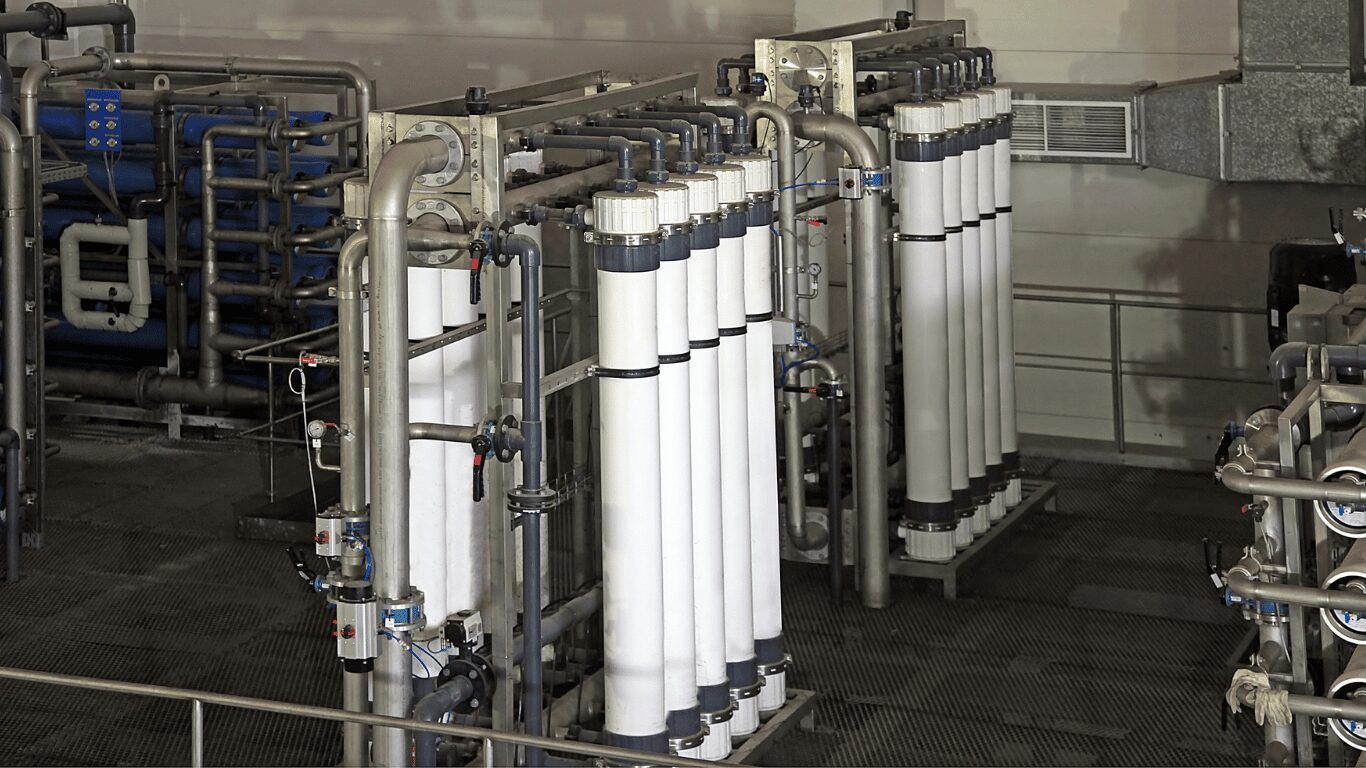
Industrial operations depend on reliable water treatment to keep production running, but they also generate industrial wastewater that requires responsible management. As environmental regulations become stricter and water scarcity affects more regions, many facilities are rethinking how they handle wastewater.
One approach gaining attention is zero discharge water treatment, which focuses on reducing zero discharge goals while recovering more water for reuse. Instead of viewing wastewater as something to discard, more organizations now see it as a resource that supports better wastewater management, improved sustainability, and long-term operational efficiency.
What Is Zero Discharge Water Treatment?
Zero discharge water treatment is an approach that helps industrial facilities recover and reuse as much water as possible while preventing liquid discharge from leaving the site. In many cases, people also refer to this strategy as zero liquid discharge or zero liquid discharge ZLD. Unlike conventional treatment methods that clean a wastewater stream before releasing it into a sewer or nearby waterway, a ZLD approach aims to eliminate wastewater discharge altogether. Instead, the system treats the water, recovers it for reuse, and converts the remaining contaminants into manageable solids. The ultimate goal is to achieve zero liquid waste, helping facilities reduce their reliance on freshwater while supporting more sustainable operations.
More industries are adopting zero discharge water treatment because environmental expectations continue to evolve, and water has become an increasingly valuable resource. Facilities that produce large volumes of liquid waste often face rising disposal costs, tighter discharge regulations, and greater pressure to conserve water. Rather than treating wastewater as a byproduct, operators can view it as an opportunity to recover water for industrial use and reduce their environmental footprint. This approach supports long-term operational resilience, especially for facilities in water-stressed regions or industries where reliable water supplies are essential for daily production.
How a Zero Liquid Discharge System Works
A zero liquid discharge system combines several treatment processes to recover clean water while concentrating contaminants for final disposal or resource recovery. Although every facility has different water quality and production needs, the typical ZLD process follows the same general sequence:
- Pretreatment removes suspended solids and adjusts water chemistry to protect downstream equipment.
- Membrane filtration uses membrane processes and advanced membrane technology to separate impurities.
- Reverse osmosis concentrates dissolved contaminants while producing high-quality treated water. Many facilities use a dedicated reverse osmosis system as the primary recovery step.
- Thermal evaporation further concentrates the concentrated brine after membrane treatment.
- A crystallizer converts the remaining liquid into dry crystals or other forms of solid waste.
- The recovered water returns to plant operations, supporting reusing water and reducing freshwater demand.
Reverse osmosis and membrane filtration play a major role in improving water recovery before thermal treatment begins. If you’d like a closer look at how these systems work, explore our guide to membrane filtration water treatment. Modern systems often recover 95–99% water, depending on the wastewater characteristics and treatment design. Newer membrane materials resist fouling more effectively, allowing facilities to maintain higher performance while reducing maintenance demands. This combination of membrane separation and concentration significantly lowers the volume that moves into the final treatment stages.
The last stage focuses on recovering as much water as possible from the concentrated stream. Thermal technologies, including thermal evaporation, remove additional water before a crystallizer separates valuable salts from the remaining solids. Some facilities use selective crystallization to recover high-purity materials that can be reused or sold instead of discarded. Many modern systems also incorporate Mechanical Vapor Recompression, which captures and reuses vapor energy to reduce energy consumption. Engineers increasingly integrate waste heat recovery into these systems as well, helping offset operating costs while making ZLD more practical for a wider range of industrial applications.
Where Zero Liquid Discharge Is Used
Many industrial facilities benefit from Zero Liquid Discharge because they rely on large volumes of water and generate complex wastewater that requires careful management. Power plants, chemical manufacturing facilities, mining operations, food processing plants, and pharmaceutical manufacturers often adopt ZLD to reduce freshwater consumption and limit the environmental impact of their operations. These industrial processes produce a wastewater stream with varying levels of salts, minerals, and other contaminants that make conventional treatment and disposal more challenging. Recovering water instead of discharging it helps these facilities improve operational efficiency while meeting increasingly strict environmental requirements.
ZLD also plays an important role in the oil and gas industry, particularly for produced water treatment and steam assisted gravity drainage operations, where water reuse can significantly reduce demand for new water supplies. Many process plants view ZLD as a long-term investment because it supports reliable production while reducing wastewater disposal and improving water security. Facilities operating in regions with limited water availability often see even greater value, since recovering and reusing process water helps maintain operations without placing additional pressure on local water resources.
Benefits and Challenges of Zero Discharge
The biggest advantage of Zero Liquid Discharge is its ability to recover up to 98–99% of water for reuse, helping facilities reduce their dependence on fresh water while protecting valuable freshwater resources. This level of recovery is especially important in regions experiencing water scarcity or even severe water scarcity, where every gallon counts. ZLD also lowers disposal costs by reducing the volume of wastewater that requires off-site handling. In many applications, facilities can recover valuable materials such as salts and minerals, turning what was once considered waste into a usable resource. These benefits support better wastewater management, help organizations minimize waste, and reduce their overall environmental impact and environmental footprint.
At the same time, ZLD is not the right solution for every operation. The systems require a significant upfront investment, and they can be energy intensive, particularly during evaporation and crystallization. Facilities with highly variable wastewater quality may also need additional treatment steps to maintain consistent performance. Careful planning, routine monitoring, and experienced system management all play an important role in achieving reliable results.
Fortunately, modern technology continues to improve the efficiency of ZLD systems. Many facilities now use improved membrane technology to increase water recovery before thermal treatment begins, reducing the amount of energy required later in the process. Mechanical Vapor Recompression (MVR) recycles heat within the system, while waste heat recovery captures unused thermal energy from other industrial operations. Together, these innovations help lower high energy consumption, support greater wastewater reduction, and make Zero Liquid Discharge more practical for a wider range of industries.
Building a Practical Water Recovery Strategy
A successful Zero Liquid Discharge program starts with understanding your industrial wastewater, not with selecting equipment. We recommend analyzing the wastewater composition, flow rates, and production changes before designing a system. That information helps you choose the right combination of wastewater treatment methods and avoid unnecessary operating costs later. Every successful system begins with choosing the right combination of treatment methods. Our overview of water treatment technologies explains how different processes work together to improve water quality and recovery. Taking the time to evaluate these factors creates a stronger foundation for a strategic wastewater management system.
After understanding the wastewater, focus on selecting liquid discharge solutions that match your operational goals. Water chemistry, automation, and process controls all influence system performance and reliability. Many facilities also benefit from modular systems that allow them to expand capacity as production grows instead of replacing the entire treatment system. This flexible approach makes it easier to treat wastewater efficiently while adapting to changing process demands.
Long-term planning is just as important as system design. Facilities that monitor operating costs, maintain equipment, and plan for future water demand are often in a better position to achieve ZLD without unexpected disruptions. Many facilities also discover that recovering water becomes much easier when they build reuse into their long-term operating strategy. Learn more about the practical benefits of industrial water reuse for reducing freshwater demand and operating costs. A thoughtful plan helps improve operational resilience while supporting sustainable water management for years to come.
Taking the Next Step Toward Better Water Recovery
No two facilities generate the same wastewater, which is why every water recovery strategy should begin with a thorough evaluation. Understanding your water quality, production requirements, and long-term goals helps you choose the right treatment approach and build a system that performs reliably for years. Careful planning today often leads to better efficiency, lower operating costs, and more sustainable water management tomorrow.
Exploring zero discharge water treatment or looking for practical ways to recover more water and reduce wastewater discharge? Talk to us. R2J Chemical Services can help you evaluate your current operation and identify solutions that fit your facility’s needs. Our team works with industrial clients to develop reliable water treatment strategies that improve performance, support regulatory compliance, and create long-term value for their operations.
Frequently Asked Questions (FAQ)
What is the difference between Zero Liquid Discharge and conventional wastewater treatment?
Conventional wastewater treatment removes contaminants so a wastewater stream can meet regulatory requirements before wastewater discharge. In contrast, liquid discharge technology used in Zero Liquid Discharge aims to eliminate liquid discharge altogether. Instead of releasing treated water, the system recovers it for reuse and converts the remaining contaminants into solids for handling or disposal.
Can Zero Liquid Discharge recover valuable materials?
Yes. Modern ZLD systems can recover valuable materials from concentrated wastewater, depending on its composition. Through selective crystallization, facilities may also recover valuable resources such as sodium sulfate and other industrial salts. Resource recovery can help reduce disposal volumes while creating additional value from what was previously considered waste.
Why do ZLD systems use so much energy?
ZLD systems require significant energy consumption because they rely on thermal evaporation and other thermal processes to separate water from concentrated brine. However, many newer systems improve efficiency by incorporating waste heat recovery and technologies such as Mechanical Vapor Recompression, helping reduce overall operating costs.
Can existing industrial facilities install a ZLD system?
In many cases, yes. Existing facilities can often add a ZLD plant without replacing their entire treatment infrastructure. Engineers frequently design modular systems that expand as production grows, making them suitable for many industrial processes. A detailed evaluation helps determine the most practical way to achieve ZLD based on current operations and future water demands.
How much water can a Zero Liquid Discharge system recover?
Recovery rates vary with water quality and system design, but many facilities achieve water recovery rates between 95% and 99%. Advanced zero liquid discharge technology produces high-quality treated water that can return to industrial operations, reducing freshwater demand through reusing wastewater while helping conserve valuable freshwater resources.
 Tony Toscano