Side Stream Filtration Explained
Oct 27, 2025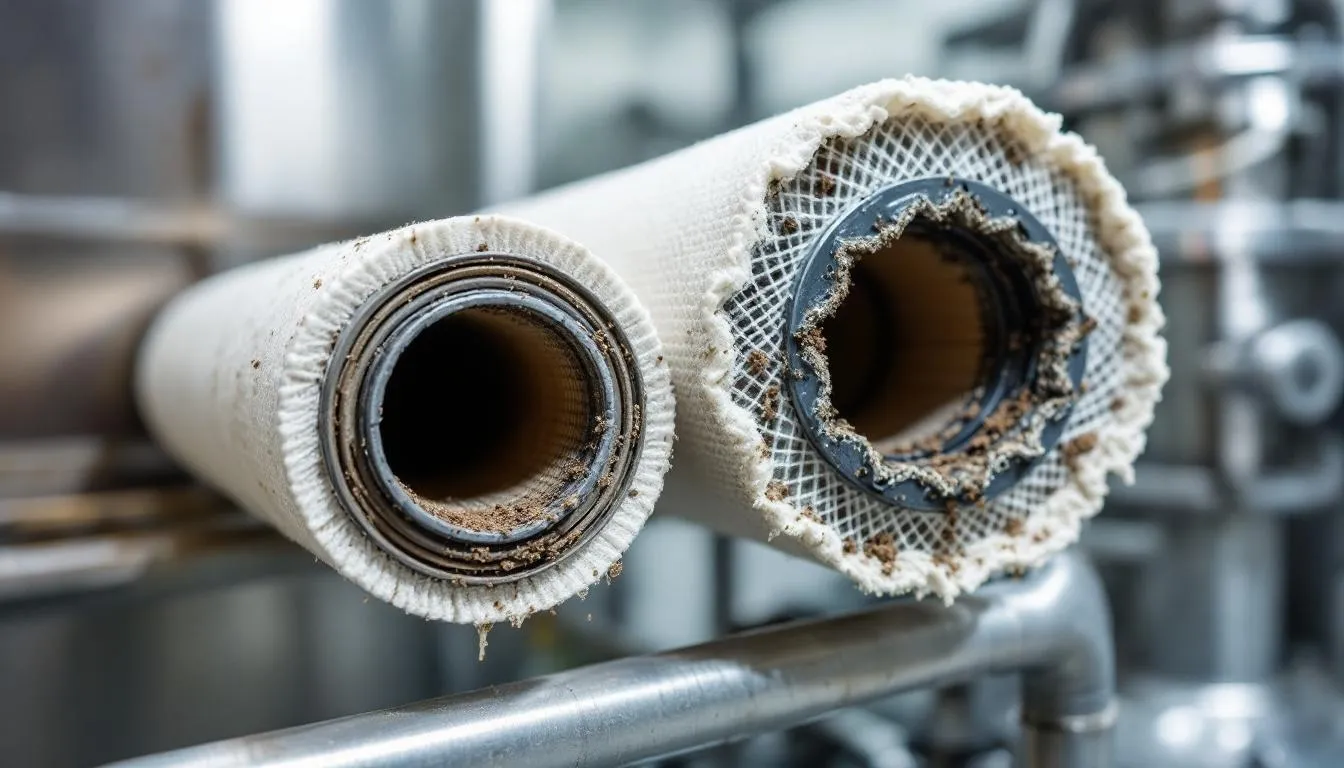
Cooling tower water constantly collects dust, dirt, and other contaminants from the surrounding environment. As these particles circulate through the system, they can contribute to fouling, scaling, and reduced heat transfer efficiency. Side stream filtration helps control these issues by continuously removing suspended solids from a portion of the circulating water.
For commercial and industrial facilities, this filtration approach supports cleaner cooling water, more reliable equipment, and better overall system performance. It also complements chemical treatment programs and helps reduce the maintenance demands associated with particulate buildup.
What Is Side Stream Filtration?
Side stream filtration is a water treatment process that cleans a small portion of the circulating water instead of filtering the entire system flow. A dedicated filtration loop diverts water from the main cooling water system, removes suspended solids and other contaminants, and returns the filtered water to the system.
This approach works particularly well in cooling towers and other large circulating water applications. Instead of relying entirely on periodic cleaning, facilities can continuously remove particles before they accumulate and affect equipment performance.
Most side stream filtration systems treat approximately 5% to 15% of the total circulating water flow, although the appropriate percentage depends on system conditions, contamination levels, and filtration requirements. Some installations may require a different flow rate to achieve the desired water quality.
A properly selected side stream filter helps maintain cleaner system water without requiring the facility to interrupt normal cooling operations. It also requires smaller pumps and less infrastructure than many full-flow filtration arrangements, making it a practical option for facilities that need continuous particulate control.
How Side Stream Filtration Works in Cooling Tower Systems
Cooling towers remain exposed to the surrounding environment during operation. Airborne dust, pollen, dirt, leaves, and organic material can enter the basin and mix with the circulating water. As evaporation concentrates dissolved minerals, suspended particles can accumulate and settle in areas with limited water movement.
A side stream filtration system addresses this problem through a separate treatment loop that operates alongside the main cooling process.
The Filtration Process
The process begins when a pump diverts a controlled portion of the cooling water into a separate filtration unit. The water then passes through the selected filtration media, which captures suspended solids, debris, and other particles according to the filter’s design and micron rating.
After filtration, the cleaner water returns to the cooling tower basin or another designated point in the circulating loop. The process continues while the main system operates, gradually improving overall water clarity.
This arrangement allows facilities to remove particles without processing large volumes of water through a full-flow filtration system. It also helps limit sediment accumulation in low-velocity areas, where debris can settle and contribute to fouling.
Why Cooling Towers Need Continuous Filtration
Cooling towers constantly introduce new contaminants into the water. Consequently, occasional basin cleaning or manual debris removal may not provide enough protection against ongoing particulate accumulation.
Continuous side stream filtration helps address this challenge. It captures particles as water circulates through the treatment loop, reducing the amount of debris that reaches heat exchangers, piping, and other equipment surfaces.
This approach becomes especially valuable in dusty or polluted environments, where airborne contaminants can increase the solids load in cooling tower water. It also helps facilities maintain more consistent water quality between scheduled cleaning and maintenance activities.
Types of Side Stream Filtration Systems
Different filtration technologies target different particle sizes and operating conditions. Selecting the right filtration system requires an understanding of the water’s contaminant profile, expected solids loading, flow rate, and desired filtration efficiency.
Sand and Media Filters
Sand filters and other media filters use layers of filtration material to capture suspended solids as water passes through the filter bed. They work well in cooling tower systems that experience continuous particulate loading.
Traditional sand filters commonly capture particles around 10 microns or larger, although actual performance depends on media selection, filter design, and operating conditions. High-efficiency media filters can capture much finer particles, with some specialized designs reaching approximately 0.45 microns.
These systems offer consistent filtration and can handle relatively large volumes of circulating water. However, operators must monitor pressure drop and schedule backwashing or other cleaning procedures to prevent accumulated solids from restricting flow.
Bag Filters
Bag filters use replaceable filter bags to capture suspended solids and debris. They offer a straightforward filtration option for applications that require controlled particle removal without complicated equipment.
Depending on the filter rating, bag filters can capture particles down to approximately 5 microns. Facilities can select different micron ratings based on the contamination level and desired filtration efficiency.
Their compact design makes them suitable for installations with limited space. However, operators must inspect the bags regularly and replace them when accumulated particles restrict water flow or increase differential pressure.
Centrifugal Separators
Centrifugal separators use rotational movement to separate heavier particles from circulating water. As water enters the separator, centrifugal force pushes denser solids toward the collection chamber, allowing cleaner water to continue through the system.
These filtration technologies work particularly well for removing sand, grit, and other relatively heavy particles. Depending on the separator design and operating conditions, some units can remove up to 90% of particles larger than 70 microns.
However, centrifugal separators do not capture every type of contaminant. Low-density particles and finer suspended solids may remain in the water, so facilities sometimes combine centrifugal separators with additional filters for more complete particle removal.
Automatic Screen Filters
Automatic screen filters use a mesh or perforated screen to capture particles while allowing water to continue flowing through the system. Some designs capture particles around 10 microns, depending on the screen rating.
When debris accumulates, an automatic cleaning mechanism removes the trapped material without requiring operators to dismantle the filtration unit. This feature makes automatic screen filters useful in applications that experience changing solids loads or require continuous operation.
The right side stream filtration setup may use one technology or combine several filtration stages. The decision should reflect the facility’s water quality, equipment requirements, and maintenance capabilities.
Why Suspended Solids Affect Cooling Tower Performance
Suspended solids can create several operational problems when they remain in circulating water. Although individual particles may appear insignificant, their continuous accumulation can affect equipment surfaces, water distribution, and overall cooling efficiency.
Fouling and Reduced Heat Transfer
Particles can settle on heat exchangers, piping, and other heat transfer surfaces. As deposits accumulate, they create an insulating layer that interferes with heat transfer and reduces the system’s ability to remove heat effectively.
This condition can force cooling equipment to work harder to maintain the required operating temperatures. Over time, reduced heat transfer efficiency can increase energy consumption and affect overall system performance.
A side stream filtration system helps limit this buildup by removing fine particles before they settle on critical surfaces. Cleaner circulating water supports better heat transfer rates and helps maintain more stable operating conditions.
Corrosion and Equipment Wear
Accumulated sediment can trap moisture, chemicals, and other contaminants against metal surfaces. These deposits can create localized conditions that contribute to corrosion, especially when water chemistry and corrosion inhibitor levels fall outside the treatment program’s recommended range.
Abrasive particles can also increase wear in pumps, valves, and other components that handle circulating water.
Consistent filtration reduces the amount of suspended material moving through the system. As a result, facilities can limit sediment accumulation, support corrosion control, and protect equipment from unnecessary wear.
Biological Growth and Deposits
Organic material and accumulated debris can provide nutrients and surfaces that support biological growth. Biofilm can then develop on internal equipment surfaces, further restricting water movement and interfering with heat transfer.
Removing suspended solids helps reduce the material available to support biological activity. However, filtration alone cannot eliminate microorganisms or replace an effective disinfection program.
Facilities should combine mechanical filtration with appropriate chemical treatment and monitoring to manage both particulate and biological contamination.
Key Benefits of Side Stream Filtration
A properly designed side stream filtration system delivers benefits that extend beyond improved water clarity. It supports equipment protection, operational efficiency, and more consistent water treatment across cooling tower systems.
Improved Water Quality
Continuous filtration helps remove suspended solids, fine particles, and debris before they accumulate in the cooling water system. Cleaner water reduces the amount of particulate material circulating through pumps, heat exchangers, and piping.
This improvement also helps maintain more consistent system water conditions, especially in facilities that experience high airborne contamination or changing makeup water quality.
Better Heat Transfer Efficiency
Fouling deposits interfere with heat transfer by creating a barrier between the water and equipment surfaces. Removing particles before they form these deposits helps maintain heat transfer efficiency.
Consequently, cooling towers and connected heat exchangers can operate under more stable conditions. Facilities may also reduce unnecessary energy consumption associated with fouled equipment.
Lower Maintenance Costs
Particulate buildup often requires additional cleaning, equipment inspection, and corrective maintenance. Side stream filtration reduces the amount of debris that accumulates in the system, helping operators limit frequent mechanical cleaning.
It also allows facilities to maintain filtration while the main cooling system remains operational, reducing the need for disruptive maintenance shutdowns.
Over time, fewer cleaning interventions and less equipment wear can help lower maintenance costs and improve operational reliability.
Longer Equipment Life
Suspended solids contribute to abrasive wear, deposit formation, and conditions that encourage corrosion. Reducing these contaminants helps protect pumps, heat exchangers, valves, and other system components.
This additional protection supports longer equipment life and helps facilities avoid premature replacement of critical assets.
More Effective Chemical Treatment
Filtration and chemical treatment serve different purposes, but they work together to maintain cooling water quality. Mechanical filtration removes suspended particles, while chemical treatment addresses dissolved minerals, corrosion, and biological activity.
Cleaner water can help treatment chemicals perform more consistently by reducing the particulate deposits and organic material that interfere with water management. It also supports a more stable treatment program and helps facilities monitor changes in water chemistry more effectively.
How Side Stream Filtration Supports Chemical Treatment Programs
Side stream filtration does not replace chemical treatment. Instead, it complements the treatment program by addressing contaminants that chemical products alone cannot physically remove.
Suspended solids can interfere with chemical treatment by creating deposits, trapping microorganisms, and contributing to uneven water conditions. As these particles accumulate, they can increase the demand for cleaning and complicate efforts to maintain consistent water chemistry.
A filtration system helps address these problems through continuous particulate removal.
For example, removing sediment and organic material helps keep heat transfer surfaces cleaner and reduces the accumulation of deposits that can harbor biological growth. This supports the work of corrosion inhibitors and biocides within the treatment program.
However, operators should still monitor important water quality parameters, including pH, conductivity, and relevant chemical residuals. Filtration does not remove all dissolved contaminants, eliminate scale-forming minerals, or provide disinfection on its own.
Facilities should also evaluate how filtration affects chemical feed requirements and overall treatment performance. A qualified water treatment provider can assess the interaction between mechanical filtration, chemical dosing, and system operating conditions.
For a closer look at how these processes work together, explore R2J’s guide to cooling tower water treatment.
Choosing the Right Side Stream Filtration System
The effectiveness of side stream filtration depends on selecting equipment that matches the cooling tower’s operating conditions. An undersized filtration unit may not remove contaminants quickly enough, while an unnecessarily restrictive filter can reduce flow and increase maintenance requirements.
Facility managers should consider several factors before selecting a system.
1. Particle Size and Contaminant Load
Start with an assessment of the suspended solids in the circulating water. Identify the typical particle sizes, concentration levels, and types of contaminants entering the system.
This information helps determine the appropriate micron filtration requirements and whether the application needs media filters, bag filters, centrifugal separators, or a combination of filtration technologies.
For additional guidance, see R2J’s article on filtration size and selecting the right filter.
2. Flow Rate and Filtration Capacity
The filtration system must handle an appropriate portion of the circulating water. Operators should evaluate the total system volume, turnover requirements, pump capacity, and expected solids loading when determining the required flow rate.
The goal is to achieve effective filtration without creating unnecessary pressure losses or restricting the main cooling water system.
3. Operating Conditions and Space Requirements
Available installation space, piping configuration, water temperature, and pressure conditions all influence filtration equipment selection. A compact filtration unit may suit facilities with limited space, while larger installations may require additional equipment to handle higher solids loads.
Operators should also consider how easily technicians can access filters for inspection, cleaning, and replacement.
4. Maintenance Requirements
Different filtration technologies require different maintenance procedures. Bag filters need periodic replacement, while media filters require backwashing and centrifugal separators need regular solids removal.
Automatic filtration equipment may reduce manual intervention, but operators must still inspect the equipment and verify that cleaning mechanisms function correctly.
A well-selected filtration system should balance particle removal, operational demands, maintenance requirements, and total cost over its service life.
Steps to Maintain an Effective Side Stream Filtration Strategy
Installing a filtration unit is only the first step. Facilities need a consistent monitoring and maintenance strategy to ensure that side stream filtration continues to deliver the expected results.
- Start with a baseline assessment of the cooling tower water. Review suspended solids levels, contamination sources, operating conditions, and existing water treatment procedures. These findings help determine the filtration requirements and establish realistic performance targets.
- Next, confirm that the filtration equipment matches the system’s flow rate and particle removal requirements. Check the filter rating, pump capacity, and installation configuration to ensure that the unit can handle the expected solids load without restricting circulation.
- Once the system operates, monitor differential pressure, flow rate, and filter condition. Rising pressure or declining flow may indicate particle accumulation, clogged filter media, or an equipment issue. Schedule cleaning, backwashing, or filter replacement according to operating conditions and manufacturer recommendations.
- Finally, review filtration performance alongside water treatment results. Regular testing and equipment inspections help identify changes in contamination levels, chemical demand, and overall system efficiency. Facilities should adjust the treatment program when operating conditions change rather than relying on a fixed filtration schedule.
For additional guidance on maintaining cooling equipment, read R2J’s cooling tower maintenance guide.
Need help selecting or optimizing a side stream filtration system? Contact R2J Chemical Services to evaluate your cooling tower needs, identify the right filtration approach, and develop a water treatment program that supports cleaner water, lower maintenance costs, and longer equipment life.
Frequently Asked Questions (FAQs)
What percentage of cooling tower water does side stream filtration treat?
Most side stream filtration systems treat approximately 5% to 15% of the total circulating water flow. However, the required percentage depends on the cooling tower’s size, water quality, solids loading, and filtration objectives. Some installations may require higher treatment flow rates to maintain the desired water clarity.
What types of contaminants can a side stream filter remove?
A side stream filter can remove suspended solids, sediment, dirt, sand, organic debris, and other particulate contaminants. The specific particles it captures depend on the filtration technology and micron rating. However, conventional mechanical filtration does not remove every dissolved contaminant or eliminate microorganisms.
Does side stream filtration replace chemical treatment?
No. Side stream filtration complements chemical treatment by physically removing suspended particles from circulating water. Chemical treatment still plays an important role in controlling scale, corrosion, and biological growth. Facilities achieve better water quality when they coordinate mechanical filtration with an appropriate chemical treatment program.
How does side stream filtration improve cooling tower efficiency?
It reduces suspended solids and particulate buildup on heat exchangers, piping, and other equipment surfaces. Cleaner surfaces support better heat transfer rates, reduce fouling, and help maintain stable operating conditions. These improvements can also lower energy consumption and reduce the need for frequent mechanical cleaning.
How often should side stream filtration equipment receive maintenance?
Maintenance frequency depends on the filtration technology, solids loading, and operating conditions. Operators should regularly inspect filter media, monitor differential pressure and flow rate, and clean or replace components when necessary. Media filters may require periodic backwashing, while bag filters need replacement when accumulated debris restricts flow. Consistent monitoring helps maintain filtration efficiency and prevent unexpected equipment problems.

 Edward Wehunt