Cooling Tower Maintenance Services in Orlando, FL
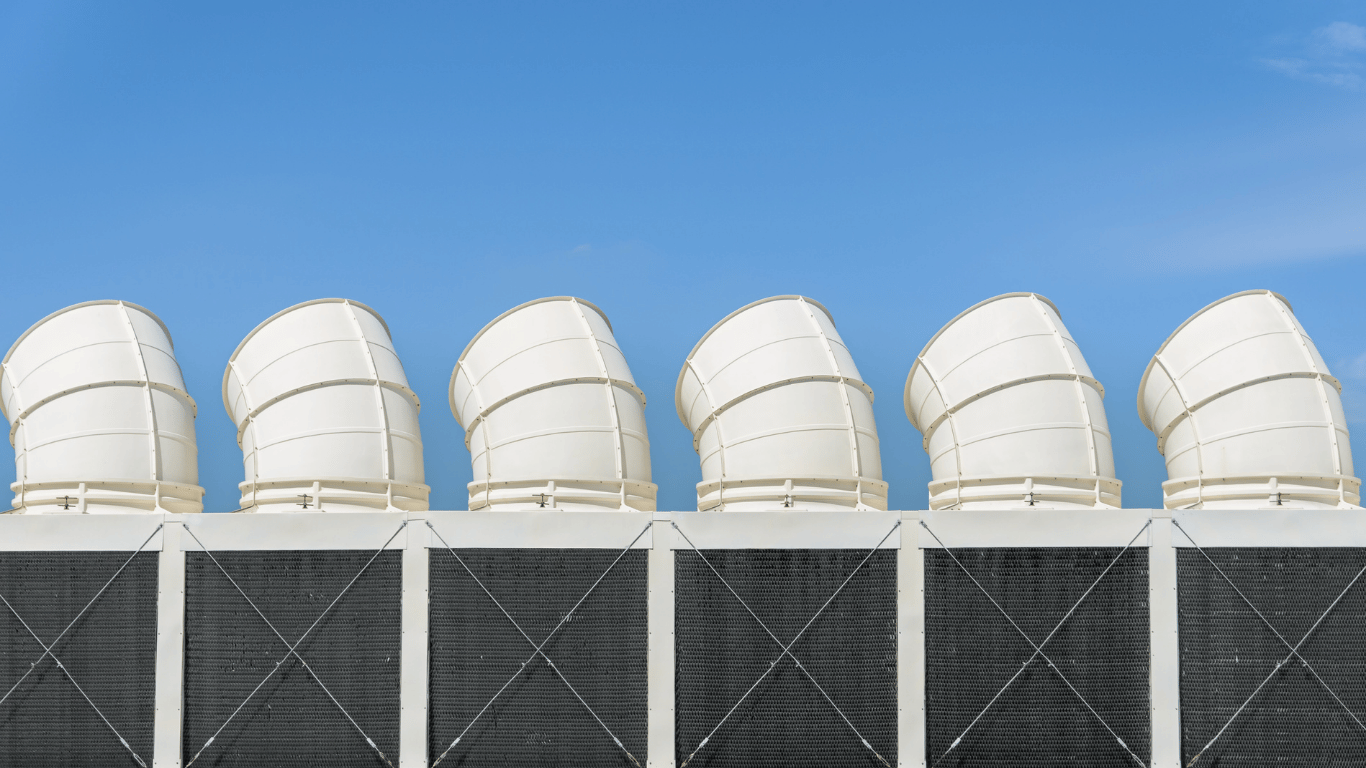
Reliable cooling tower performance helps commercial and industrial facilities manage heat, control operating costs, and maintain consistent HVAC operations. For businesses in Orlando, Florida, regular maintenance and professional water treatment help protect equipment from scale, corrosion, and biological growth. R2J Chemical Services provides specialized water treatment solutions that support dependable cooling tower operation.
Why Cooling Tower Maintenance Matters in Orlando
Florida’s warm temperatures and high humidity place ongoing demands on commercial cooling systems. Cooling towers reject waste heat from HVAC equipment and industrial processes, allowing chillers and other connected systems to operate efficiently. However, continuous evaporation concentrates dissolved minerals in circulating water, creating conditions that encourage scale buildup, corrosion, and biological fouling.
Without a consistent maintenance plan, these issues can reduce heat transfer, increase energy and water consumption, and accelerate equipment wear. Mechanical problems involving motors, pumps, fans, and other components can also lead to unexpected downtime.
A proactive maintenance program helps facility managers identify developing problems before they require expensive repairs. It also supports reliable cooling performance throughout the year, particularly in facilities that depend on continuous temperature control.
Essential Cooling Tower Maintenance Services
An effective cooling tower maintenance program combines mechanical inspections, cleaning, water quality monitoring, and corrective repairs. Each component plays a role in protecting equipment and maintaining operational efficiency.
Routine Inspections and Preventive Maintenance
Regular inspections help identify leaks, unusual vibration, corrosion, damaged components, and other signs of deterioration. Maintenance personnel should evaluate fans, motors, pumps, belts, bearings, and other mechanical components according to the equipment manufacturer’s recommendations.
Vibration analysis can also help detect developing mechanical problems before they cause equipment failure. In addition, technicians should verify that water distribution components operate correctly and that the tower maintains appropriate airflow.
Preventive maintenance allows facility teams to schedule repairs before minor defects escalate into costly breakdowns. It also helps determine when equipment upgrades or replacement parts offer a more practical long-term solution.
Cooling Tower Cleaning and Deposit Removal
Cooling towers collect airborne dirt, suspended solids, mineral deposits, and biological material during normal operation. Over time, these contaminants can accumulate in basins, fill media, distribution systems, and other surfaces.
Routine cleaning removes accumulated debris and helps restore proper water circulation and heat transfer. Facilities should also inspect the tower basin and related components for sediment, corrosion, and other conditions that could interfere with performance.
However, physical cleaning alone cannot address every water quality concern. A comprehensive maintenance plan should combine cleaning with an appropriate water treatment program to limit recurring deposits and biological growth.
Water Quality Testing and Chemical Treatment
Water treatment is a critical part of cooling tower maintenance because circulating water constantly changes as evaporation removes water while leaving most dissolved minerals behind. Operators must manage these changes to protect heat transfer surfaces and maintain stable system conditions.
A professional treatment program evaluates water chemistry and adjusts chemical dosing to control scale, corrosion, and microbial growth. Depending on system conditions, the program may include corrosion inhibitors, scale-control chemicals, biocides, filtration, and monitoring equipment.
R2J Chemical Services develops treatment strategies around the facility’s specific equipment, makeup water quality, operating conditions, and treatment objectives. Learn more about our cooling tower water treatment services in Orlando to understand how a tailored program can help protect your system.
Mechanical Repairs and Equipment Upgrades
Even well-maintained cooling towers may eventually require repairs. Worn bearings, damaged fan blades, failing motors, leaking connections, and deteriorated components can compromise system performance.
Technicians should evaluate the cause of each problem before recommending repairs or replacement. Replacing damaged parts promptly can restore reliable operation, while appropriate equipment upgrades may improve energy efficiency and reduce recurring maintenance requirements.
Facility managers should also review repair history and operating costs when deciding whether to repair existing equipment or invest in replacement. A documented maintenance plan helps prioritize projects according to equipment condition, operational risk, and budget.
How Water Treatment Protects Cooling Tower Performance
Mechanical maintenance keeps equipment in working order, but water chemistry directly affects the tower’s long-term condition. Even a mechanically sound system can experience efficiency losses when circulating water contains excessive dissolved minerals, corrosive compounds, or uncontrolled biological growth.
Controlling Scale and Mineral Buildup
As evaporation removes water from a cooling tower, dissolved minerals become more concentrated. When water chemistry exceeds the conditions that keep those minerals dissolved, deposits can form on heat transfer surfaces and other system components.
Scale buildup restricts heat transfer and can force chillers and connected equipment to work harder. An effective treatment program manages mineral concentration through appropriate chemical control, blowdown practices, and makeup water management.
Understanding cooling tower cycles of concentration and control helps facility teams understand how water concentration affects treatment requirements, water consumption, and system performance.
Preventing Corrosion and Biological Growth
Corrosion gradually damages metal components, piping, and heat transfer surfaces. The right treatment chemistry helps limit this deterioration, while regular monitoring allows operators to identify changes that may threaten system integrity.
Biological growth presents a separate challenge. Warm circulating water, nutrients, and favorable operating conditions can encourage algae, bacteria, and biofilm to develop. These deposits can restrict water flow, contribute to fouling, and interfere with heat transfer.
A properly managed biocide program helps control microbial populations, while cleaning and monitoring address conditions that encourage regrowth. Cooling tower operators should also incorporate appropriate water management practices to manage Legionella risk in accordance with applicable requirements.
Improving Energy and Water Efficiency
Poor water chemistry and neglected equipment can increase operating expenses. Scale reduces heat transfer, fouling restricts circulation, and mechanical wear can increase power consumption. Meanwhile, ineffective water management can lead to unnecessary water losses or excessive blowdown.
Regular water testing, properly adjusted chemical dosing, and suitable filtration help maintain system conditions. Automated monitoring can further improve consistency by tracking important parameters and helping operators respond to changes before they affect performance.
For Orlando facilities, these measures support reliable cooling during demanding weather conditions while helping control energy consumption, water usage, and avoidable maintenance costs.
Building a Cooling Tower Maintenance Plan for Your Facility
Every facility has different operating requirements, equipment configurations, and water quality challenges. A practical maintenance plan should reflect these differences instead of relying on a one-size-fits-all schedule.
Start by reviewing equipment condition, existing maintenance records, operating temperatures, water consumption, and treatment results. Next, establish inspection and cleaning intervals based on manufacturer guidance, operating conditions, and observed system performance.
The plan should also define water testing procedures, chemical treatment requirements, mechanical inspection tasks, and corrective maintenance responsibilities. Documenting results allows facility managers to identify recurring problems, evaluate treatment effectiveness, and make informed decisions about repairs and upgrades.
Professional support can strengthen this process, particularly when water chemistry problems persist despite routine mechanical maintenance. R2J Chemical Services helps facilities evaluate their water treatment needs and develop solutions that align with their equipment, operating conditions, and performance goals.
Get Professional Cooling Tower Services in Orlando, FL
Maintaining a reliable cooling tower starts with understanding your equipment’s condition, evaluating circulating water quality, and addressing developing problems before they disrupt operations. Review your current maintenance procedures, identify recurring scale or corrosion concerns, and establish a treatment and inspection plan that reflects your facility’s needs.
R2J Chemical Services can help you evaluate your cooling tower water treatment requirements and develop a practical approach to protecting equipment performance, controlling operating costs, and supporting long-term reliability.
Connect with us to discuss cooling tower services in Orlando, FL, and request a solution tailored to your facility.
Frequently Asked Questions (FAQ)
How often should a cooling tower receive maintenance?
Cooling tower maintenance frequency depends on equipment design, operating hours, water quality, and site conditions. Operators should conduct routine inspections and water quality monitoring throughout operation, with cleaning and mechanical servicing scheduled according to manufacturer recommendations and observed conditions. A qualified service provider can help establish an appropriate maintenance schedule.
What are the common signs that a cooling tower needs repair?
Common warning signs include unusual vibration, leaking connections, visible corrosion, excessive scale buildup, reduced cooling performance, and unexplained increases in water or energy consumption. Changes in water chemistry or recurring biological growth may also indicate treatment problems. Prompt investigation helps prevent minor issues from developing into more expensive repairs.
Why does a cooling tower need professional water treatment?
Professional water treatment helps control scale, corrosion, and biological growth in circulating water. These problems can damage equipment, reduce heat transfer, and increase operating expenses. A tailored treatment program uses water quality testing and appropriate chemical control to maintain suitable operating conditions.
Can cooling tower maintenance reduce operating costs?
Yes. Preventive maintenance can help reduce energy waste, unnecessary water consumption, and emergency repair expenses. Cleaning, mechanical inspections, and effective water treatment help maintain heat transfer performance and identify developing problems early. Actual savings depend on the system’s condition, operating practices, and treatment requirements.
What should an Orlando facility consider when choosing cooling tower services?
Facility managers should look for a provider with relevant water treatment expertise, experience with commercial or industrial systems, and the ability to tailor recommendations to site-specific conditions. Ask about water testing, chemical treatment, monitoring, maintenance coordination, and documentation. The right service plan should address immediate concerns while supporting long-term equipment reliability.

 Nick Planin
