Water Treatment for the Hospitality Industry
Dec 05, 2025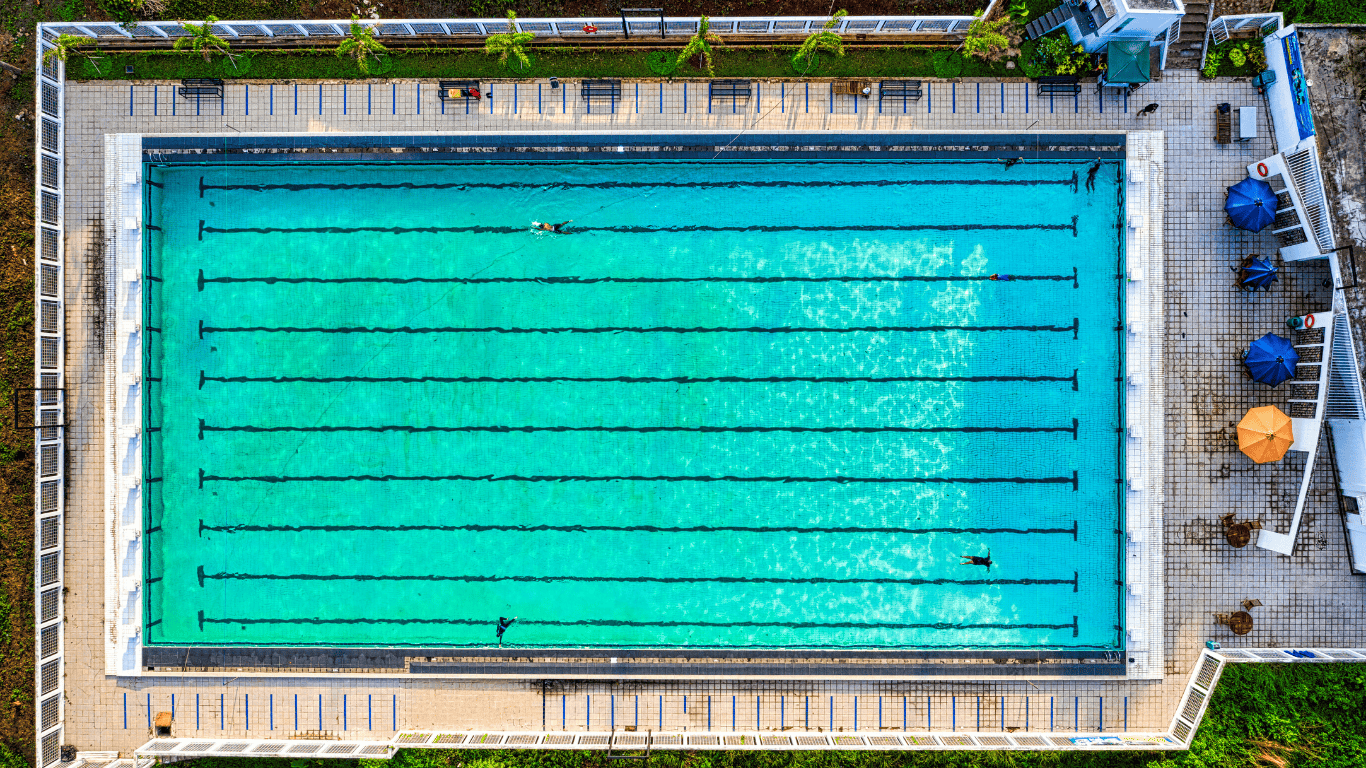
Water plays a central role in hotel operations, from guest comfort and food preparation to laundry, sanitation, and mechanical equipment. For hotels and resorts, maintaining consistent water quality requires more than a dependable supply. It also requires a treatment strategy that protects guests, supports reliable facility performance, and controls long-term operating costs. R2J Chemical Services helps hospitality facilities understand their water treatment needs and maintain dependable systems.
Why Water Quality Matters in Hotels and Resorts
Water quality influences nearly every aspect of the guest experience. Guests expect clean drinking water, comfortable showers, fresh-tasting beverages, and well-maintained swimming pools. At the same time, engineering and housekeeping teams depend on reliable water to maintain daily operations without unnecessary interruptions.
Consistent water quality supports hospitality facilities in several important ways:
- Protects guest health: Proper treatment helps control harmful bacteria and other contaminants that can compromise drinking water and recreational water systems.
- Improves guest satisfaction: Clean water with a consistent taste, odor, and appearance reinforces guest confidence and helps prevent complaints.
- Protects facility equipment: Appropriate treatment limits scale formation, corrosion, and mineral deposits in plumbing, water heaters, and commercial appliances.
- Supports operational efficiency: Reliable water treatment systems help reduce equipment downtime, unnecessary repairs, and disruptions during peak occupancy.
- Strengthens brand reputation: Consistent water quality demonstrates a commitment to cleanliness, safety, and dependable service.
Water management often happens behind the scenes, but its effects are immediately noticeable when something goes wrong. Hotels that prioritize water quality can maintain more reliable operations while creating a better experience for guests and employees.
Key Water Treatment Challenges in the Hospitality Industry
Hotels and resorts manage different water demands throughout the day. Guest rooms, commercial kitchens, laundry facilities, swimming pools, cooling systems, and boiler equipment all require water with specific quality characteristics. A single treatment approach may not adequately address every application.
Several challenges deserve particular attention.
Fluctuating Incoming Water Quality
Municipal treatment infrastructure generally provides a starting point for safe water, but incoming water quality can still vary in hardness, dissolved minerals, disinfectant levels, and other characteristics. Properties that use private wells or alternative water sources may face additional challenges.
Routine testing helps operators identify specific contaminants and determine whether the existing water supply meets the requirements of each application. It also helps teams recognize changes before poor water quality affects guest services or equipment performance.
Scale Formation and Corrosion
Hard water contains dissolved calcium and magnesium that can accumulate on pipes, heating elements, and other surfaces. Scale buildup restricts water flow and reduces heat transfer, forcing equipment to work harder.
Corrosion presents a different problem. Unbalanced water chemistry can damage metal components, contribute to leaks, and introduce unwanted substances into the water supply. Both conditions can increase maintenance costs and shorten equipment life.
Microbial Growth in Water Systems
Stagnant water, unsuitable temperatures, and inadequate disinfection can create conditions that allow harmful microorganisms to multiply. Large buildings with extensive plumbing networks require particular attention because water may remain in low-use outlets, storage tanks, and other sections of the system.
Hotels should incorporate appropriate monitoring, cleaning, disinfection, and water management procedures into their routine maintenance programs.
Wastewater Management and Discharge
Hospitality facilities generate wastewater from kitchens, laundry operations, bathrooms, swimming pools, and other services. This wastewater may contain detergents, grease, suspended solids, organic matter, and treatment chemicals.
Without suitable wastewater treatment, these contaminants can affect receiving waterways and surrounding ecosystems. Hotels must evaluate their wastewater systems, discharge requirements, and opportunities for responsible water reuse to maintain regulatory compliance.
Core Water Treatment Systems Used in Hotels
Effective hotel water treatment starts with understanding the source water, the property’s equipment, and the quality requirements of each application. The right combination of treatment technologies can protect infrastructure while delivering consistent water throughout the facility.
Filtration Systems
Filtration systems remove sediment, suspended particles, and other contaminants that affect water clarity or damage downstream equipment. Depending on the media and filtration technology, these systems can also reduce chlorine, odors, and selected impurities.
Hotels may use different filtration stages to protect plumbing, improve water quality at drinking water outlets, and prepare water for more advanced treatment. Operators should select filtration systems according to the contaminants present, required flow rates, and intended use.
Water Softeners
Water softeners remove hardness minerals through ion exchange, helping prevent scale buildup in pipes, water heaters, laundry systems, and commercial dishwashers.
Soft water can improve cleaning performance and reduce detergent consumption in suitable applications. It also helps protect heating equipment from mineral deposits that interfere with heat transfer.
However, softening does not remove every contaminant or replace disinfection. Hotels should combine water softeners with other treatment processes when their water quality requirements call for them.
Reverse Osmosis Systems
Reverse osmosis uses a semipermeable membrane to reduce dissolved salts and many other impurities. These reverse osmosis systems can provide purified water for selected drinking water stations, beverage preparation, ice machines, and other applications that require low dissolved-solids content.
The appropriate system depends on incoming water quality, desired output, recovery requirements, and operating conditions. Pretreatment is often necessary to protect the membrane and maintain performance.
Ultraviolet and Chemical Disinfection
UV disinfection uses ultraviolet light to inactivate susceptible microorganisms without adding a disinfectant chemical to the treated water. However, UV does not provide a lasting disinfectant residual throughout downstream plumbing.
Chemical disinfection, in contrast, can maintain residual disinfectant levels when properly designed and controlled. Hotels may use chlorine-based treatment or other approved disinfection methods according to their water source, application, and regulatory requirements.
These approaches serve different purposes, so operators should select and maintain them according to a facility-specific water safety plan.
Boiler and Cooling System Treatment
Boilers, chillers, and cooling towers require treatment programs that address scale, corrosion, suspended solids, and biological growth. These systems operate under different conditions from potable water systems, so they need application-specific water chemistry controls.
Appropriate treatment protects heat transfer surfaces, supports energy efficiency, and reduces avoidable equipment failures. Regular testing and preventive maintenance also help engineering teams identify developing problems before they disrupt hotel operations.
Water Treatment for Guest-Facing Features
Guests interact with water throughout their stay, often without realizing how much treatment and maintenance the property requires. A reliable water management program considers the needs of every guest-facing application rather than focusing exclusively on the main water supply.
Drinking Water and Ice Machines
Drinking water must meet applicable safety requirements, while ice machines need clean supply water and routine equipment sanitation. Filtration can improve taste and odor, and reverse osmosis may help address dissolved contaminants when the application requires it.
Nevertheless, treatment alone cannot compensate for dirty storage bins, neglected filters, or poorly maintained dispensing equipment. Hotels should follow manufacturer recommendations for filter replacement, cleaning, and disinfection.
Showers and Guest Rooms
Water quality affects shower comfort, plumbing performance, and the appearance of bathroom fixtures. Hard water can leave mineral deposits on faucets, showerheads, and glass surfaces, increasing housekeeping demands.
Water softeners and suitable filtration systems can address particular water quality issues. Operators should also monitor hot water distribution, maintain appropriate temperatures, and investigate outlets that receive little use.
Swimming Pools and Hot Tubs
Swimming pools and hot tubs require dedicated filtration, circulation, and disinfection programs. Operators must monitor disinfectant levels, pH, and other relevant water chemistry parameters to maintain safe and comfortable recreational water.
High bather loads can increase contamination and place additional demands on treatment systems. Regular testing, appropriate chemical dosing, equipment inspections, and cleaning help maintain water clarity and protect guests.
Kitchens, Restaurants, and Laundry Facilities
Commercial kitchens need water that supports food preparation, sanitation, and consistent beverage quality. Dishwashers also benefit from treatment that controls hardness and prevents mineral deposits on heating elements and glassware.
Laundry systems face similar challenges. Hard water can reduce detergent effectiveness, contribute to fabric stiffness, and increase chemical consumption. Proper water treatment helps maintain cleaning performance while protecting equipment and managing operational costs.
Legionella Management in Hotel Water Systems
Legionella bacteria can grow in building water systems when conditions support their multiplication. Hotels need to pay particular attention to complex plumbing networks, hot water distribution, cooling towers, and other systems that can generate water aerosols.
A comprehensive water management program should include the following measures:
- Assess system risks: Identify areas where water stagnation, unsuitable temperatures, or inadequate disinfection could encourage microbial growth.
- Monitor operating conditions: Track water temperatures, disinfectant residuals, and other parameters appropriate to each system.
- Maintain equipment: Clean and disinfect relevant storage tanks, outlets, cooling towers, and recreational water equipment according to established procedures.
- Manage stagnant sections: Review low-use outlets and sections of plumbing that may require flushing or other corrective measures.
- Document corrective actions: Maintain inspection records, monitoring results, maintenance schedules, and follow-up actions.
Hotels should establish procedures appropriate to their building design, water systems, and local requirements. Treatment technology can support these procedures, but no single device guarantees complete protection against Legionella.
For additional guidance, review R2J’s article on Legionella management in water safety systems.
Managing Water Usage and Operating Costs
Water treatment can help hotels control expenses beyond their monthly water bills. Poorly managed water chemistry often contributes to equipment inefficiency, avoidable repairs, and excessive consumption of energy, cleaning products, and treatment chemicals.
A well-maintained program can improve financial performance in several ways:
- Preventing scale buildup: Reducing mineral deposits helps preserve heat transfer in water heaters, boilers, and other applicable equipment, supporting energy efficiency.
- Reducing maintenance costs: Early detection of corrosion, leaks, and treatment problems can limit costly repairs and unplanned downtime.
- Improving cleaning efficiency: Softened water can improve detergent performance in suitable laundry and dishwashing applications, potentially reducing detergent use.
- Controlling water usage: Submetering, leak detection, and routine inspections help teams identify unnecessary consumption across guest rooms and service areas.
- Optimizing treatment operations: Proper chemical dosing and scheduled maintenance help prevent overuse of treatment products and reduce avoidable waste.
Hotels should evaluate treatment performance alongside water consumption, energy costs, chemical use, and maintenance records. These measurements help operators identify where improvements can deliver meaningful cost savings without compromising water quality or guest safety.
Sustainable Water Treatment Approaches for Hotels and Resorts
Water conservation has become an important consideration for hospitality facilities, particularly in areas that experience seasonal shortages or rely on limited freshwater resources. Sustainable water treatment can help hotels reduce their environmental impact while maintaining the water quality their operations require.
Water Reuse and Recycling
Treated wastewater can support approved nonpotable applications, such as landscape irrigation or toilet flushing, when the treatment process meets the applicable reuse requirements. Some facilities may also evaluate suitable water recovery opportunities within their mechanical operations.
These systems require appropriate treatment barriers, monitoring, distribution controls, and safeguards that prevent cross-connections with potable water systems.
Efficient Treatment and Chemical Control
Automated monitoring and chemical dosing help maintain treatment conditions while limiting unnecessary chemical consumption. Operators can use monitored system performance to adjust treatment more accurately and identify abnormal operating conditions.
Advanced treatment processes may also help facilities reduce the amount of contaminants entering wastewater discharge streams. However, the actual benefits depend on the technology, incoming water characteristics, and operating practices.
Alternative Water Sources
Properties in water-stressed regions may investigate rainwater harvesting, reclaimed water, or desalination where suitable. A desalination plant can provide an alternative source of freshwater, but operators must account for energy consumption, pretreatment needs, concentrate management, and ongoing maintenance.
Hotels should compare these options against local water availability, infrastructure requirements, and total operating costs before investing.
For more information, explore R2J’s guide to sustainable water treatment.
Steps to Strengthen Your Hotel Water Treatment Program
A reliable water management strategy begins with a clear understanding of the property’s needs and continues through consistent monitoring, maintenance, and performance evaluation. Hotels and resorts can strengthen their programs with these practical steps:
- Assess existing water conditions: Test incoming water and evaluate the quality requirements of drinking water, kitchens, laundry systems, recreational facilities, and mechanical equipment.
- Match treatment to each application: Select suitable filtration systems, water softeners, reverse osmosis, disinfection, and wastewater treatment processes based on verified needs rather than assumptions.
- Establish monitoring procedures: Set appropriate testing frequencies, operating limits, documentation practices, and corrective actions for each system.
- Schedule preventive maintenance: Inspect filters, pumps, chemical feed equipment, membranes, and other critical components according to operating conditions and manufacturer recommendations.
- Review regulatory requirements: Confirm applicable drinking water, public health, wastewater discharge, and water reuse requirements with the relevant authorities.
- Track performance and costs: Monitor water consumption, energy use, chemical demand, maintenance expenses, and treatment results to identify opportunities for improvement.
- Train facility personnel: Ensure engineering, housekeeping, and maintenance teams understand their responsibilities and know how to report unusual water conditions.
The most effective hotel water treatment program combines suitable technology with consistent oversight and expert guidance. R2J Chemical Services can help your facility evaluate its water treatment needs, address system performance concerns, and develop a practical approach to water quality, equipment protection, and operating efficiency. Contact us today to discuss your facility’s water treatment requirements and identify the right next steps.
Frequently Asked Questions (FAQ)
Why is water treatment important for hotels and resorts?
Water treatment helps hotels maintain safe drinking water, protect guests, and support reliable operations across kitchens, laundry facilities, recreational areas, and mechanical equipment. It also helps control scale, corrosion, and microbial growth, reducing avoidable maintenance costs and supporting guest satisfaction.
What water treatment systems do hotels typically need?
Requirements depend on incoming water quality and each property’s applications. Common options include filtration systems, water softeners, reverse osmosis, UV or chemical disinfection, and specialized boiler, cooling tower, and wastewater treatment systems. Water testing helps determine which technologies a facility actually needs.
How can hotels improve drinking water quality?
Hotels can begin with laboratory testing or other appropriate water quality assessments to identify relevant contaminants. Depending on the results, filtration, reverse osmosis, or suitable disinfection may help meet the required standards. Regular equipment maintenance and monitoring remain essential for consistent performance.
How can water treatment reduce hotel operating costs?
Proper water treatment helps prevent scale buildup, corrosion, and equipment inefficiency. Water softeners can also improve cleaning performance in suitable applications. Combined with leak detection, preventive maintenance, and efficient treatment controls, these measures can reduce unnecessary water consumption, energy use, and repair expenses.
How can hotels make their water treatment practices more sustainable?
Hotels can improve sustainability by reducing leaks, optimizing treatment chemical use, maintaining efficient equipment, and evaluating approved water reuse opportunities. Properties should assess each option against local regulations, water quality requirements, energy demands, and environmental considerations before implementation.

 Tony Toscano