What Is Water Management? Industrial Planning and Optimization
Mar 17, 2026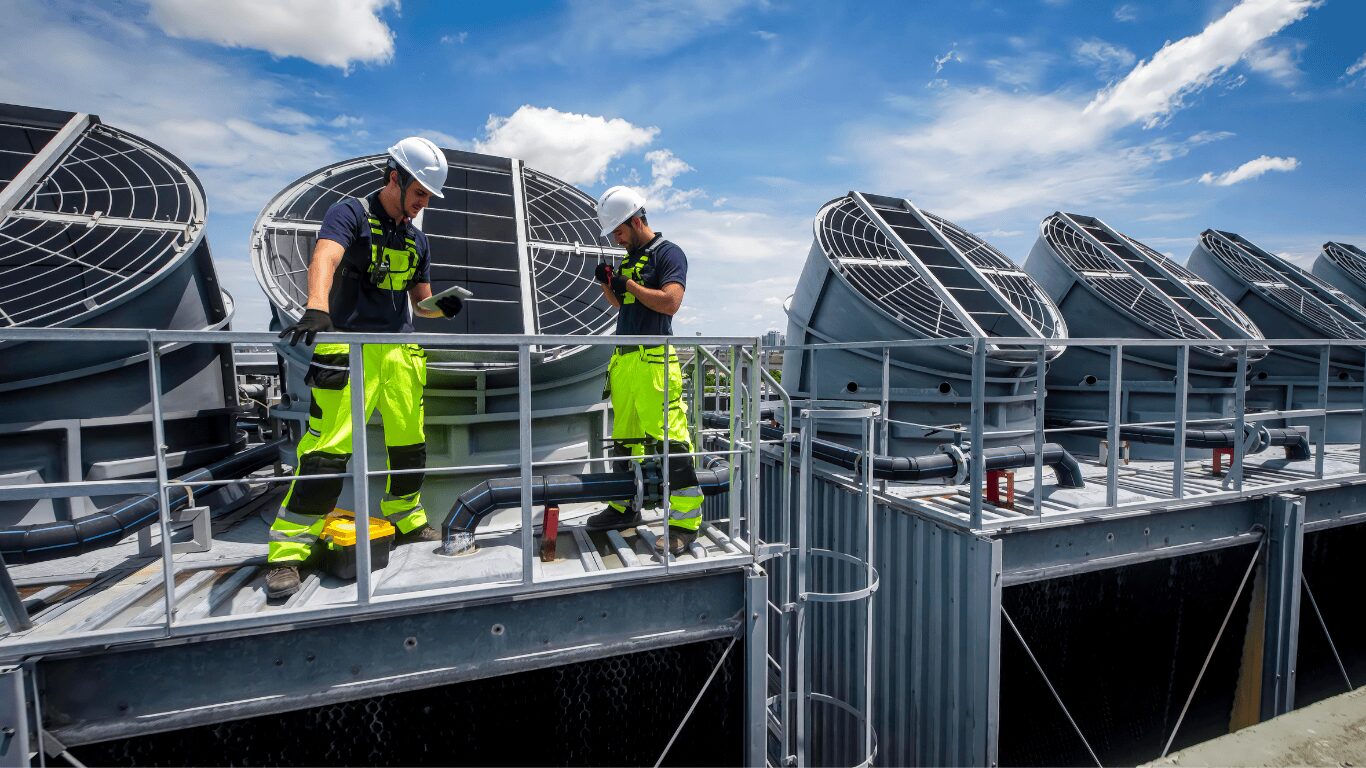
Water is one of our most valuable resources, yet many facilities struggle to manage it efficiently. Understanding what is water management involves planning, monitoring, and controlling water usage across industrial and commercial systems. Effective water management ensures facilities operate safely, reduce unnecessary waste, and maintain water quality for both equipment and people.
With rising costs and increasing water scarcity, taking a proactive approach to water management has become essential for sustainable operations. This article will guide you through the key strategies, practices, and technologies that help facilities make the most of every drop.
Why Water Management Matters
Water is a valuable resource that supports both human life and industrial operations. Proper management ensures reliable water availability, even in regions facing water scarcity. Industrial facilities rely on consistent access to clean water for processes, cooling, and sanitation, while inefficient use can lead to rising costs and wasted water resources. Beyond operations, effective water management protects the environment by preventing pollution and conserving local water bodies. Recognizing the limits of our water supply and taking steps to use it wisely safeguards public health and ensures sustainability for future generations.
Core Concepts of Water Management
At its core, water management refers to the careful planning and control of water in all types of systems. It focuses on optimizing water usage, ensuring facilities and communities have access to safe, clean water while minimizing waste. Effective management involves monitoring water systems for leaks, contamination, or inefficiencies and implementing measures to improve water efficiency. This can include using automated controls, scheduling regular maintenance, and tracking consumption patterns. By understanding these core concepts, operators can make informed decisions that conserve water, reduce costs, and protect both equipment and the environment.
Water Management Practices in Industry
Implementing effective water management practices is essential for industrial facilities looking to optimize operations and reduce costs. Common strategies include water efficiency measures such as installing low-flow fixtures, monitoring consumption through smart meters, and performing regular leak detection. Facilities can also adopt water conservation approaches like water recycling, rainwater capture, and scheduling processes to minimize unnecessary water use. Operators should watch for early signs of inefficiency, as addressing small issues promptly can prevent water waste and improve overall system performance. Combining practical measures with technology creates a proactive framework for sustainable water management.
Sustainable Water Management
Sustainable water management focuses on using water responsibly today while safeguarding resources for future generations. Implementing practices that reduce waste, recycle water, and monitor consumption helps maintain sustainable water supplies and strengthens overall water security. These efforts also reflect broader environmental values, protecting ecosystems and reducing the facility’s impact on surrounding water bodies.
Industrial operators who plan for sustainability not only comply with regulations but also improve long-term efficiency and resilience. For insights into practical approaches, check out our guide on sustainable water treatment, which explores strategies for minimizing waste and maintaining high water quality.
Water Management Strategies for Industrial Systems
Effective water management strategies focus on maximizing efficiency while protecting equipment and maintaining high-quality water. Facilities can optimize water usage by carefully planning operations, monitoring flow rates, and scheduling regular cleaning or maintenance programs. Cooling towers, boilers, and closed loops all benefit from these proactive measures, which reduce scaling, corrosion, and unnecessary water loss.
Operators often catch early issues by tracking system performance and adjusting treatment methods as needed. For cooling towers, proper chemical treatment is key to maintaining performance and water quality. See our guide on cooling tower water treatment chemicals for practical strategies that improve efficiency and reduce waste.
Role of Technology in Water Management
Integrating advanced technology is transforming how facilities manage water. Smart technology, such as sensors and automated controls, allows operators to monitor usage in real time, detect leaks early, and adjust systems for maximum efficiency. These tools support comprehensive water management plans by providing actionable data that guides decisions and prevents costly waste. Teams can track flow rates, system pressures, and water quality continuously, which reduces downtime and improves overall performance. For more on leveraging technology to streamline operations, see our guide on water treatment automation.
Water Management in Cooling Towers
Proper water management is critical for every cooling tower to operate efficiently and safely. Monitoring water quality helps prevent scaling, corrosion, and the growth of harmful bacteria, protecting both equipment and public health. Controlling water usage through optimized cycles and automated dosing systems reduces waste and lowers operating costs. Regular water testing, cleaning, and maintenance ensure the system runs smoothly while preventing issues that can disrupt operations. By taking these proactive steps, facilities can prevent water waste, extend the life of their cooling towers, and maintain safe, reliable performance for daily operations.
Water Management in Boilers and Closed Loops
Maintaining mechanical equipment like boilers and closed loops requires careful attention to water efficiency and system performance. Regular monitoring of water systems, along with chemical treatment and water quality checks, prevents scaling, corrosion, and buildup that can compromise safety and reliability. Efficient water management also reduces energy use, since clean and properly treated water improves heat transfer and lowers operational costs. Operators who track water chemistry and maintain consistent treatment routines often catch issues early, keeping systems running smoothly and extending equipment life.
Irrigation and Industrial Water Use
Efficient use of irrigation water is essential for both agricultural and industrial applications. Facilities can support sustainable practices by implementing irrigation water management systems that optimize timing, flow, and distribution. Smart irrigation strategies, such as water budgeting and recycling runoff, reduce waste and ensure crops receive the right amount of water. Industrial facilities play a key role in conserving water for food production, balancing operational needs with environmental responsibility. Thoughtful planning and monitoring help maintain supply, improve efficiency, and protect water resources for surrounding communities.
Planning for Water Security
Ensuring water security starts with proactive planning and thorough risk assessments. Facilities must evaluate their water supply sources, anticipate potential disruptions, and implement contingency plans to maintain operations during shortages. Maintaining safe drinking water standards is critical, not only for employees but also for compliance with public health regulations. These measures contribute to public health protection by preventing contamination, minimizing risks, and ensuring that water remains available and safe for all essential uses. A strong water security plan builds resilience and supports long-term operational stability.
Environmental and Regulatory Considerations
Poor water management can lead to water pollution, increased wastewater management challenges, and negative impacts on local ecosystems. Facilities must comply with environmental regulations to minimize risks and align with sustainability objectives. Considering climate change and extreme weather events, proper planning helps reduce flood risk and protects both the environment and operations. Adopting regulatory-compliant practices not only avoids penalties but also supports long-term sustainability goals, ensuring that industrial activities use water responsibly and minimize their ecological footprint.
Steps to Implement Effective Water Management
Achieving effective water management starts with understanding your facility’s current water use and identifying areas for improvement. Begin by implementing water efficiency measures such as monitoring flow rates, installing efficient fixtures, and tracking consumption patterns. Regular inspections and maintenance help reduce water loss from leaks or system inefficiencies. Operators should also adopt structured management practices, including water budgeting, staff training, and scheduling preventive maintenance.
Taking these steps ensures resources are used wisely, costs are controlled, and systems remain reliable. Need guidance on improving your facility’s water management? Connect with R2J today to develop a tailored strategy that maximizes efficiency and safety.
Frequently Asked Questions (FAQs)
What are water efficient fixtures, and why are they important?
Water efficient fixtures, like low-flow taps and toilets, reduce overall water use and help facilities conserve resources while lowering operational costs.
How can wastewater management improve facility operations?
Proper wastewater management prevents contamination, protects water quality, and ensures compliance with environmental regulations. It also reduces the risk of equipment damage from untreated water.
What is water budgeting, and how does it help?
Water budgeting tracks consumption, identifies inefficiencies, and sets targets for reducing water use. It allows operators to plan usage during periods of water shortages.
How do facilities ensure safe drinking water?
Regular testing, filtration, and treatment maintain drinking water standards, preventing water pollution and protecting public health.
Why is maintaining water infrastructure critical?
Reliable water infrastructure ensures consistent supply, prevents leaks, and supports efficient water use, safeguarding operations and the surrounding environment.

 Tim Lane