Commercial Reverse Osmosis Systems Explained
Jan 26, 2026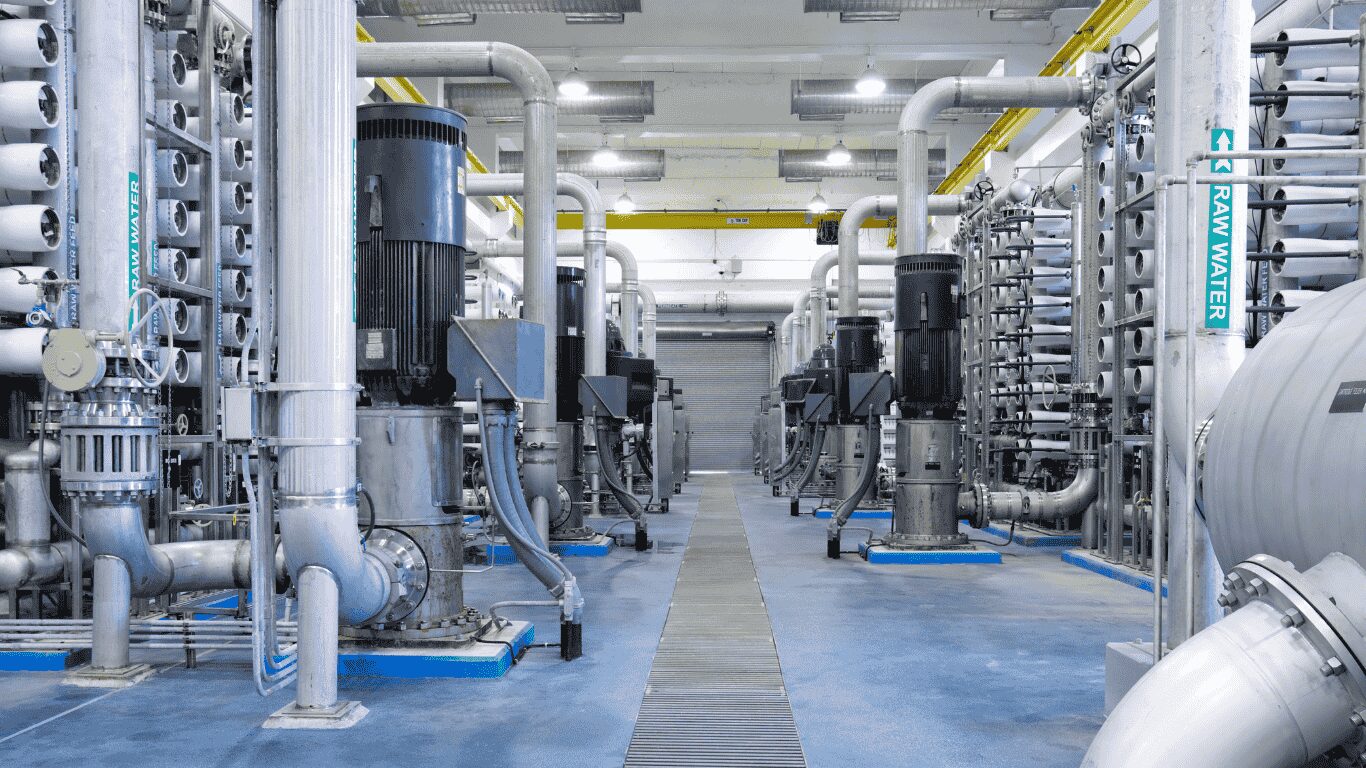
Every commercial operation depends on consistent water quality, yet many businesses struggle with fluctuating mineral content, contaminants, and inconsistent supply conditions. Whether you run a manufacturing plant, a food service operation, or a hospitality facility, unreliable water can quietly undermine efficiency, product consistency, and equipment life. Over time, poor water quality shows up as scale buildup, corrosion, taste issues, process interruptions, and rising maintenance costs.
This is where a commercial reverse osmosis system becomes essential. By applying advanced filtration and targeted water treatment, these systems deliver reliable clean water that supports daily operations, protects equipment, and ensures dependable performance. When water is properly treated, commercial facilities gain better process control, more predictable outcomes, and a stronger foundation for long-term operational success.
How a Commercial Reverse Osmosis System Works
At its core, a commercial reverse osmosis system uses advanced filtration to separate clean, usable water from unwanted contaminants and impurities. The process starts when incoming feed water, often standard tap water, passes through a series of pre-treatment filters. These remove sediment, chlorine, and larger particles that could damage the membrane or reduce system efficiency. From there, the water is pushed through a semi-permeable membrane, the heart of every reverse osmosis system.
Under controlled pressure, the membrane allows only water molecules to pass while rejecting dissolved solids, salts, and other contaminants. This separation step is what turns untreated source water into purified water suitable for commercial use. The result is consistent quality, stable performance, and a reliable supply of clean water across daily operations. For a deeper look at how this process supports industrial and commercial treatment strategies, our guide on reverse osmosis water treatment explains the full system flow in greater detail.
Key Components and System Design Considerations
Every commercial reverse osmosis system is built from carefully selected components that work together to deliver stable performance and long-term reliability. At a minimum, this includes pre-filtration stages, the RO membrane assembly, pressure controls, and a dedicated storage tank that balances production and demand. Many modern systems arrive fully assembled as a compact unit, allowing for easier installation and faster startup. This streamlined approach reduces onsite labor and simplifies layout planning.
System design plays a major role in overall efficiency. Flow rates and capacity must align with real operating demand, not just peak usage. Oversizing wastes energy and space, while undersizing creates pressure drops and inconsistent supply. Space saving design has become increasingly important for facilities with limited floor area, particularly in light commercial settings. Thoughtful system engineering ensures that the machine integrates seamlessly into existing operations, delivering dependable output without disrupting workflows. For a closer look at how tank selection affects system balance and water availability, our guide on reverse osmosis tanks provides valuable planning insights.
Commercial vs Industrial RO Applications
Understanding the difference between a commercial reverse osmosis system and larger industrial reverse osmosis systems helps teams choose the right solution for their operational goals. Commercial systems are typically designed for moderate demand and consistent daily use, making them ideal for light commercial environments such as office buildings, restaurants, healthcare facilities, and coffee shops. These systems focus on stable flow, compact layouts, and dependable output, supporting daily business operations without excessive complexity.
Industrial systems, on the other hand, serve high-volume industries that require continuous production and advanced process control. Facilities involved in manufacturing, power generation, food processing, and heavy industrial applications often rely on larger engineered platforms capable of handling challenging feed sources, including seawater, brackish supplies, and complex wastewater streams. These installations demand higher pressures, increased capacity, and robust pretreatment to ensure long-term reliability. For facilities facing elevated salinity or difficult source conditions, our guide on brackish water treatment offers deeper insight into how specialized RO design supports performance and system longevity.
Performance, Efficiency, and Water Quality Control
Achieving consistent results from a commercial reverse osmosis system depends heavily on pretreatment and ongoing monitoring. Incoming water often contains chlorine, iron, calcium, bacteria, fine particles, and other contaminants that can quickly degrade membrane surfaces. Without proper pretreatment, these elements cause fouling, scaling, and chemical damage that reduce efficiency and shorten membrane life. A structured water treatment strategy helps stabilize operating conditions and protect the core filtration stages.
Operators maintain optimal performance by tracking system pressure, flow balance, and product quality trends. Small changes in performance often signal early fouling or chemical imbalance, giving teams time to intervene before problems escalate. Regular testing and preventive maintenance support reliability while preserving consistent water quality across changing source conditions. When pretreatment is properly engineered and system controls are carefully managed, facilities achieve predictable output, stable performance, and long-term operational confidence.
Installation, Operation, and Maintenance Best Practices
A successful commercial reverse osmosis system starts with proper installation and thoughtful site preparation. Teams should confirm adequate floor space, electrical supply, drainage connections, and safe access for operators. During startup, system testing helps verify pressure settings, flow balance, and water quality targets before full production begins. These early checks prevent operational disruptions and protect downstream equipment from unnecessary strain.
Long-term performance depends on disciplined maintenance routines. Regular filter changes, membrane cleaning, and performance testing reduce waste, protect critical components, and ensure consistent treatment outcomes. Operators should monitor pressure differentials, inspect drain lines, and track wastewater volumes to spot inefficiencies early. Reliable technical support also plays a key role, especially when troubleshooting performance shifts or addressing unexpected feed water changes. When maintenance is treated as a proactive investment, facilities extend system life, protect their equipment, and maintain stable production without costly interruptions.
Building a Reliable Commercial RO Strategy
A dependable RO strategy is not just about installing equipment, it is about designing engineered systems that align with real operational needs. Teams should start by understanding their water supply, production demands, and treatment goals, then build a plan that allows seamless integration into existing processes. When design, operation, and maintenance work together, systems deliver stable output, higher reliability, and long-term value. This thoughtful approach improves performance consistency while strengthening customer satisfaction across daily operations.
Every successful RO strategy starts with the right questions. Is your system properly sized? Is pretreatment protecting your membranes? Are operating costs under control? At R2J Chemical Services, we help customers answer these questions with clarity and confidence. Connect with our team to explore practical improvements that drive better performance, lower risk, and stronger operational results.
Frequently Asked Questions (FAQs)
What areas of a building are most critical for Legionella testing?
Critical areas include potable water systems, cooling towers, hot water loops, and low-use outlets. These points are prone to stagnation or temperature fluctuations that encourage bacterial growth. Regular monitoring and environmental assessment help facilities identify potential risks before they escalate.
How do control limits influence water management decisions?
Control limits, often expressed in colony forming units per milliliter (cfu/mL), indicate acceptable bacterial levels. Exceeding these thresholds triggers corrective actions such as adjusting water treatment or flushing systems. Monitoring control limits allows operators to maintain safe water quality and minimize health risks.
What role do molecular methods and PCR testing play in detecting Legionella?
Molecular methods, including quantitative polymerase chain reaction (qPCR), provide rapid detection of Legionella species, including L. pneumophila. PCR identifies bacterial DNA, offering faster insights than culture methods. While it does not confirm viability, PCR is invaluable for routine testing, outbreak investigations, and early risk assessment.
How should water samples be collected and handled for accurate results?
Samples should be collected from high-risk points under controlled conditions to prevent contamination or degradation. Maintaining proper temperature, timely transport to the lab, and careful handling are essential for reliable results. Environmental monitoring data guides water treatment and control measures effectively.
Why is routine testing especially important in healthcare facilities?
Healthcare facilities house vulnerable populations who are more susceptible to Legionella infection. Routine testing, combined with risk assessment and environmental monitoring, helps prevent outbreaks and ensures compliance with infection prevention guidelines. Proactive evaluation of water systems significantly reduces health risks for patients and staff.

 Tony Toscano