Odor Emissions Control in Water Treatment Facilities
Aug 21, 2026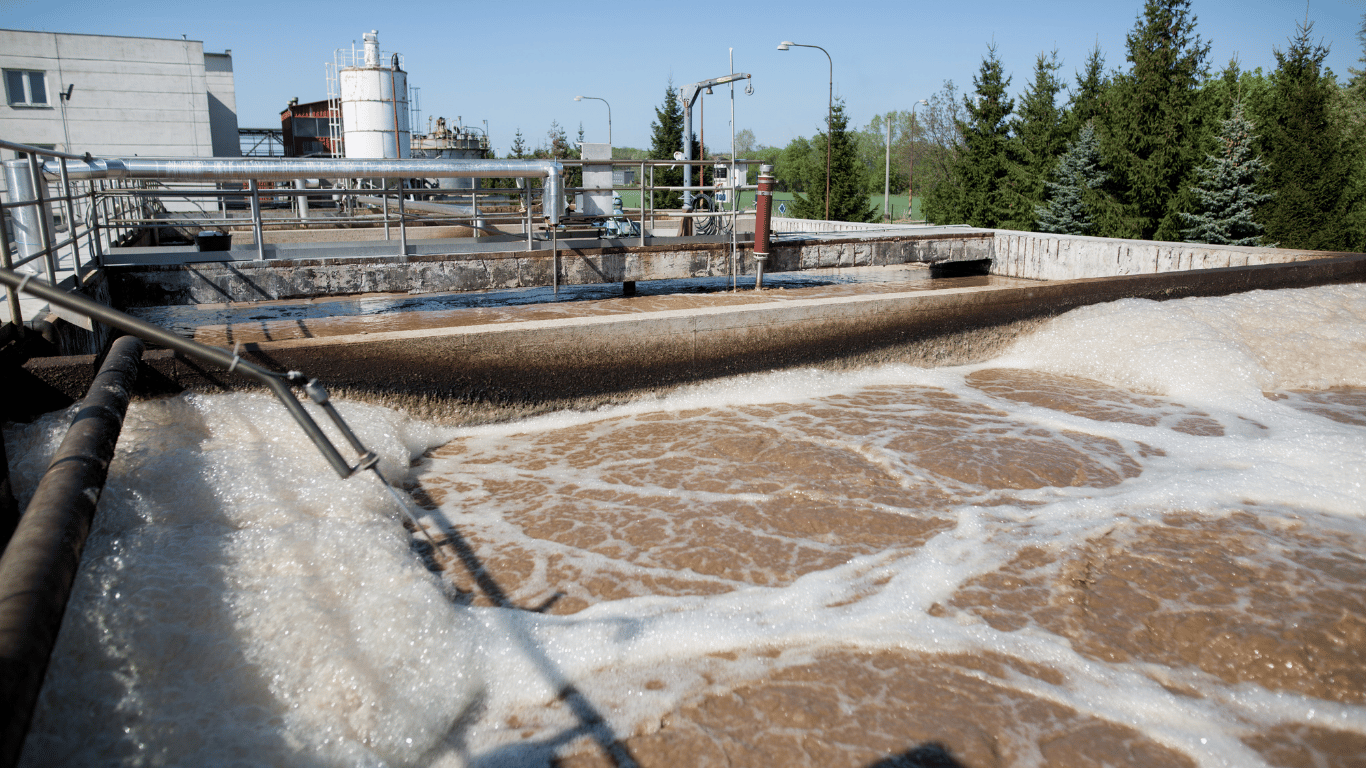
Odor emissions occur when volatile chemical compounds and other odor-causing substances enter the atmosphere. Wastewater treatment plants and other water treatment facilities can generate noticeable odors during normal operations, making odor management an important part of facility performance. Strong or persistent odors can affect local air quality, quality of life, and the experience of nearby communities. For operators, recurring odor pollution can also signal changing conditions within a wastewater system.
People do not always perceive the same odor in the same way. Individual sensitivity can vary even when people encounter the same concentration of odorants. That makes odor a practical concern as well as an environmental one. Understanding how odors behave around a facility gives operators a clearer starting point for identifying potential problems and managing their impact.
Where Odor Emissions Come From
Wastewater collection networks and treatment processes can create several odor sources. Sewers, equalization tanks, clarifiers, digesters, and sludge handling areas can release odorous gases as wastewater moves through the system. Anaerobic decomposition plays a major role because microorganisms break down organic matter without oxygen and generate sulfur-based compounds. Hydrogen sulfide ranks among the most recognizable odorants from wastewater and can escape when treatment conditions allow it to accumulate. Operators should also consider how wastewater systems change during low flow, stagnant conditions, or process upsets.
Ammonia provides another important source of odor pollution generated around wastewater treatment plants. Concentrations can approach 4.9 ppm near some wastewater treatment plants and may exceed that level near digesters during malfunction scenarios. Volatile organic compounds can also contribute to odors because wastewater may contain numerous carbon-based compounds that transfer into the air. Biological activity can influence these conditions as well. Facilities dealing with persistent biological growth can review R2J’s guide to biofilm in water for additional context on how biological activity can affect water treatment conditions.
Odor emissions can also come from area sources and fugitive emissions that escape from industrial operations rather than a single defined outlet. Agriculture, livestock operations, and industrial manufacturing can release ammonia, volatile organic compounds, and other odorous gases. As a result, operators should look beyond individual tanks or process units when investigating a recurring odor problem. Mapping wastewater collection points, sewer conditions, process areas, and nearby operations can help teams identify the most likely odor source and understand how different compounds contribute to the overall odor profile.
Why Odor Concentration Does Not Tell the Whole Story
Odor perception can vary significantly from one person to another, even when people encounter the same concentration of odorants. An odor threshold represents the lowest concentration at which a person can detect a particular compound, but detection does not necessarily indicate strong odor intensity. Hydrogen sulfide provides a clear example. It has an extremely low olfactory threshold of approximately 0.47 ppb, so people can detect it at very small concentrations. Ammonia and other compounds have their own thresholds and odor characteristics, which makes odor assessment more complex than measuring one substance alone.
For this reason, odor concentration does not always directly predict perceived intensity. Facilities can use odor units, commonly expressed as ouE/m³, to describe the concentration of an overall odor rather than focusing only on individual compounds. Dynamic olfactometry measures how much an odor sample must be diluted before a trained panel can no longer detect it. Meanwhile, chemical analysis can identify specific odorants and quantify their concentrations in ambient air. Using both approaches gives operators more useful odor measurements and a clearer understanding of what people may actually experience.
How Weather and Air Movement Affect Odor Dispersion
An odor source does not affect every nearby location in the same way. Atmospheric conditions determine how an odor plume moves through the air and where it reaches ground level. Wind speed and wind direction influence how quickly and where odors travel, while air movement, airflow, and turbulence can spread or dilute the plume. Temperature also affects volatilization and can change odor intensity, while high humidity may influence the release and perceived strength of certain odorants.
These environmental conditions matter most when sensitive receptors sit near a facility. Residential areas, businesses, schools, and other occupied locations can experience different odor concentrations depending on their distance and position relative to the source. Operators can use meteorological data to connect odor complaints with specific conditions and determine whether changes in wind direction, air velocity, or temperature coincide with recurring problems.
Dispersion modeling provides another way to understand these patterns. Gaussian dispersion models estimate pollutant dispersion and odor concentration based on source characteristics and meteorological conditions. AERMOD, for example, can predict how pollutants and odors disperse through the atmosphere across different terrain. These models help teams evaluate how an odor source may affect ambient air and sensitive receptors at ground level.
Measuring and Modeling Odor Emissions
Reliable odor measurements start with representative sampling. Operators should collect data from discrete points around potential sources, process areas, property boundaries, and other relevant locations. Measuring odor emission rates helps teams characterize how much odor a source releases, while chemical measurements can track specific air pollutants such as hydrogen sulfide. Consistent monitoring also helps operators compare changes in concentration against normal operating conditions.
Odor measurements can use dilution-to-threshold, or D/T, to describe how much an odor sample requires dilution before a panel can no longer detect it. Odor units provide another standardized way to express odor concentration. In some malfunction scenarios, odor concentrations can reach 4,171 ouE/m³, although actual values depend heavily on the source, operating conditions, and surrounding environment. These measurements give dispersion modeling a stronger foundation for estimating potential impacts.
Dispersion modeling combines emission rates with meteorological data to predict pollutant concentrations in ambient air and assess potential risk at sensitive locations. A monitoring program can also track hydrogen sulfide concentrations over time, helping teams recognize recurring patterns or sudden changes. Facilities that want to connect monitoring data with automated treatment responses can also explore R2J’s guide to water treatment automation for a closer look at automated monitoring and control.
Technologies for Controlling Odor Emissions
Effective odor control starts with understanding the source, measuring the compounds involved, and selecting technology that matches the treatment conditions. Source capture offers a practical first step because it encloses or collects odorous air before it reaches the surrounding environment. Proper airflow and pressure management can then direct captured air toward a treatment unit. This approach can limit fugitive releases while giving operators greater control over the compounds entering the air.
Chemical treatment provides another option, particularly when hydrogen sulfide and other reactive substances drive odor problems. Chemical scrubbers use reactive solutions to remove or neutralize odorants from an air stream. Liquid phase odor control can target hydrogen sulfide release within wastewater, while vapor phase odor control treats odor-causing compounds after they enter the air. The right chemical treatment depends on the concentration, compounds present, airflow, and operating conditions.
Other technologies can target specific odor profiles. Activated carbon adsorbs volatile organic compounds and other odor molecules from air, making it useful for certain vapor streams. Biofilters use microorganisms to metabolize odorants into less harmful byproducts. Facilities may combine these technologies with source capture or other end-of-pipe controls when one treatment method cannot address the full range of air pollutants. Operators should evaluate concentration, source characteristics, airflow, and treatment effectiveness before selecting a control strategy.
Building an Effective Odor Monitoring and Control Program
A practical monitoring program starts with a clear inventory of potential odor sources. Operators should identify process areas, track odor complaints, and compare those reports with wastewater conditions, operating changes, and environmental conditions. Regular hydrogen sulfide monitoring can provide useful data where this compound contributes to odor concerns. Teams should also record weather conditions and odor measurements so they can recognize variations and connect recurring problems with specific operating patterns. Regular inspections of control equipment can further reduce the risk of unnoticed performance changes.
Continuous parametric monitoring can help identify deterioration in control devices before it becomes a larger problem. Electronic noses use sensor arrays to monitor complex gases in real time and can provide another layer of information for facilities that need ongoing surveillance. Still, operators should avoid relying on isolated readings. Looking at trends across the facility, nearby receptors, operating conditions, and monitoring data provides a more useful picture. For additional information on monitoring equipment, see R2J’s guide to water treatment sensors. A successful program ultimately combines source identification, measurement, modeling, and control.
Practical Steps for Reducing Odor Problems
Start with the basics. Identify and document potential odor sources across the wastewater collection and treatment system, then measure key odorants such as hydrogen sulfide. Review operating conditions and track temperature, humidity, wind speed, and wind direction alongside odor complaints. When recurring issues affect nearby sensitive receptors, dispersion modeling can help determine how emissions move through the air and where they may create greater risk.
From there, choose control measures that match the source and treatment conditions. Source capture, chemical treatment, adsorption, biological treatment, and other technologies can each address different odor problems. Keep monitoring after installation so your team can verify effectiveness and catch changes before they become persistent issues. Need help evaluating your facility’s wastewater treatment conditions, monitoring requirements, or odor control options? Talk with R2J Chemical Services about a practical strategy for managing odor emissions.
Frequently Asked Questions (FAQ)
What are odor emissions from wastewater treatment plants?
Odor emissions from wastewater treatment plants come from compounds released into the air during collection and treatment. Hydrogen sulfide, ammonia, and volatile organic compounds can contribute to odorous gases and noticeable wastewater odors.
How does weather affect odor dispersion?
Wind speed, wind direction, temperature, humidity, and turbulence influence how odor dispersion occurs. These meteorological conditions affect air movement and determine how an odor plume travels through the atmosphere.
How do facilities measure odor concentration?
Facilities can use dynamic olfactometry to measure odor concentration in odor units, commonly expressed as ouE/m³. The method uses a dilution factor and detection threshold to evaluate odor measurements.
What technologies can control odors from wastewater systems?
Facilities can use source capture, chemical scrubbers, activated carbon, biofilters, and other treatment technologies. Liquid phase odor control can target hydrogen sulfide, while vapor phase odor control can address compounds in air.
Can odor emissions affect health and quality of life?
Odor pollution can affect quality of life, especially for people near sensitive receptors who experience recurring odor complaints. Some air pollutants can create health risks at sufficient exposure levels. Long-term exposure to certain pollutants may contribute to respiratory effects, while some volatile organic compounds can cause symptoms such as appetite loss. Health effects depend on the specific pollutant, concentration, toxicity, and exposure conditions, so odor alone does not establish a specific health outcome such as asthma.

 Tony Toscano