What is a corrosion inhibitor?
Jul 23, 2021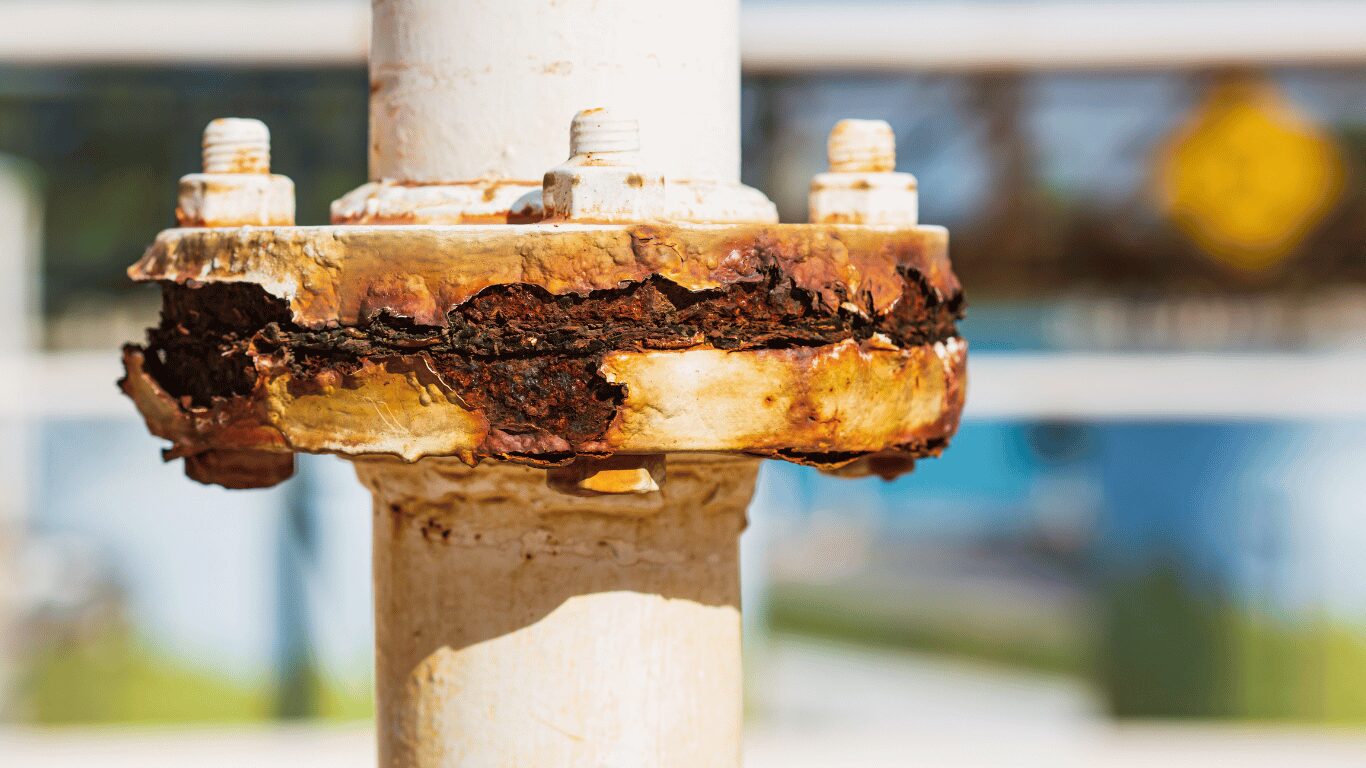
Corrosion in piping, boilers, cooling towers, and other water-using equipment is a common challenge for industrial and commercial facilities. Left untreated, corrosion can lead to equipment failure, unplanned downtime, reduced energy efficiency, costly repairs, and shorter asset life. Implementing an effective water treatment program with the right corrosion inhibitors helps protect critical systems, improve reliability, and reduce long-term operating costs.
Why Does Corrosion Occur?
Corrosion is the gradual deterioration of metal caused by chemical or electrochemical reactions between the metal and its environment. In water systems, corrosion can weaken pipes, heat exchangers, valves, and other equipment, eventually causing leaks, pitting, or structural failure.
Several factors contribute to corrosion, including:
- Dissolved oxygen, carbon dioxide, chlorides, and other contaminants that accelerate chemical reactions with metal surfaces.
- Improper water chemistry, including low or high pH, high conductivity, or imbalanced dissolved minerals.
- Elevated temperatures that increase reaction rates and place additional stress on equipment.
- High flow velocities or pressure fluctuations that can wear away protective surface films and expose fresh metal to corrosion.
- Microbiological activity that contributes to microbiologically influenced corrosion (MIC) in certain systems.
How Do Corrosion Inhibitors Work?
Corrosion inhibitors are specialty chemicals added to water treatment systems to reduce the rate of metal corrosion. Depending on the application, they work by forming a protective film on metal surfaces, stabilizing water chemistry, or limiting the electrochemical reactions that cause corrosion.
Selecting the right corrosion inhibitor depends on several factors, including water quality, system design, operating temperature, metallurgy, and the specific equipment being protected. Because every system is different, comprehensive water testing and routine monitoring are essential to determine the appropriate treatment program and chemical dosage.
When combined with proper system maintenance and ongoing water analysis, corrosion inhibitors help extend equipment life, improve operational efficiency, reduce maintenance costs, and minimize unexpected downtime.
R2J Specializes in Corrosion Prevention for Commercial & Industrial Facilities
Since 1982, R2J has provided customized chemical water treatment solutions for commercial and industrial facilities across a wide range of industries. Our experienced team develops tailored corrosion control programs based on your system’s operating conditions, water chemistry, and performance goals.
Need protection for boilers, cooling towers, closed-loop systems, or process water equipment? R2J can help you implement a reliable treatment program that improves system performance and extends equipment life. Contact us today to learn more about corrosion inhibitors and the right water treatment solution for your facility.

 Ed Sobolewski