Hospital Water Treatment and Infection Control
Jul 24, 2026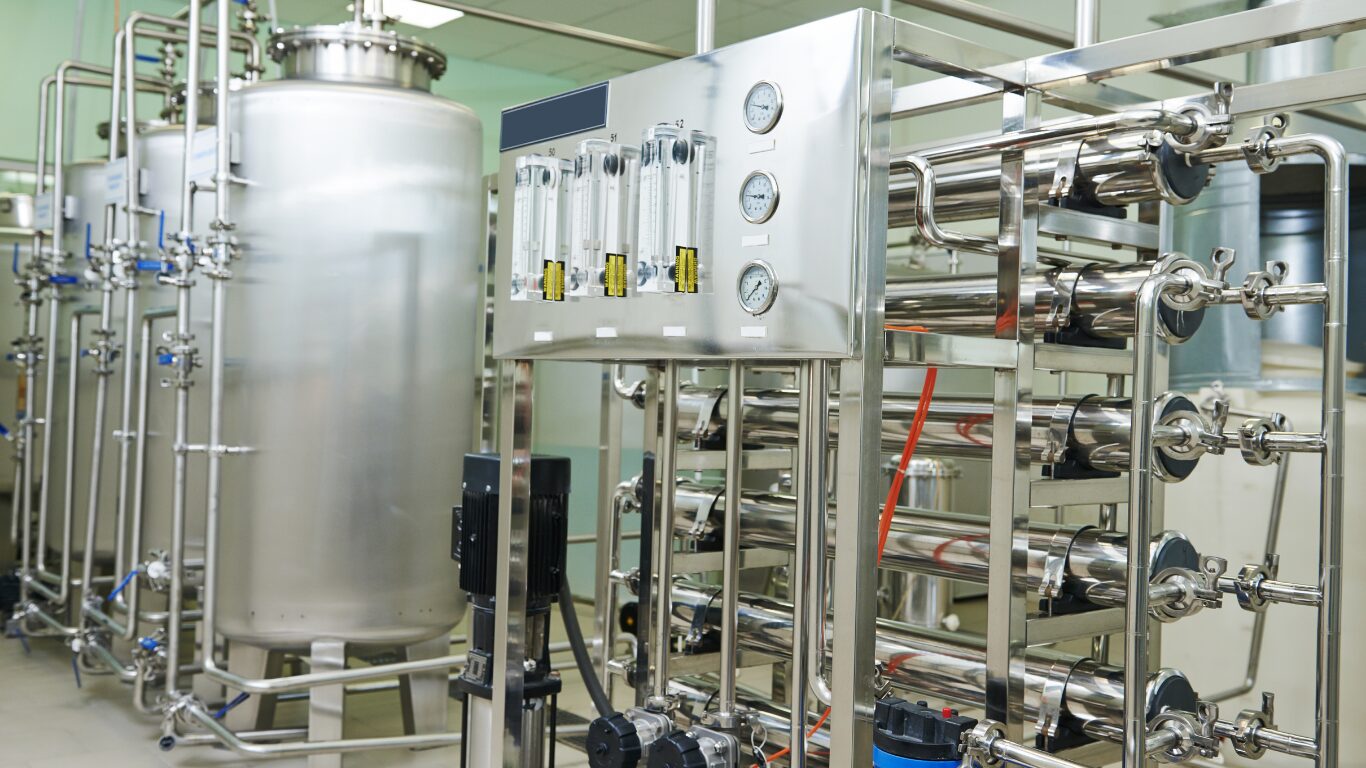
Every day, hospitals rely on safe, reliable water for patient care, cleaning, sterilization, and countless other essential tasks. That is why hospital water treatment plays such an important role in protecting patient safety and supporting effective infection control across healthcare facilities. Even water that meets drinking standards can present risks to vulnerable patients if a facility does not manage it properly. We believe every healthcare team should understand how water quality affects daily operations. In this guide, we’ll walk you through the fundamentals of water treatment, common risks to watch for, and practical strategies that help maintain clean water throughout your facility.
Why Hospital Water Treatment Matters
Water supports almost every part of a hospital. Teams use it for hand washing, patient hygiene, sterilization, food preparation, laboratory work, dialysis, heating systems, and countless cleaning tasks. Because so many daily operations depend on safe water, maintaining excellent water quality should remain a priority across every facility. Reliable water systems help healthcare teams deliver consistent care while protecting both equipment and the people who rely on it.
One challenge many people overlook is that potable water is not always free of harmful bacteria or other pathogens. While municipal supplies generally meet drinking water standards, microorganisms can still enter or grow within building plumbing if conditions allow. This creates a greater risk for vulnerable patients, especially those with weakened immune systems. In these healthcare settings, waterborne pathogens have been linked to healthcare-associated infections, making proactive monitoring an important part of infection prevention.
We always recommend building a comprehensive water management program rather than reacting after problems appear. Strong programs help healthcare facilities identify potential hazards, monitor critical control points, and respond before issues affect patient safety. They also support regulatory compliance and encourage continuous improvement. When hospitals prioritize clean water as part of their overall approach to health, they create a safer environment for patients, staff, and visitors alike.
Common Water Risks Inside Hospitals
Water can become a hidden source of infection when hospitals overlook routine monitoring and maintenance. Legionella is one of the best-known pathogens because it can multiply in building plumbing and spread through tiny water droplets. Biofilms also create a serious risk. These thin layers of bacteria, organic material, and other germs protect microorganisms from disinfectants, making them more difficult to eliminate. If you’d like to learn more about preventing this issue, read our guide on biofilm in water.
Several water sources deserve close attention, including ice machines, sinks, showers, and drains. Ice that appears clean may still support bacterial growth if equipment is not cleaned and maintained properly. Sinks and drains can also harbor multidrug-resistant organisms, which increase the potential for contamination in nearby patient care areas. Teams should inspect these locations regularly and address problems before they spread throughout the facility.
Water temperature also plays an important role in infection prevention. Warm, stagnant water encourages microbial growth, while properly managed hot and cold water systems help reduce the likelihood of bacterial colonization. Hospitals should also include cooling towers in their water management plans because they can support Legionella if operators neglect treatment and cleaning. Maintaining proper chlorine residuals, monitoring temperatures, and following a structured maintenance program all work together to reduce risk and protect patients.
How Hospitals Treat Water for Different Applications
Different hospital departments have different water quality requirements, so one solution rarely meets every need. Most healthcare facilities rely on multiple water treatment solutions that work together to produce water suitable for patient care, equipment operation, and specialized clinical procedures. Choosing the right water treatment system depends on how the water will be used and the level of purity required.
One of the most common technologies is reverse osmosis. Modern reverse osmosis systems remove dissolved salts, calcium and magnesium ions, bacteria, and other impurities, producing high purity water for dialysis and sterile processing. This process plays a vital role in removing contaminants from water used in sensitive applications where patient safety depends on consistent quality. Hospitals also use ultrafiltration to capture suspended solids and microorganisms, while ultraviolet disinfection inactivates bacteria without adding extra chemicals. Some facilities incorporate Electro-Deionization (EDI) when applications require even greater purity. If you’d like to learn more about membrane technologies, explore our guide on types of membrane filtration.
Not every application requires ultra-pure water. Softening systems remove calcium and magnesium ions that cause hard water, helping prevent scale from forming inside boilers, piping, and valuable medical devices. Hospitals may also use carefully controlled ozone and chlorine treatment to strengthen disinfection where appropriate. Together with effective water filtration, these technologies support reliable sterilization, protect critical devices, reduce maintenance demands, and ensure each area of the facility receives the water quality it needs.
Building a Reliable Hospital Water Management Program
An effective water management program does more than maintain equipment. It helps protect patients, staff, and visitors from waterborne hazards throughout the facility. We recommend building your program around recognized industry standards, including ANSI/ASHRAE Standard 188, which outlines best practices for controlling Legionella and other risks in building water systems. A Water Infection Control Risk Assessment (WICRA) is another valuable process because it identifies where exposure could occur and helps teams prioritize preventive measures. For a closer look at comprehensive prevention strategies, read our guide on Legionella management water safety systems.
Continuous monitoring is just as important as the initial assessment. Teams should track water quality, temperatures, disinfectant levels, and water usage, then keep detailed documentation of inspections, testing results, corrective actions, and system updates. These records demonstrate compliance, support audits, and make it easier to identify trends before they become larger problems. Regular reviews also help ensure the program continues to meet stringent safety standards as the facility changes over time.
Successful programs also depend on routine maintenance and proactive equipment maintenance. We encourage healthcare teams to inspect treatment equipment, storage tanks, and distribution systems on a scheduled basis rather than waiting for failures. Emergency response plans should also address water supply interruptions so critical services can continue without compromising patient care. Keeping these key considerations in mind helps maintain reliable operations, strengthens overall management, and supports a safer healthcare environment.
Strengthening Water Safety Across Your Facility
Strong water management is not a one-time project. It requires ongoing attention to equipment, changing operating conditions, and the unique demands of each facility. We recommend reviewing your water treatment strategy regularly, verifying that treatment programs continue to meet performance goals, and adjusting them as your building or healthcare services evolve. This proactive approach helps maintain reliable systems, supports consistent clean water, and reinforces the importance of preventive planning instead of reactive repairs.
Protecting every part of the water system also means looking beyond drinking water. Boiler systems, cooling equipment, and wastewater processes all benefit from appropriate chemicals and tailored water treatment solutions that reduce scale, corrosion, and biological growth. Investing in preventive maintenance often lowers the long-term cost of ownership by extending equipment life, reducing emergency repairs, and improving operational efficiency. Small improvements made today can prevent much larger expenses tomorrow.
Every hospital has different water quality challenges, but one principle remains essential. Build a program that emphasizes monitoring, maintenance, documentation, and continuous improvement. Taking these steps creates a stronger foundation for infection control while protecting both patients and critical infrastructure. Evaluating your current water management strategy or planning upgrades? Contact us. Our team at R2J Chemical Services can help you assess your systems, identify practical improvements, and develop a treatment program that supports safer, more reliable healthcare operations for the long term.
Frequently Asked Questions (FAQ)
Can reverse osmosis remove antibiotics and pesticides from hospital water?
Yes, reverse osmosis systems are highly effective at reducing many dissolved contaminants, including certain antibiotics, pesticides, salts, and other pollutants. However, reverse osmosis works best as part of a complete treatment process that may also include filtration, disinfection, and routine monitoring. Hospitals should always verify treated water quality based on the intended application, especially when water supports critical patient care.
Why is boiler water treatment important in hospitals?
A hospital boiler provides reliable steam and heating for many essential operations, including sterilization and space conditioning. Without proper treatment, dissolved minerals can form scale, reducing heat transfer and increasing energy use. Appropriate chemicals help control corrosion, scale, and deposits, allowing boiler systems to operate more efficiently while reducing unexpected downtime.
How do hospitals manage wastewater safely?
Hospitals manage wastewater through a combination of source control, treatment processes, and regulatory compliance. Effective management helps reduce the release of harmful substances before discharge, lowering the risk of pollution and protecting the surrounding environment. Facilities also monitor wastewater quality to confirm their systems continue performing as expected.
Can hard water damage hospital equipment?
Yes. Hard water contains dissolved minerals that can leave scale deposits inside piping, sterilizers, boilers, and other critical equipment. Over time, these deposits reduce efficiency, increase maintenance requirements, and shorten equipment life. Water softening and regular monitoring help prevent these issues before they become costly repairs.
How often should hospitals inspect their water treatment systems?
Inspection frequency depends on the application, system complexity, and applicable industry standards, but hospitals should never rely on occasional checks alone. A program built around routine maintenance, scheduled equipment maintenance, and regular testing helps maintain consistent water quality throughout the facility. Many critical systems require continuous monitoring, while comprehensive inspections should follow a documented maintenance schedule.

 Nick Planin