Understanding Brackish Water Treatment Processes
Dec 23, 2025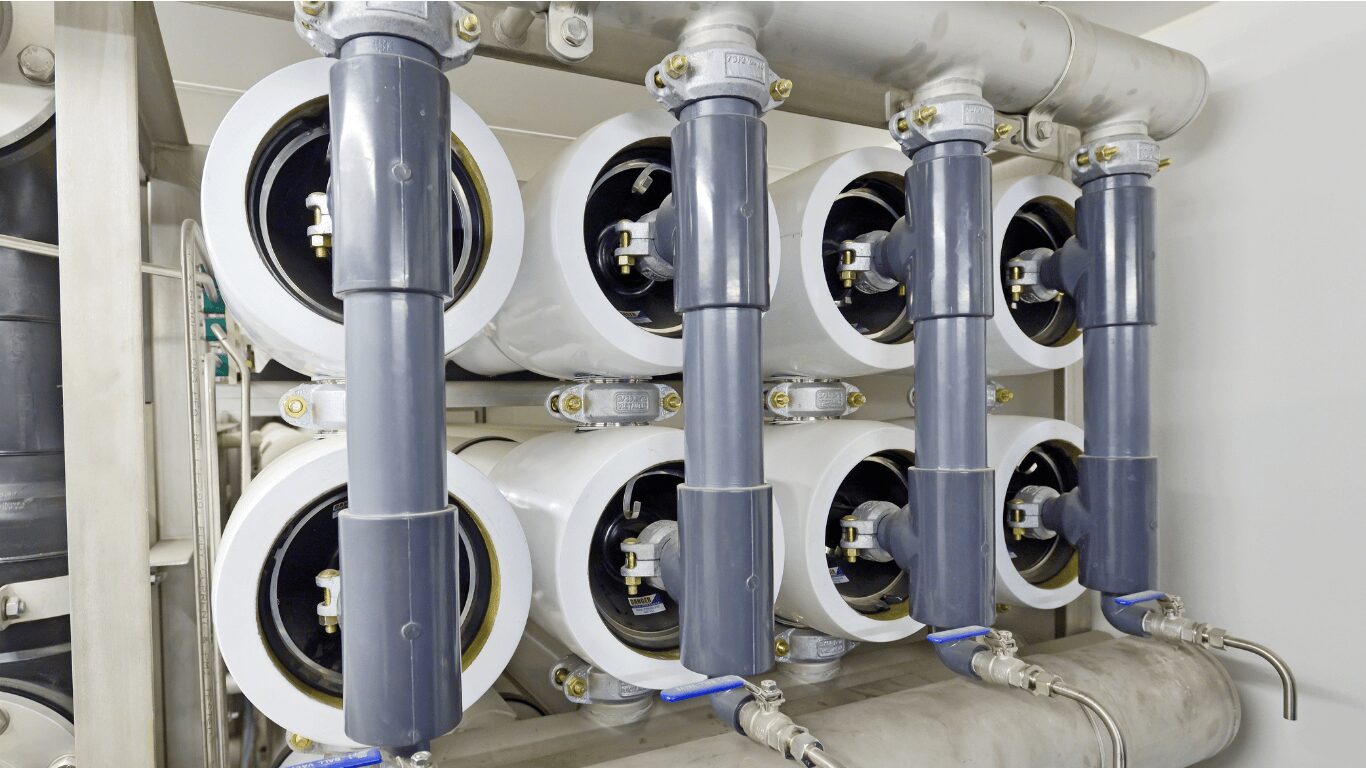
Brackish water treatment is becoming increasingly important as freshwater supplies grow scarce. Brackish water, which sits between fresh and seawater in salinity, can be found in estuaries, coastal aquifers, and certain underground sources. Without proper water treatment, these sources remain unsuitable for drinking or industrial use.
Teams managing water systems should understand the unique challenges brackish water presents, from dissolved salts to other impurities, and how tailored treatment strategies can transform it into safe, usable water. Understanding these basics is the first step toward effective, sustainable water management.
What Is Brackish Water?
Brackish water is water with salinity levels between fresh water and seawater, typically containing 1,000 to 10,000 parts per million of dissolved salts. It often originates from brackish groundwater, estuaries where rivers meet the sea, or other brackish water sources affected by natural or human-driven salt intrusion.
While it may look similar to fresh water, the presence of dissolved mineral salts and other contaminants makes it unsuitable for most drinking or industrial purposes without proper treatment. Treating brackish water ensures it meets safety standards for consumption, protects equipment in industrial systems, and helps preserve scarce freshwater resources for communities and agriculture.
Challenges of Brackish Water
One of the main challenges in managing brackish water is its high salts content and elevated total dissolved solids, which can cause scaling, corrosion, and damage to pipes and equipment. Other contaminants may include organic matter, suspended solids, and trace minerals that complicate treatment processes. For agriculture, using untreated brackish water can lead to salt-affected land and hinder saline agriculture efforts.
Operators should regularly monitor salinity levels, pressure, and overall system performance to prevent long-term damage. Implementing proper pretreatment and ongoing water treatment strategies is essential. Learn more about sustainable approaches in our guide on sustainable water treatment.
Brackish Water Treatment Methods
Treating brackish water requires strategies that effectively remove excess salts and contaminants to produce safe fresh water. The most widely used method is reverse osmosis, specifically brackish water reverse osmosis, which relies on high-pressure osmosis systems to push water through semipermeable membranes, separating dissolved salts and impurities. Before this step, pretreatment is crucial: removing suspended solids and other contaminants prevents membrane fouling and maintains system efficiency.
Other techniques, used in specific situations, include solar distillation, which uses sunlight to evaporate and condense water, and multistage flash distillation, which separates salts through repeated heating and condensation. Combining proper pretreatment with the right desalination technology allows operators to consistently treat brackish water for drinking, industrial, or agricultural use while maximizing system performance.
Reverse Osmosis Systems for Brackish Water
High-pressure reverse osmosis systems are the backbone of modern brackish water treatment. Water is forced through membranes with small pores that block salts and impurities, producing clean, usable water. These systems can achieve high recovery rates, efficiently transforming brackish sources into fresh water while minimizing waste.
To maintain optimal system performance, operators should monitor pressure, flow rates, and water quality regularly. Proper regular maintenance, including membrane cleaning and replacement, prevents fouling and ensures longevity. Integrating automated controls can further improve efficiency, reduce manual oversight, and detect early signs of issues.
For facilities seeking advanced monitoring strategies, our guide on water treatment automation provides practical insights for consistent, reliable operation.
Benefits of Brackish Water Treatment
Effective brackish water treatment provides access to safe drinking water, helping communities and industries overcome water scarcity. Treated water protects freshwater aquifers from overuse and reduces reliance on limited surface water sources. Both small and large-scale operations benefit from improved system reliability, lower operational costs, and consistent water quality.
Beyond operational advantages, treated brackish water supports food security by enabling sustainable irrigation in areas where freshwater is scarce and protects the environment by preventing saltwater intrusion into soils and ecosystems. Teams that prioritize proper treatment contribute to both long-term resource management and community resilience.
Implementing Brackish Water Treatment at Your Facility
Teams managing brackish water systems should closely monitor pressure, salinity levels, and overall system performance to catch issues early. Proper pretreatment, regular water chemistry checks, and routine maintenance are essential to prevent membrane fouling, scaling, and other operational problems. Small adjustments in operation can significantly extend the life of a system and maintain optimal performance.
For facilities looking to enhance efficiency and reliability, integrating a well-designed chemical feed strategy can make a substantial difference. Need guidance on building an effective brackish water system? Connect with R2J to design a plan that ensures efficiency, safety, and long-term performance, including tailored chemical feed system solutions.
Frequently Asked Questions
Can brackish water be used for drinking water?
Yes, with proper brackish water treatment, brackish sources can be converted into safe drinking water. Treatment removes excess dissolved salts, suspended solids, and other contaminants, making it suitable for consumption and industrial use. Operators often monitor salinity and system performance to ensure water quality meets standards.
What are the main contaminants in brackish water?
Brackish water typically contains elevated levels of dissolved salts, trace minerals, and sometimes organic matter or briny water. These impurities can affect equipment, taste, and safety, which is why desalination and pretreatment are essential for both drinking and operational applications.
How does desalination remove excess salt?
Desalination techniques, especially reverse osmosis, force water through membranes under high pressure. The membranes block dissolved salts and other contaminants, producing fresh water while separating brine for safe disposal. Proper system design ensures high efficiency and manageable operational costs.
Are there small-scale brackish water treatment options?
Yes, compact reverse osmosis systems and portable desalination units can treat fresh river water, brackish groundwater, or other small brackish water sources. These systems are ideal for developing regions or facilities with limited space, providing flexibility and consistent water quality.
What maintenance is required for reverse osmosis systems?
Routine checks include monitoring salinity, pressure, and water flow, inspecting membranes for fouling, and replacing worn components. Proper care protects freshwater aquifers, ensures system longevity, and maintains reliable output, whether for industrial, municipal, or small-scale operations.

 Ed Sobolewski