Water Chemistry Fundamentals for Treatment Programs
Jan 29, 2026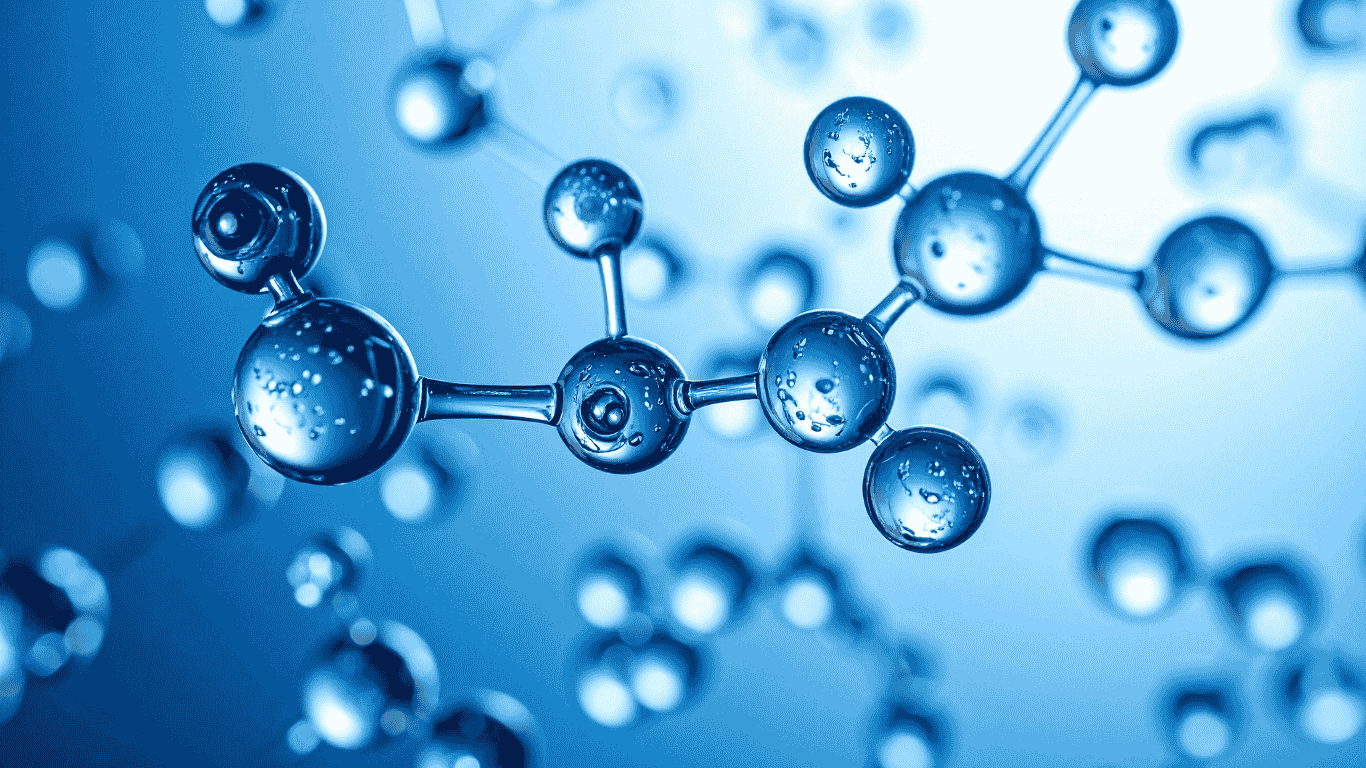
When we talk about water chemistry, we are really talking about how water behaves, how it interacts with other substances, and how those interactions shape the performance, safety, and reliability of the systems we operate every day. Whether we are dealing with cooling towers, boilers, closed loops, or drinking water systems, understanding the chemistry behind water gives us the ability to make smarter decisions, prevent costly problems, and extend equipment life.
At its core, water is a simple liquid, but its behavior becomes complex once it starts interacting with different chemicals, minerals, gases, and organic materials. These interactions influence corrosion, scale formation, biological growth, and energy efficiency. Even small changes in chemistry can shift how substances dissolve, react, or settle, and those shifts can have real operational consequences inside piping, heat exchangers, and storage tanks.
Operators, engineers, and facility teams often see the symptoms first, fouling, deposits, leaks, or unstable system performance. The root cause, however, usually traces back to changes in water chemistry. Understanding these fundamentals helps teams gain better control over their treatment programs, improve system stability, and reduce unexpected downtime. That foundation is what allows treatment strategies to move from reactive fixes to proactive system management.
Understanding the Water Molecule and Its Unique Chemical Structure
Everything we experience in water chemistry starts with the structure of the water molecule itself. One water molecule is made up of two hydrogen atoms and one oxygen atom, joined together through bonds that shape how water behaves. These atoms are covalently bonded, meaning they share electrons rather than fully transferring them. This sharing of electrons, combined with the different electrical properties of hydrogen and oxygen, gives water its distinctive chemical structure and sets the stage for its unusual characteristics.
At the atomic level, each atom contains atomic nuclei surrounded by electrons. In the case of oxygen, there are eight electrons arranged around its nucleus. When oxygen bonds with hydrogen atoms, it does not share these electrons evenly. The oxygen atom pulls slightly more strongly, creating an uneven distribution of electrical charge. This is why water is classified among polar molecules, with one side carrying a slight negative charge and the opposite side carrying a slight positive charge.
This polarity is a big reason why water behaves so differently from many other small molecules. Because charges are uneven, water molecules naturally attract each other and interact strongly with surrounding substances. This attraction influences everything from how water dissolves materials to how it flows, evaporates, and transfers heat. When you step back and look at just one water molecule, it may seem simple. In reality, its structure explains much of what makes water such a powerful and essential medium across industrial, commercial, and natural systems.
Hydrogen Bonding and the Physical Behavior of Water
One of the most important forces shaping water’s behavior is hydrogen bonding. Because water molecules are polar, they naturally attract one another, forming temporary bonds between the slightly positive hydrogen side of one molecule and the slightly negative oxygen side of another. These connections are not permanent, but they constantly form and break, creating a flexible yet highly organized network. This network gives water its unique ordered structure, even when it exists as liquid water.
These molecular attractions explain many of water’s unusual physical properties. For example, hydrogen bonding increases surface tension, allowing water to hold together across a larger surface area. This same attraction also influences how water changes phase. As temperatures drop toward the freezing point, molecular movement slows and the hydrogen bonds lock into a more rigid arrangement, shifting water into its solid form. In this solid state, the molecules space themselves farther apart than they do in the liquid state, which is why ice floats instead of sinking.
As conditions warm, ice melts, the ordered lattice loosens, and the molecules slide back into a denser liquid arrangement. This cycle of bonding, freezing, and melting is more than just a scientific curiosity. It plays a critical role in natural systems, industrial processes, and facility operations, influencing heat transfer, flow behavior, and energy efficiency throughout water-based systems.
Water in Its Three States: Solid, Liquid, and Gas
Water naturally exists in three states, liquid, gas, and solid state, and it shifts between them as energy moves in or out of the system. These phase changes are driven primarily by temperature and atmospheric pressure, both of which influence how tightly water molecules hold together. In everyday conditions, we experience water most often as a liquid, but even small changes in operating environments can push it toward freezing or evaporation.
When temperatures drop low enough, water freezes, locking molecules into a rigid structure. As heat is added, those bonds loosen, allowing water to flow freely again. Continue adding energy, and eventually water boils, transforming into water vapor, its gaseous form. The exact boiling point depends on surrounding pressure, which is why water behaves differently at high altitudes or inside pressurized industrial equipment.
These transitions matter far beyond basic science. In real-world systems, phase changes affect heat transfer efficiency, system pressure, and material stress. At high temperatures, rapid vapor formation can disrupt flow patterns, damage components, and reduce system stability. Operators who understand how water moves between liquid, gas, and solid forms are better equipped to control energy usage, protect equipment, and maintain safe operating conditions across boilers, cooling loops, and other process systems.
Dissolved Substances and How Water Acts as a Universal Solvent
One of water’s most remarkable traits is its ability to dissolve a wide variety of substances, earning it the title of a “universal solvent.” In industrial, commercial, and natural systems, water rarely exists in its pure form. Instead, it carries dissolved substances, from minerals and salts to gases and organic chemicals, shaping its behavior and impact on equipment. Understanding what is dissolved in your system is essential for effective water chemistry management.
Common examples include dissolved salts like calcium and magnesium compounds, which contribute to hard water, and sodium ions, which influence conductivity and corrosion potential. Gases such as oxygen or carbon dioxide also dissolve readily. When carbon dioxide interacts with water, it forms carbonic acid, which can subtly shift pH and affect metal surfaces or chemical reactions. Even trace other substances, like small organic molecules, can change how water interacts with materials, surfaces, and biological systems.
The concentration of these dissolved components is crucial in both freshwater and marine contexts. Salt water or sea water, for example, contains high levels of dissolved salts that dramatically alter density, freezing points, and corrosion potential compared with ordinary fresh water. In industrial systems, high levels of dissolved substances can cause scaling, deposits, or fouling, while in environmental or drinking water systems, they influence taste, safety, and regulatory compliance. Operators who track aqueous solutions and dissolved content can make informed decisions, preventing system issues before they escalate and maintaining consistent water performance across processes.
Measuring Water Chemistry: pH, TDS, and Alkalinity Fundamentals
A key part of managing water chemistry is understanding how to measure its condition. Three fundamental metrics: water’s pH, total dissolved solids (TDS), and alkalinity provide insight into water quality and how it will behave in a system. Each of these measurements tells a story about chemical balance and potential issues before they become costly problems.
The pH scale ranges from 0 to 14 and indicates how acidic or basic water is. Monitoring pH values is critical because water that is too acidic can corrode metal, while water that is too alkaline can form scale deposits. Maintaining a pH stable environment ensures that both metals and chemicals in a system interact safely and efficiently. Small adjustments can be made using common substances; for example, baking soda can raise pH slightly, while specialized acids can lower it.
Total dissolved solids, usually measured in mg l, represent the combined content of all dissolved minerals, salts, and ions. High TDS can indicate hardness or excessive dissolved salts, both of which can affect efficiency and scaling. Alkalinity measures the water’s buffering capacity, or its ability to resist sudden pH changes. Systems with stable alkalinity handle chemical dosing better and avoid abrupt swings that stress equipment.
Regularly measuring these factors allows teams to gain a clear view of water behavior, can adjust treatment strategies proactively, and ensure that alkaline water or other chemically adjusted solutions remain effective and safe throughout the facility. This is a cornerstone of any successful water treatment program.
Water Hardness, Scale Formation, and Mineral Control
One of the most common challenges in water chemistry is water hardness, caused by dissolved minerals like calcium and magnesium. When water contains high levels of these minerals, it is referred to as hard water, and it can create deposits that interfere with equipment performance. Hard water often leads to calcium carbonate scaling inside pipes, boilers, and heat exchangers, reducing efficiency and increasing maintenance needs.
Even ordinary water or most tap water contains some level of hardness. Over time, these minerals precipitate out of solution and form stubborn scale, which acts like an insulating layer on heat transfer surfaces. This buildup not only increases energy consumption but also puts stress on pumps, valves, and other system components. Operators often notice reduced flow or unusual noises as early warnings of mineral accumulation.
Controlling hardness requires consistent treatment. Many facilities turn to water softeners, which remove calcium and magnesium ions through ion exchange, replacing them with sodium ions to produce soft water. Softened water reduces scale formation, prolongs equipment life, and improves chemical efficiency in other water treatment processes. For a deeper understanding of how hardness affects systems and how softening works, check out this guide on what is hard water. Proper management of dissolved minerals is essential for maintaining system reliability and avoiding costly repairs over time.
Water Sources and Treatment Objectives
Understanding where your water comes from is the first step in effective water chemistry management. Every system begins with a water source, which can include tap water, surface water from water bodies, well water, or even seawater. Each source carries its own set of minerals, dissolved gases, and organic matter, creating a broad range of chemical characteristics that influence treatment strategies.
For industrial and facility applications, the quality of incoming water directly affects equipment performance and operational stability. Drinking water and tap water are typically treated to meet safety and taste standards, but they may still contain minerals or chemicals that cause scaling, corrosion, or biological growth. In specialized systems, additional purification is often required, producing purified water or distilled water to meet stringent operational or regulatory requirements.
Operators and water treatment teams need to evaluate the source carefully, measuring hardness, pH, and dissolved content before applying treatment programs. By matching the treatment strategy to the specific water source, facilities can prevent scale, corrosion, and fouling, maintain energy efficiency, and extend equipment life. Ultimately, knowing your water’s origin sets the foundation for a safe, reliable, and cost-effective treatment program.
Industrial Systems and the Role of Water Chemistry
In industrial systems, water chemistry directly impacts performance, efficiency, and safety. Water interacts with biological systems and can support biological activity, such as microbial growth, if not properly managed. Even small changes in pH, hardness, or dissolved chemicals can alter water’s ability to transfer heat, dissolve minerals, or prevent corrosion, affecting both large-scale systems and small quantities of water used in precise operations.
Boilers, cooling towers, pumps, and piping all rely on water that is chemically balanced. Hard water or high levels of dissolved salts can form scale on heat transfer surfaces, reduce flow efficiency, and shorten equipment life. In closed-loop systems, untreated water can circulate repeatedly, amplifying the effects of deposits, corrosion, and microbial growth. Operators often notice issues first in temperature fluctuations or unusual noises, which are early warnings that chemistry has shifted.
Managing water chemistry in industrial setups means monitoring temperature, surface area exposure, and the concentration of chemicals or minerals at every stage. Proper treatment reduces the risk of scaling, fouling, and corrosion, while keeping biological activity in check. For guidance on maintaining water quality in recirculating systems, this resource on industrial water pump and closed-loop management provides practical strategies for operators and facility teams. When water chemistry is managed effectively, systems run more efficiently, safely, and with fewer interruptions.
Membrane Systems and Advanced Purification Methods
For facilities that require high-purity water, advanced treatment methods like reverse osmosis are essential. This process uses semipermeable membranes to remove dissolved salts, minerals, and other impurities from aqueous solutions, producing water that meets strict operational standards. The result is purified water with extremely low total dissolved solids, often measured in mg l, suitable for sensitive equipment, laboratory applications, or specialty industrial processes.
Unlike standard filtration, reverse osmosis targets ions and microscopic contaminants, effectively reducing hardness, scaling potential, and chemical interference in systems. In some cases, water is further refined to distilled water, where all dissolved minerals are removed through evaporation and condensation, creating an ultra-pure product for critical applications.
Implementing membrane-based purification allows teams to maintain consistent water quality, protect equipment, and optimize chemical dosing. For operators looking to understand how this technology works in practice and how it can be applied to facility water systems, see our detailed guide on reverse osmosis water treatment. Using these systems strategically ensures that water chemistry supports efficiency, longevity, and operational reliability.
Legionella, Microbiology, and Safety Considerations
Water chemistry affects biological systems and biological activity within a facility. Microorganisms, including bacteria like Legionella, thrive in warm, nutrient-rich water if conditions allow. Factors such as temperature, dissolved oxygen, and the presence of certain chemicals determine whether these microbes remain under control or multiply, creating potential health and safety risks.
Facilities with cooling towers, hot water systems, or storage tanks are especially vulnerable. Operators often notice biofilm buildup or unusual odors as early warning signs of microbial growth. Regular monitoring of oxygen levels, pH, and disinfectant concentrations helps keep biological activity in check, reducing the risk of contamination. Effective treatment programs balance chemical dosing with physical cleaning and system maintenance, maintaining safe water environments without overusing harsh chemicals.
Understanding these principles is critical not only for compliance but also for protecting employees, guests, and equipment. Teams should integrate water chemistry monitoring into routine safety checks and adopt proactive strategies to minimize microbial risks. For guidance on testing and controlling bacteria in water systems, see our resource on Legionella testing. Staying ahead of biological activity ensures safer systems and smoother operations.
Building a Smarter Water Treatment Strategy
Creating an effective water treatment strategy starts with understanding your water chemistry and how it interacts with every part of your system. Teams often discover early issues by keeping an eye on water’s ability to carry heat, dissolve minerals, and maintain flow. Monitoring key indicators like water hardness, pH stable levels, and total dissolved solids helps operators spot trends before they become problems.
Routine testing is essential. Checking hardness, TDS, and pH regularly allows small adjustments, may that be chemical dosing, softening, or filtration, so systems remain efficient and reliable. Operators should also pay attention to temperature swings, equipment surface area exposure, and how chemicals are applied, since even minor changes can shift water behavior significantly.
A smarter strategy combines monitoring with action: identifying areas of buildup, verifying chemical performance, and adjusting processes to prevent scale, corrosion, or microbial activity. Teams that follow this approach spend less time reacting to issues and more time maintaining optimal performance.
Creating a Sustainable and Reliable Treatment Program
Building a water treatment program that lasts requires more than one-time fixes. Teams should focus on consistent monitoring, preventive maintenance, and adapting strategies as water quality changes over time. Understanding the interplay between hardness, pH, dissolved solids, and temperature allows operators to make informed adjustments before issues like scaling, corrosion, or microbial growth impact performance. Routine inspections, chemical dosing reviews, and attention to system feedback create a framework that keeps operations smooth and predictable.
Training staff to recognize subtle changes in water behavior, whether in small loops or large volumes, is equally important. Operators often catch early signs of trouble, such as unexpected temperature swings, unusual noises, or buildup on heat transfer surfaces before they escalate. A sustainable approach balances chemical treatment, mechanical cleaning, and operational discipline to protect equipment, reduce energy waste, and maintain safe water conditions.
Looking for expert guidance in developing a program that fits your facility’s unique needs? R2J Chemical Services can help. Our team works with operators to design strategies that improve system efficiency, minimize downtime, and maintain consistent water quality across all applications.
Frequently Asked Questions (FAQs)
What makes water a unique substance according to the American Chemical Society?
The American Chemical Society highlights water’s unusual properties, which stem from its ordered structure and polarity. Each water molecule has two hydrogen atoms and one oxygen atom, creating hydrogen bonds that affect density, surface tension, and how it interacts with other substances. These characteristics make water unlike most ordinary liquids and give it versatility for biological and industrial applications.
How does a water ionizer affect water chemistry?
A water ionizer changes water’s pH by separating it into acidic and alkaline streams. This alters water’s chemical balance, influencing how it interacts with dissolved minerals and its ability to support certain processes. While commonly used for drinking water, understanding these effects is important for both safety and system stability.
Why does ice float instead of sinking?
Ice floats because water expands as it freezes, forming a less dense solid compared with the liquid state. Hydrogen bonding creates a lattice that spaces molecules farther apart, meaning frozen water displaces less mass. This unique behavior protects aquatic life when water freezes in lakes or oceans.
How does atmospheric pressure influence boiling and evaporation?
The boiling point of water changes depending on atmospheric pressure. At higher elevations, lower pressure reduces the energy needed for water to transition from liquid to gas. Engineers and operators must account for this when designing systems that rely on heating, evaporation, or steam generation.
What role do gases play in water chemistry?
Gases such as oxygen, nitrogen, and carbon dioxide dissolve in water, forming aqueous solutions that influence corrosion, scaling, and biological activity. Dissolved gas concentrations affect water’s ability to support biological systems and maintain chemical balance, which is critical for both industrial and drinking water applications.

 Nick Planin