Treating and Testing Closed Loop Glycol Cooling Systems
Nov 07, 2025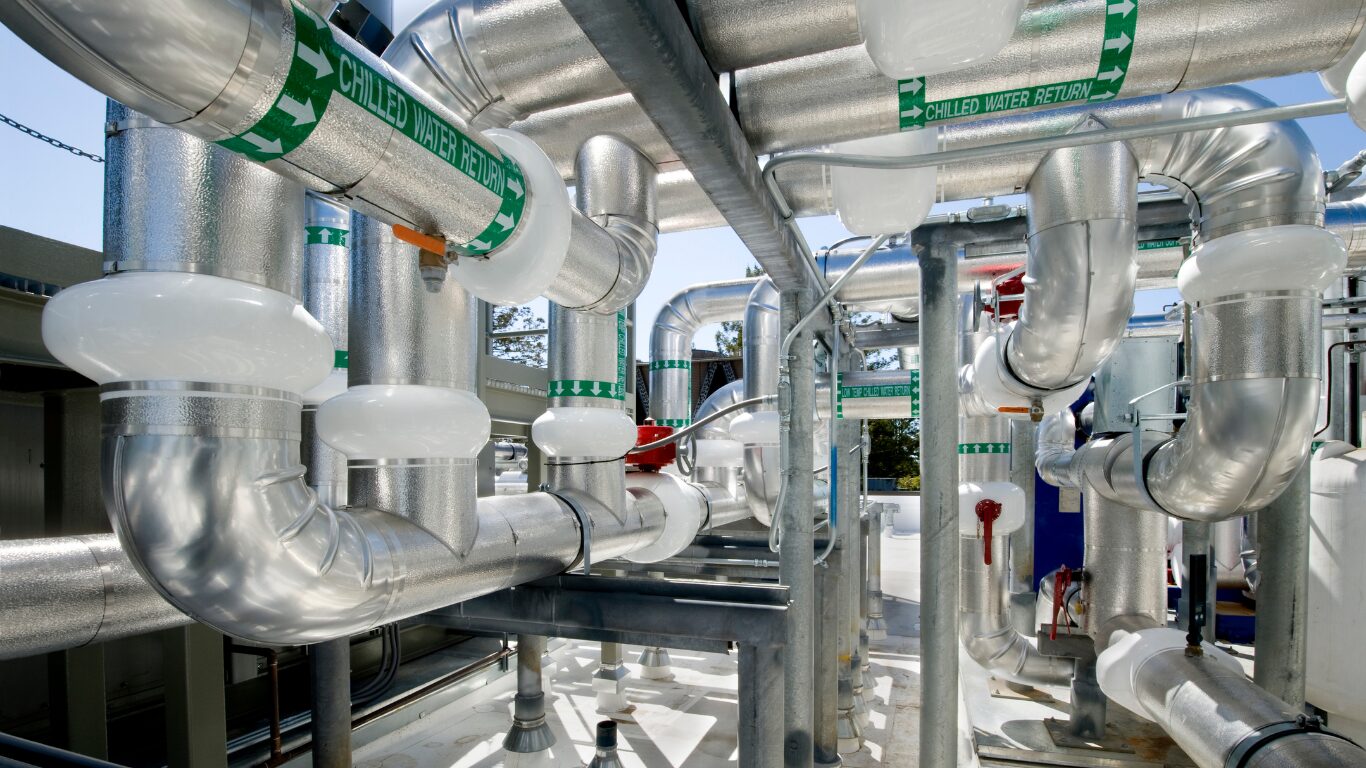
A closed loop glycol cooling system uses a sealed network of piping and equipment to circulate a glycol-water mixture that absorbs and releases heat. Because the loop is closed, the fluid stays clean, protected, and consistent; ideal for glycol cooling systems used in HVAC operations, process cooling, and industrial facilities that require precise temperature control.
In this article, we’ll look at how glycol systems work, why testing and treatment matter, and what you can do to keep your system performing reliably. If your loop runs year-round or through cold seasons, understanding these basics helps you protect equipment, avoid corrosion, and keep cooling steady when you need it most.
How Closed Loop Glycol Cooling Systems Work
A closed loop system moves a glycol solution through pipes, pumps, and heat exchangers to transfer heat efficiently while keeping the fluid contained. The glycol mixture picks up heat from one part of the system, like a chiller or process equipment, and delivers it to another, such as a cooling tower or heat exchanger, without losing fluid to evaporation or contamination.
These glycol cooling systems are commonly used in settings that need steady temperature control. HVAC networks, industrial process cooling, and data centers all rely on closed loops to maintain heat transfer, prevent freezing, and reduce corrosion risk. Keeping the glycol protected and circulating correctly helps the system run smoothly, improves energy efficiency, and ensures heat reaches the right places when it’s needed most.
The Role of Glycol in System Performance
Glycol is more than just a liquid circulating through a closed loop glycol cooling system. It’s the key heat transfer fluid that keeps temperatures stable and equipment safe. One of glycol’s most important properties is its ability to lower the freezing point of the water mixture, providing reliable freeze protection in cold climates or low-temperature environments.
When the fluid flows through chillers, heat exchangers, and piping, it absorbs and releases heat efficiently, helping the system maintain consistent heat transfer. Proper glycol concentration ensures the mixture remains effective without becoming too thick, which could slow circulation. Operators can count on glycol to prevent freezing, protect metal components, and sustain steady cooling performance, even when outdoor temperatures drop well below zero.
Types of Glycol Used in Closed Loop Systems
Choosing the right type of glycol is essential for a closed loop glycol cooling system. The chemical properties of glycol affect heat transfer, corrosion protection, and system longevity. Understanding glycol chemistry helps operators select the proper solution for their facility’s needs.
- Ethylene Glycol: This is commonly used in industrial glycol based systems because of its excellent heat transfer properties and strong freeze protection. It’s effective in low-temperature environments but must be handled carefully due to toxicity.
- Propylene Glycol: Preferred in food-grade or potable water applications, propylene glycol is less toxic and still provides reliable freeze protection. While slightly less efficient in heat transfer than ethylene glycol, it is safe for systems where accidental contact with products could occur.
Importance of Proper Glycol Concentration
Getting the glycol concentration right is one of the most important steps in keeping a closed loop glycol cooling system healthy. The ratio of glycol to water in the glycol water mixture determines how well the system performs in cold climates, protects against corrosion, and maintains heat transfer efficiency.
If the mixture has too little glycol, freezing can occur, putting metal components and pumps at risk. On the other hand, too much glycol makes the fluid thicker, slowing circulation and reducing cooling capacity. Operators often find small imbalances early by testing concentration and adjusting as needed. Keeping the proper concentration ensures the system provides reliable freeze protection, minimizes corrosion, and keeps heat moving efficiently, allowing equipment to operate safely and consistently.
System Components and How They Interact
A closed loop glycol cooling system relies on several key system components working together to keep temperatures steady and equipment protected. Pumps move the glycol mixture through the network, ensuring consistent flow, while heat exchangers transfer heat between the glycol and the process or chilled water circuits. Piping systems connect all parts of the loop, carefully designed to maintain pressure and prevent leaks.
Expansion tanks accommodate changes in fluid volume as temperatures fluctuate, helping the system maintain balance and avoid overpressure. When these components function properly, the glycol mixture circulates efficiently, delivering consistent temperature control across the facility. Teams often catch early issues by inspecting pumps, checking for leaks in piping, and monitoring heat exchanger performance.
Common Issues in Glycol Cooling Systems
Even well-designed closed loop glycol cooling systems can run into problems if not properly maintained. One of the most common issues is corrosion, which occurs when protective corrosion inhibitors degrade over time. Corrosion can damage metal components and create leaks, leading to system failures if left unchecked.
Glycol itself can also break down. When a glycol breaks down chemically, it may start forming organic acids, increasing the corrosion risk and reducing overall system efficiency. Scaling and deposits inside heat exchangers or piping can further reduce heat transfer and strain pumps.
Operators often catch early warning signs by watching for unusual noises, fluctuating temperatures, or unexpected changes in fluid chemistry. Regular testing and treatment help prevent these issues and extend system life. For more on protecting your loop, see our guide on Closed-Loop Water Treatment.
Why Regular Testing and Treatment Matter
Keeping a closed loop glycol cooling system healthy requires more than just filling it with glycol. Regular monitoring and chemical treatment are essential to catch problems before they become costly. Testing helps you see changes in fluid chemistry, detect corrosion risks, and prevent microbial growth.
- pH and Corrosion Checks: Monitoring the fluid’s pH and inhibitor levels ensures corrosion protection is maintained. Shifts can signal that the system is losing its protective balance.
- Microbial Growth Prevention: Treating the glycol properly stops bacteria and fungi from developing in the loop, which can reduce efficiency and damage components.
- Chemical Treatment: Adding the right chemicals keeps the system treated properly, extending the life of pumps, heat exchangers, and piping while sustaining reliable performance.
Key Water Quality Parameters to Monitor
To keep a closed loop glycol cooling system running smoothly, it’s important to check key water quality indicators regularly. Monitoring these parameters helps maintain the proper concentration of glycol, protects equipment, and supports overall system efficiency.
- Glycol Concentration: Ensures the mixture provides adequate freeze protection without slowing circulation. Testing helps avoid problems from too little or too much glycol.
- pH Levels: Tracks the acidity of the fluid. Maintaining balanced pH preserves corrosion inhibitors and prevents metal degradation.
- Inhibitor Levels: Confirming that corrosion inhibitors are sufficient protects pumps, piping, and heat exchangers from damage.
- Conductivity: Measures dissolved ions in the fluid, giving early warning of contamination or chemical breakdown.
For detailed guidance on monitoring and adjusting your loop, see our guide on Closed Loop Control Systems.
Preventing Corrosion and System Damage
Even a well-designed closed loop glycol cooling system can run into trouble if the glycol is not treated properly. Untreated fluid can cause system damage, including corrosion, leaks, and premature equipment failure. Implementing the right protection strategies helps keep the loop running efficiently and reliably.
- Corrosion Protection: Regularly maintaining corrosion inhibitors coats metal surfaces, slowing degradation and preventing pitting in pumps, piping, and heat exchangers.
- Monitoring Fluid Chemistry: Testing pH and inhibitor levels ensures the system stays balanced, reducing the risk of damage.
- Early Issue Detection: Watching for unusual noises, leaks, or temperature fluctuations allows teams to address problems before they escalate.
These steps help prevent corrosion and ensure the system maintains performance while extending equipment life.
Maintaining Heat Transfer and Energy Efficiency
Keeping a closed loop glycol cooling system running efficiently relies on clean fluid, correct glycol concentration, and regular inspection of system components. When the fluid is free of debris and properly balanced, the loop maintains optimal heat transfer capacity, allowing chillers and heat exchangers to perform at their best.
Regular checks and maintenance help detect issues such as clogged piping or worn pumps, which can reduce cooling capacity and increase energy consumption. Ensuring that inhibitors are active and glycol levels are correct also protects metal surfaces, supporting long-term system efficiency.
Teams that stay on top of these tasks see improved system performance, lower operating costs, and consistent cooling output. For more guidance on maintaining glycol loops, see our guide on Glycol Cooling Systems.
Operational Tips for Facility Teams
Running a closed loop glycol cooling system smoothly requires consistent attention from operators. Simple checks can go a long way in ensuring the system continues to function properly and provides reliable system protection, even in low temperatures.
- Check Expansion Tanks: Make sure tanks are correctly pressurized to handle fluid expansion and contraction.
- Inspect Pumps: Confirm pumps circulate the glycol mixture effectively without unusual noise or vibration.
- Look for Leaks: Regularly examine piping and heat exchangers for signs of leaks or corrosion.
- Log Glycol Concentrations: Keep records of concentration levels and adjustments to track trends and maintain optimal performance.
Following these steps helps closed loop systems run efficiently and avoid costly downtime.
Building a Preventive Testing and Treatment Program
Keeping a closed loop glycol cooling system reliable and efficient requires a structured approach to testing and maintenance. Following a consistent program helps prevent freezing, corrosion, and unexpected downtime.
- Regular Sampling: Test glycol concentration, pH, and inhibitor levels at scheduled intervals to catch early signs of imbalance.
- Adjust Glycol Levels: Maintain the proper concentration to ensure effective freeze protection and optimal heat transfer.
- Corrosion Control: Monitor inhibitor levels and add chemical treatments as needed to protect metal components and extend system life.
- Documentation: Keep detailed records of test results, adjustments, and inspections to track trends and support proactive maintenance.
Need help setting up a maintenance program for your closed loop glycol cooling system? Connect with us. Our experts at R2J Chemical Services can guide your team in creating a plan that ensures reliable operation, protects equipment, and reduces energy costs.
Frequently Asked Questions (FAQs)
What glycol concentration is best for freeze protection?
The ideal concentration depends on your system’s freezing temperatures and operating conditions. Properly balanced glycol ensures reliable freeze protection without slowing circulation or reducing heat transfer efficiency.
How does glycol act as a heat transfer fluid?
Glycol absorbs heat from equipment or chillers and moves it through the loop to a cooling tower or heat exchanger. In this way, glycol acts as the medium that efficiently transfers heat while also providing freeze protection.
Can glycol cooling systems work in sub zero temperatures?
Yes. Closed loop cooling systems using the right glycol mixture are designed to operate in sub zero temperatures and other low temperature environments safely, preventing freezing and protecting metal components.
How often should you test glycol in closed loop systems?
Regular testing is recommended at scheduled intervals, often quarterly or semi-annually, checking glycol concentration, pH, and inhibitor levels to maintain system efficiency and system protection.
What happens if glycol is not treated properly?
Neglecting treatment can cause chemical breakdown, corrosion, or microbial growth, reducing system performance and potentially leading to costly damage or downtime in your glycol cooling system.

 Tim Lane