Chlorine Injection Systems for Water Disinfection
Feb 23, 2026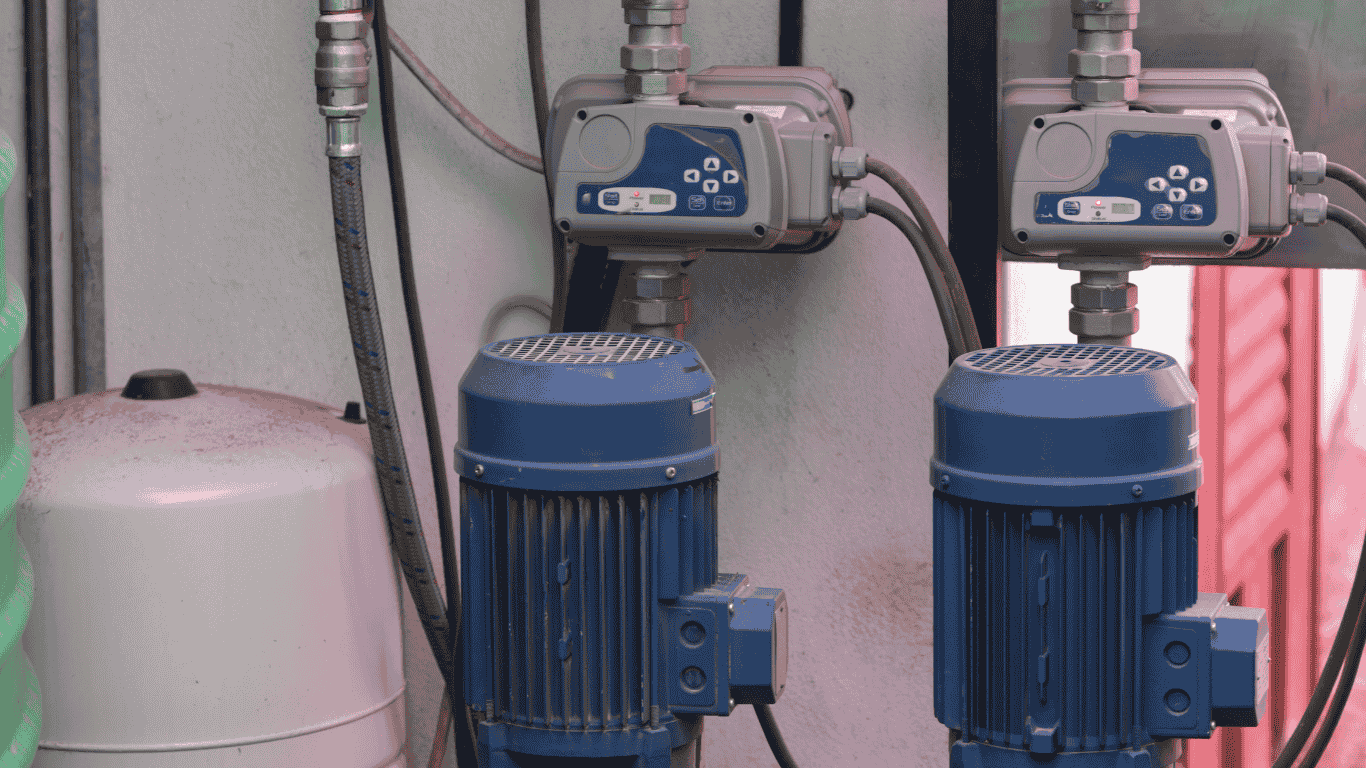
Clean water protects people, equipment, and operations. Every facility that relies on a dependable water supply must take disinfection seriously. Bacteria and other contaminants can enter water systems through wells, storage tanks, or even aging pipes. Strong water treatment practices help facilities maintain consistent water quality and protect drinking water from risk.
Chlorine remains one of the most trusted disinfectants in modern water systems. Operators rely on it because it reacts quickly, controls bacteria, and supports long-term protection throughout the distribution line. When teams manage chlorine correctly, they reduce biological growth and maintain safer water conditions.
A chlorine injection system plays a central role in that process. It delivers measured amounts of chlorine into the water supply to support stable water treatment results. When designed properly, it becomes a reliable tool for maintaining water quality and protecting both infrastructure and human health.
How a Chlorine Injection System Works
A chlorine injection system feeds a controlled amount of chlorine into moving water to maintain consistent disinfection. The injection system typically includes a solution tank filled with a prepared chlorine solution, an injection pump, and a precise injection point installed in the pipe. A metering pump, often a chlorine injection pump or a peristaltic metering pump, draws from the solution tank and pushes the chemical into the water stream under steady pressure. Proper chlorine injection depends on stable pressure and accurate flow rate so the dose matches real-time demand.
Placement of the injection point matters. Teams usually install it after the well pump so the pump runs and creates steady water flow before injecting chlorine. When the pump turns on, water flow begins, and the injection pump activates in response. Many systems connect to a water meter to track flow rate and adjust output as water flow changes. This coordination keeps dosing aligned with system conditions.
Once chlorine enters the line, contact time becomes critical. Adequate contact time allows the chemical to mix throughout the water stream before the water reaches a tank or distribution line. Operators monitor pressure, water flow, and flow rate to ensure the chlorine injection system performs consistently and supports reliable disinfection.
Why Chlorine Remains Essential in Water Systems
Chlorine remains the backbone of many water systems because it reacts quickly and reliably against harmful pathogens. Facilities depend on chlorine for disinfecting water and protecting drinking water from biological risk. A well-managed chlorination system supports safe drinking water in commercial buildings and municipal water systems alike. Operators rely on chlorine because it provides consistent performance across varying operating conditions.
One major advantage of chlorine is its ability to maintain residual chlorine levels throughout the distribution system. That chlorine residual continues protecting treated water long after the initial dose, which helps control bacteria growth inside pipes and storage tanks. Stable chlorine levels also help reduce microbial buildup. If you want a closer look at how microorganisms attach to plumbing surfaces, review our guide on biofilm in water and its impact on system reliability.
Chlorine also supports measurable control. Teams can monitor residual chlorine levels and adjust feed rates to keep the chlorination system balanced. This visibility allows operators to protect water systems proactively while maintaining compliance and operational confidence.
Applications in Well Water and Commercial Facilities
Well water often carries unique challenges that require active management. We have seen well water contain iron, manganese, hydrogen sulfide, sediment, and even traces of ammonia that affect odor, staining, and taste. Residential well water systems rely on consistent disinfection to stabilize water quality and protect the water supply from bacterial growth. Teams must define clear water quality goals before selecting equipment or chemical feed rates.
In commercial facilities, the stakes rise. Hotels, healthcare buildings, and multi-story properties must protect guests and occupants while maintaining steady pressure and flow through long runs of pipes. Temperature fluctuations, storage tank turnover, and variable demand all influence chlorine performance. Operators should monitor a water meter to track usage and ensure maintaining proper dosing as conditions change. These systems serve various applications, so the treatment approach must match real operating realities.
Many facilities combine chlorination with filtration to create a complete water treatment solution that addresses both biological and aesthetic concerns. Pipe condition also matters. Scale and buildup inside pipes can interfere with disinfectant contact and water movement. If buildup has already occurred, review our guide on pipe flushing to restore hydraulic performance and support better disinfection results. Aligning equipment with actual water treatment needs keeps systems stable and predictable.
Designing for Accuracy and Control
A successful chlorine injection system starts with thoughtful system design. Teams need to match injection points, pumps, and tanks to actual water flow and pressure conditions. Understanding how water moves through pipes and storage tanks ensures chlorine mixes thoroughly and reaches all parts of the system. Flow rate directly affects dosing, so operators must measure and track it carefully to maintain target chlorine levels.
The solution strength and pump output should be easily adjusted. When water demand changes, the metering pump must respond in real time to adjust chlorine levels. Proper contact time allows chemicals to disinfect water effectively before it travels through the distribution system. Regular monitoring keeps water quality consistent and supports optimal performance.
Automation can enhance control. Modern chemical feed systems allow teams to monitor flow, water quality, and chlorine levels continuously, adjusting dosing automatically. Whether the system treats hotel water, cooling tower water, or a municipal line, precise design and control keep the injection system operating safely and efficiently. For a deeper look at automated chemical control, review our guide on chemical feed system operations.
Safety, Handling, and Maintenance
Safety is critical when working with a chlorine injection system. Operators should always wear personal protective equipment when handling chemicals, especially sodium hypochlorite. Even small spills of chlorine solution can harm skin, eyes, and respiratory health, so proper precautions are essential to protect human health and ensure safe operations.
Maintaining the solution tank and injection pump regularly prevents leaks and ensures consistent dosing. Tanks should be checked for cracks, corrosion, or residue buildup, and pumps should be inspected to confirm they are running correctly. Keeping the system clean extends its life and maintains water quality.
Teams should store chemicals securely, away from heat and direct sunlight, and ensure proper ventilation around treatment areas. Routine maintenance, including verifying solution strength and checking flow, helps prevent failures. Following these practices allow operators to protect themselves, the system, and the water supply, keeping both staff and building occupants safe.
Building a Strong Disinfection Strategy for Long-Term Performance
A reliable disinfection strategy starts with understanding your water systems and treatment needs. Teams should regularly evaluate water quality, monitor chlorine levels, and track how water moves through pipes and tanks. Maintaining consistent treatment processes ensures clean water and protects human health over time.
Consider the role of alternative disinfection methods, such as ozone treatment, especially when organic matter or unusual water conditions challenge chlorine’s effectiveness. Adequate contact time, proper flow, and system monitoring remain critical, even when combining methods.
Regular checks of pumps, tanks, and chemical strength help maintain stability and prevent unexpected drops in water quality. Air exposure in storage tanks and distribution lines can influence chemical performance, so attention to system details pays off.
Need guidance on building a stronger disinfection strategy? Talk to the experts at R2J, and we will help tailor a program that improves water quality, protects your facility, and ensures reliable long-term performance.
Frequently Asked Questions (FAQs)
What is a chlorine injection system and how does it work?
A chlorine injection system introduces a controlled dose of chlorine into a water supply to disinfect it. The system uses a solution tank, injection pump, and injection point to mix chlorine with the water as it travels through pipes, ensuring treated water reaches all areas of the system.
Why is chlorine injection important for water treatment?
Chlorine injection is a critical part of water treatment processes. It helps control bacteria and other contaminants, protects drinking water quality, and maintains residual chlorine levels as water travels through distribution lines.
How do operators determine the right amount of chlorine for dosing?
Dosing chlorine depends on water flow, system design, and the presence of substances like iron or organic matter that consume chlorine. Many systems use metering pumps to adjust the dose automatically and ensure consistent water quality.
What maintenance is commonly required for a chlorine injection system?
Regular checks of the injection pump, solution tank, and flow measurements are essential. Inspecting for leaks, verifying solution strength, and monitoring water treatment performance keeps the system running reliably.
Can chlorine injection treat water with high iron levels?
Yes. Chlorine reacts with iron and other minerals in the water, oxidizing them so they can be filtered out. Proper dosing and contact time are critical to ensure effective treatment and maintain clean water throughout the system.

 Tony Toscano