What Is Alkalinity in Water Treatment?
Jul 17, 2026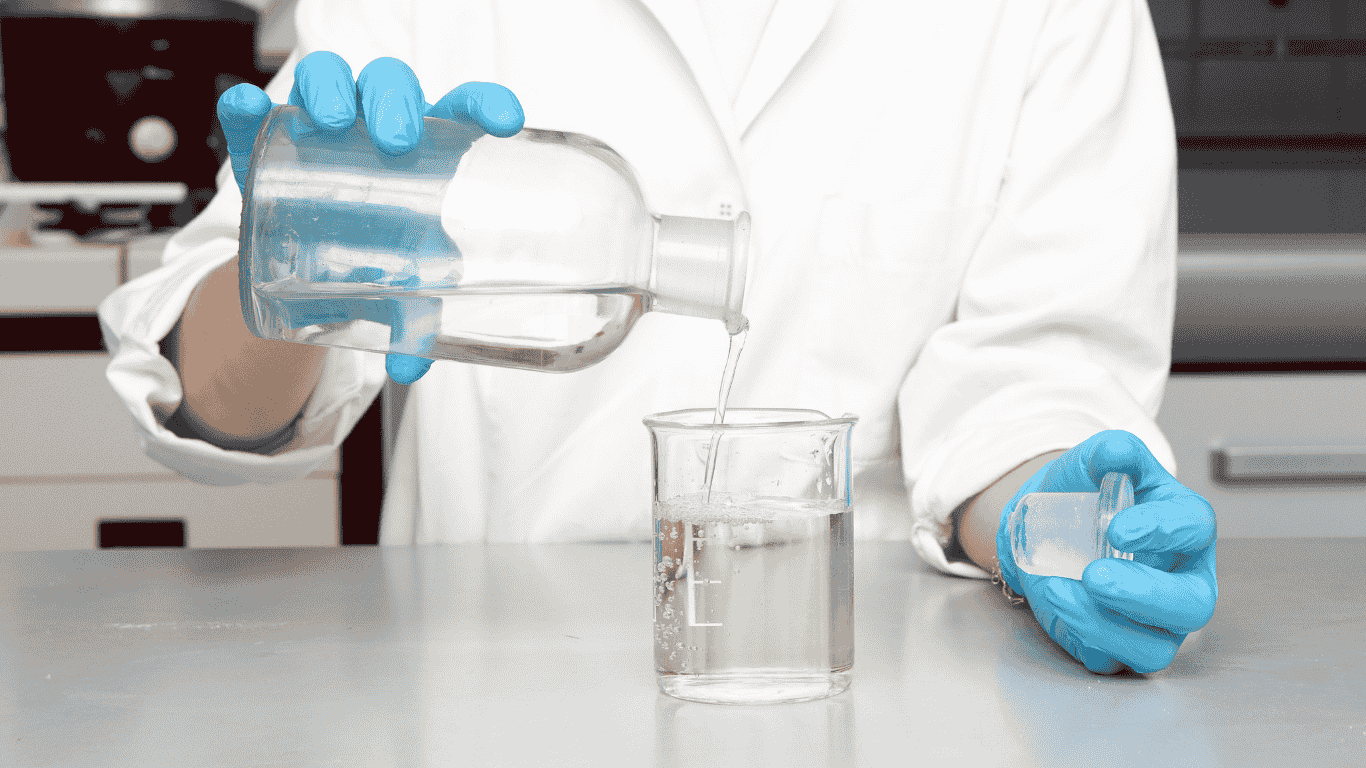
Water quality depends on more than just pH. One of the most important factors behind stable system performance is alkalinity. It reflects the water’s ability to resist sudden changes when acid enters the system, making it a key part of effective water chemistry. Operators who understand this relationship can make better treatment decisions, improve equipment reliability, and avoid unnecessary maintenance problems.
Many people confuse total alkalinity with pH, but each plays a different role in water treatment. Knowing how they work together helps you control corrosion, reduce scale formation, and optimize chemical treatment across a wide range of industrial systems. This guide explains what alkalinity is, how it is measured, why it matters, and the practical steps you can take to keep your water chemistry balanced.
What Is Alkalinity?
Many people think alkalinity and pH mean the same thing, but they measure different aspects of water quality. pH tells you how acidic or alkaline the water is at a specific moment, while total alkalinity measures the water’s acid neutralizing capacity, or its ability to neutralize acids before the pH changes significantly. You can think of alkalinity as a protective reserve that helps stabilize water chemistry. This buffering capacity becomes especially important in industrial systems where chemical additions and changing operating conditions can cause rapid shifts in water quality.
Most of the alkalinity in water comes from naturally occurring bicarbonate, although carbonate alkalinity, hydroxide alkalinity, carbonate ions, and bicarbonate ions can also contribute depending on the pH. These dissolved ions react with excess hydrogen ions, helping neutralize acids and maintain more stable operating conditions. The dominant form changes as pH changes, which is why water chemistry requires more than a single measurement to understand what’s happening.
People often confuse pH and alkalinity because water with higher total alkalinity frequently has a higher pH. However, they are not interchangeable. A water sample can have a relatively stable pH but low alkalinity, making it vulnerable to sudden chemical changes when acid enters the system. Understanding that distinction helps operators make better treatment decisions, prevent unexpected corrosion or scale issues, and maintain consistent system performance.
Where Does Alkalinity Come From?
Most alkalinity develops naturally as water moves through the environment. Rainwater absorbs carbon dioxide from the atmosphere and forms weak carbonic acid. As this water passes through soils and carbonate rocks, especially those containing calcium carbonate, it dissolves minerals that release bicarbonate and other dissolved compounds into the water. This natural process increases the concentration of alkalinity in natural waters, including rivers, reservoirs, and groundwater. The presence of these dissolved minerals helps stabilize water chemistry because they react with excess hydrogen ions and reduce sudden changes in pH. Seasonal precipitation and local geology also influence how much alkalinity develops, so water quality can vary significantly from one source to another.
Industrial activities can also affect alkalinity levels. Wastewater from certain manufacturing processes, mining operations, and industrial discharge may change the balance of dissolved minerals entering surface waters. In some cases, acid rain and other forms of acidic pollution reduce alkalinity as they consume the water’s natural buffering compounds. In other situations, runoff carrying dissolved minerals or treatment chemicals can increase alkalinity. Water treatment professionals monitor these changes because adequate alkalinity helps neutralize acidic pollution, supports stable treatment performance, and keeps chemical dosing consistent across changing water conditions.
How Is Alkalinity Measured?
Measuring alkalinity usually involves a simple laboratory procedure called titration. During the test, a technician collects a water sample and gradually adds sulfuric acid, which serves as the strong acid used to react with the alkaline compounds in the water. As each small amount of acid added neutralizes bicarbonate, carbonate, and hydroxide species, the technician continues determining the point where the water can no longer resist the change. A pH meter tracks the pH values throughout the test, allowing technicians to measure alkalinity accurately instead of relying on estimates.
The titration continues until the solution reaches a pH endpoint of 4.5. At this point, the alkalinity has been fully consumed, making it possible to calculate the result. Laboratories report total alkalinity as mg/L of calcium carbonate (CaCO₃), which provides a consistent standard for comparing different water sources and treatment programs. This common reporting method reflects the total concentration of alkaline compounds in the water rather than the amount of calcium carbonate actually present.
The chemistry behind the test is straightforward. Carbon dioxide dissolved in water forms carbonic acid, which then converts into bicarbonate as the water chemistry changes:
CO₂ + H₂O ⇌ H₂CO₃
H₂CO₃ ⇌ HCO₃⁻ + H⁺
Most laboratories follow Standard Methods published by the American Public Health Association (APHA), and many agencies, including the Geological Survey, reference these procedures to ensure consistent results. Following these standard methods allows operators to compare data over time and make confident treatment decisions based on reliable alkalinity measurements.
Why Alkalinity Matters in Water Treatment
In industrial water systems, stable alkalinity levels support reliable performance and help treatment programs work as intended. Water with higher alkalinity resists sudden swings in pH, while water with low alkalinity can experience rapid changes that increase the risk of corrosion. At the other end of the scale, excessively high alkalinity often contributes to scale formation because dissolved calcium becomes more likely to precipitate on heat transfer surfaces. The ideal range will vary depending on the application, whether you’re operating boilers, cooling towers, or reverse osmosis pretreatment equipment. Understanding this balance also helps operators decide when increasing alkalinity or lowering it makes the most sense for long-term system reliability.
Alkalinity also affects how efficiently treatment chemicals perform. Many treatment programs rely on compounds such as phosphate, borate, and ammonia, and each works best within an appropriate pH range. If alkalinity drifts too low, a lower pH can reduce treatment effectiveness and accelerate corrosion. On the other hand, high pH or increased pH caused by excessive alkalinity may encourage scale deposits and reduce heat transfer efficiency. Proper alkalinity helps treatment chemicals remain effective, minimizes unnecessary chemical consumption, and keeps dosing more consistent as operating conditions change. If you’d like a deeper understanding of managing pH alongside alkalinity, our guide on pH control explains how these two measurements work together.
Routine monitoring helps operators catch small issues before they become expensive repairs. Changes in mineral concentration, operating conditions, and source water quality can all affect alkalinity, making regular testing one of the common indicators of overall system health. We recommend confirming alkalinity alongside other key water quality parameters instead of treating it as a standalone number. Our guide to boiler water testing explains which tests matter most for steam systems. If you manage hydronic or process systems, our article on closed-loop water chemistry also provides practical guidance for maintaining stable water conditions over time.
Maintaining Balanced Water Chemistry
Maintaining stable water chemistry starts with consistent testing, not occasional troubleshooting. We recommend establishing a routine monitoring schedule that tracks total alkalinity, p alkalinity, pH, and other key water quality parameters over time. Trend analysis often reveals gradual changes long before they become operational problems, making it easier to respond with confidence. Use a calibrated pH meter and reliable test methods to measure and compare alkalinity values from the same sampling locations whenever possible. Regular determining of hydroxide alkalinity, where applicable, also gives operators a clearer picture of changing water conditions and helps identify developing treatment issues early.
When alkalinity falls outside the desired range, make adjustments carefully. The right solution depends on the system, operating conditions, and existing water chemistry. Some situations require adding chemicals to increase alkalinity, while others call for controlled acid addition to reduce it. Small, measured adjustments help neutralize imbalances without creating new problems from overcorrection. We always encourage operators to verify test results after each adjustment and monitor the overall trend rather than reacting to a single reading. That disciplined approach lays the foundation for a treatment program that stays efficient, predictable, and easier to manage over the long term.
Building a More Reliable Water Treatment Program
A dependable water treatment program starts with understanding how each part of your water chemistry works together. Instead of focusing on pH alone, monitor alkalinity alongside other key parameters to identify trends before they affect equipment performance. Consistent testing, thoughtful chemical adjustments, and routine system evaluations help reduce corrosion, limit scale formation, and improve treatment efficiency. Small changes made at the right time often prevent costly downtime and extend the service life of your equipment.
Strong water treatment decisions come from accurate data and a proactive maintenance strategy. Looking for practical guidance on balancing water chemistry or resolving recurring treatment challenges? R2J Chemical Services can help. We can evaluate your system, interpret your test results, and recommend solutions tailored to your operating conditions. Together, we can help you improve reliability, reduce maintenance demands, and keep your water treatment program performing at its best.
Frequently Asked Questions (FAQ)
What is the difference between total alkalinity and p alkalinity?
Total alkalinity measures the water’s overall ability to neutralize acids, while p alkalinity measures only the portion of alkalinity present at the phenolphthalein endpoint. Comparing the two results helps determine whether hydroxide alkalinity, carbonate alkalinity, or bicarbonate is the dominant form in the water.
This information helps operators select the most appropriate treatment approach.
Can high alkalinity damage industrial equipment?
Yes, higher alkalinity can contribute to equipment problems if it is not properly managed. Water with a high pH and elevated alkalinity may encourage scale formation and leave mineral deposits on heat transfer surfaces.
As the mineral concentration increases, equipment efficiency can decline, energy costs may rise, and maintenance becomes more frequent.
Does alkalinity always increase pH?
Not always. Although water with greater alkalinity often has higher pH values, the two measurements are not identical. Alkalinity helps control changes in pH by reacting with excess hydrogen ions, but dissolved carbon dioxide and carbonic acid also influence the final pH.
Water can have substantial alkalinity and still experience a lower pH under certain conditions.
How often should alkalinity be tested?
The right testing frequency depends on the system and operating conditions. Many industrial facilities include measuring alkalinity as part of their routine water quality program. Using a calibrated pH meter, collecting a representative water sample, and following standard methods help ensure consistent results.
Regular determining of alkalinity trends makes it easier to identify changes before they affect system performance.
Can alkalinity be adjusted?
Yes. Operators can lower alkalinity through controlled addition of sulfuric acid or another suitable strong acid, while increasing alkalinity typically requires adding appropriate treatment chemicals. The correct solution depends on the application and water chemistry.
Make gradual adjustments, verify test results, and confirm the water can effectively neutralize acids without overcorrecting the system.

 Mike Gunn