Boiler Corrosion Inhibitors Explained
May 15, 2026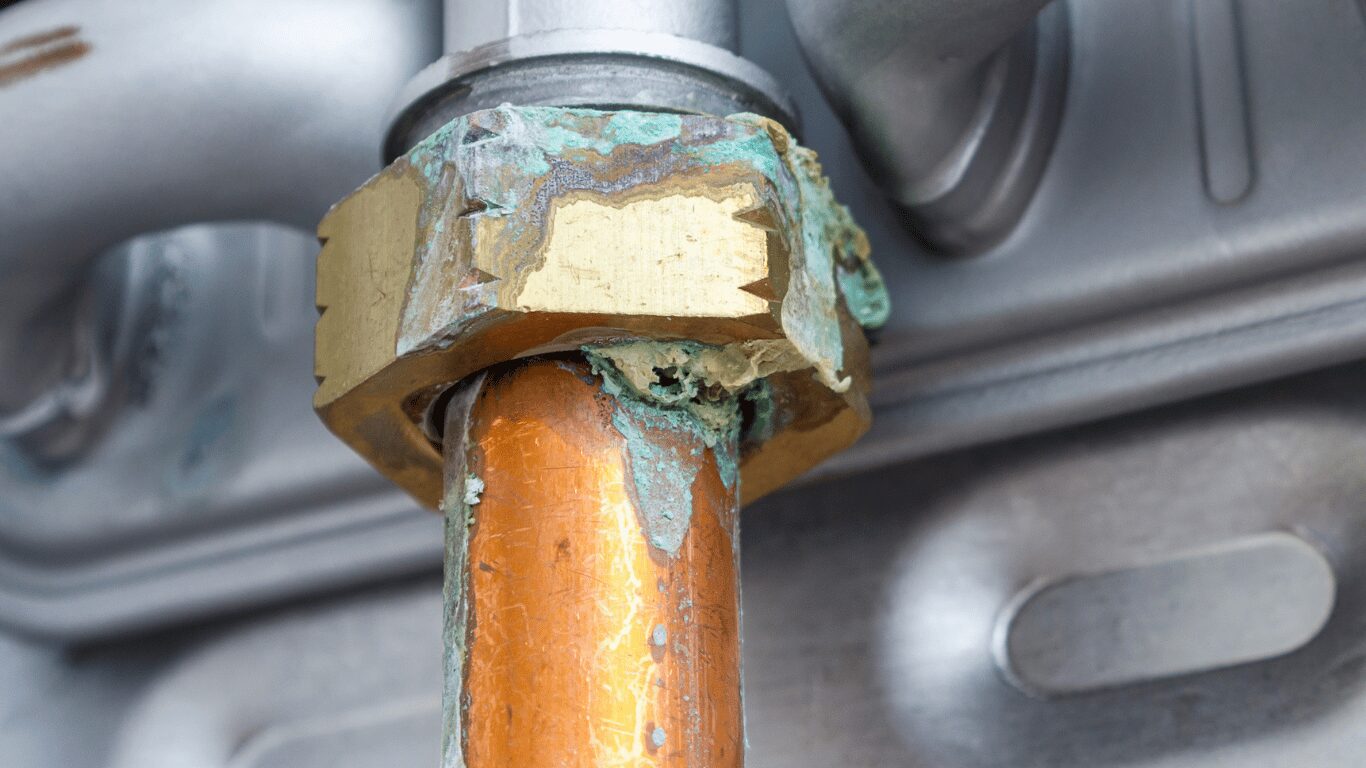
A boiler corrosion inhibitor plays a critical role in protecting industrial heating systems where constant exposure to water and heat creates ongoing corrosion risks. In real-world operations, boiler water continuously interacts with metal surfaces, and even small imbalances in chemistry can trigger corrosion that spreads across the entire system. Over time, this weakens components, reduces reliability, and shortens equipment lifespan.
Operators often see corrosion as a slow but steady breakdown process that affects efficiency and stability. When left unmanaged, it impacts system protection and leads to avoidable maintenance issues. Proper control of water conditions inside the boiler helps maintain consistent performance and supports long-term system reliability, especially in demanding industrial environments where downtime carries significant cost and risk.
What is a Boiler Corrosion Inhibitor?
A boiler corrosion inhibitor is a chemical solution designed to control corrosion inside boiler systems by protecting metal surfaces from rust and chemical attack. In simple terms, it forms a protective barrier or modifies water chemistry so corrosion cannot easily develop on internal components. This helps maintain stable operation and reduces long-term damage.
In practice, boiler inhibitors work as part of a broader boiler treatment strategy, where different chemicals target specific risks inside the system. A rust inhibitor specifically focuses on preventing oxidation on steel and iron surfaces, while a corrosion inhibitor supports overall system balance. When applied correctly, these treatments help protect metal surfaces, reduce degradation, and keep the boiler running efficiently under continuous thermal and pressure stress.
How Corrosion Develops Inside a Boiler System
Corrosion inside a boiler system usually starts with dissolved oxygen in boiler water. When oxygen enters the system, it reacts with steel and iron surfaces and triggers oxidation. This reaction creates rust, which slowly weakens internal components and spreads across exposed areas. Over time, this process leads to oxygen pitting, a localized form of corrosion that creates deep pits on metal surfaces and can quickly compromise system integrity.
Operators often underestimate how fast oxygen-driven corrosion develops, especially when fresh water keeps entering the system. Without proper control, corrosion spreads unevenly and damages critical areas of the boiler. Oxygen scavengers help reduce dissolved oxygen levels, but they must work alongside consistent monitoring and testing. Many teams rely on proper water analysis to catch early signs of imbalance, and resources like this guide on boiler water testing help operators understand what to watch for before corrosion becomes a larger system issue.
Types of Boiler Corrosion Inhibitors
Different inhibitors target corrosion in different ways, and selecting the right approach depends on the boiler treatment strategy and operating conditions. Oxygen scavengers remain one of the most common options because they directly reduce dissolved oxygen in boiler water, limiting the main driver of corrosion. These chemicals help stabilize the system and reduce rust formation on steel and iron components.
Film forming amines work differently by creating a thin protective layer on metal surfaces, which prevents direct contact between water and metals. Nitrite-based treatments focus on maintaining controlled nitrite levels to inhibit corrosion in closed systems, especially where consistent water chemistry is maintained. Rust inhibitor formulations often combine multiple inhibitors to provide broader protection across varying conditions. In many industrial setups, combination approaches deliver stronger corrosion control, especially when systems experience fluctuating boiler water quality and operational loads.
Steam Boilers, Condensate Systems, and Metal Protection
A steam boiler constantly exposes boiler water to high heat and pressure, which increases the risk of corrosion across internal components. As steam moves through the system, it eventually condenses back into water inside the condensate system, creating another point where corrosion can develop. This return loop often becomes just as vulnerable as the boiler itself.
Copper, iron, and steel components all react differently to changes in water chemistry, but each one remains prone to corrosion if protection is not properly managed. Over time, these metals can degrade and affect system performance, especially when oxygen or contaminants remain in the boiler water. The interaction between system components also matters because corrosion in one area often spreads to others. Proper treatment and monitoring help maintain balance across the steam boiler and condensate system, ensuring long-term protection of critical equipment.
Closed Loop Systems and Wood Boiler Applications
Closed loop systems behave differently from open boiler setups, but corrosion still remains a constant concern. Once oxygen enters a closed loop, it stays trapped and continues to drive rust formation on internal metal surfaces. This makes a rust inhibitor essential for maintaining long-term system stability and controlling corrosion inside the loop.
A wood boiler faces similar challenges, especially when operators introduce fresh water during topping up or maintenance. Fresh water brings dissolved oxygen and minerals that accelerate corrosion if not properly managed. Over time, this can weaken components and reduce system efficiency. A corrosion inhibitor helps stabilize water chemistry and protects internal surfaces from ongoing degradation. In many cases, maintaining consistent treatment is more important than heavy dosing. You can explore how water balance affects closed systems in this guide on water chemistry, which explains why chemistry control matters for long-term reliability.
Treatment Programs, Testing, and Maintenance Control
A structured treatment program plays a major role in controlling corrosion inside any boiler system. Operators cannot rely on a single chemical alone, so a full corrosion inhibitor program combines oxygen scavengers, inhibitors, and routine monitoring to maintain stable boiler water conditions. This approach ensures corrosion does not develop silently over time.
Testing becomes the backbone of control. Teams regularly check nitrite levels using test strips to confirm that chemical protection remains within the correct range. When nitrite levels drift, corrosion risk increases quickly, especially in systems with fluctuating demand or frequent fresh water additions. That is why boiler water conditions must stay monitored consistently, not occasionally. Maintenance routines also support this process by ensuring dosing systems and feed lines remain clean and accurate. When oxygen scavengers and inhibitors work together, the boiler treatment becomes far more reliable, helping operators maintain long-term system stability and reduce unexpected corrosion issues.
System Performance, Heat Transfer, and Scaling Control
Heat transfer efficiency sits at the center of every boiler system, and corrosion or scale buildup quickly disrupts that balance. When scale forms on internal surfaces, it creates an insulating layer that reduces heat transfer and forces the boiler to work harder. This directly impacts boiler performance and increases energy costs over time.
Operators often notice that reduced efficiency shortens boiler life because the system runs hotter and under more stress than intended. Corrosion and scale often work together, weakening metal protection and accelerating wear on internal components. A strong treatment approach helps prevent scale formation while also controlling corrosion across the system. That balance ensures consistent thermal output and stable operation, even under heavy demand. If you want a deeper look at how deposits form and affect efficiency, this guide on what is scale in water explains why early control is critical for long-term system protection and performance.
Integrated Boiler Protection Strategy
A boiler corrosion inhibitor delivers the most value when it works as part of a complete treatment program rather than a standalone solution. Operators who manage boilers effectively understand that corrosion control depends on consistency, not occasional dosing. Every boiler system faces ongoing exposure to water, oxygen, and heat, so protection must stay active at all times to prevent long-term damage.
A strong treatment program combines chemical control, routine maintenance, and continuous monitoring to maintain system reliability. When maintenance stays consistent, corrosion slows down significantly, and metal protection improves across all critical components. This approach also helps operators extend equipment life and reduce unexpected failures that disrupt operations. Across many facilities, a properly managed boiler corrosion inhibitor approach becomes the difference between stable performance and recurring system issues.
If your boiler, system, or maintenance program needs better protection, connect with our team to review your current treatment program. We help operators and customers strengthen corrosion control strategies, improve protection, and keep every boiler running with greater reliability and consistency.
Frequently Asked Questions (FAQ)
What happens if corrosion is not controlled in a boiler system?
When corrosion is not controlled, rust builds up inside the boiler and contaminates boiler water. This weakens internal surfaces and increases system risk across key components. Over time, uncontrolled corrosion can escalate into serious damage and may even lead to catastrophic failure if left unaddressed.
How do oxygen scavengers support boiler corrosion control?
Oxygen scavengers reduce dissolved oxygen in boiler water, which directly limits the main driver of corrosion. This supports boiler treatment programs by improving protection on metal surfaces, especially iron components that are highly prone to oxygen attack.
Can boiler corrosion inhibitors reduce maintenance costs?
Yes, consistent use of corrosion inhibitors helps reduce maintenance issues linked to rust and scaling. A stable boiler treatment approach improves system efficiency, lowers long-term maintenance needs, and supports lower cost operation by reducing unexpected breakdowns.
What role does testing play in boiler inhibitor programs?
Testing ensures proper control of boiler water chemistry. Operators monitor nitrite levels using test strips to confirm that protection remains stable. Regular testing allows adjustments so the system stays monitored and corrosion control remains effective.
Are boiler inhibitors used in closed loop and wood boiler systems?
Yes, both closed loop and wood boiler systems rely on rust inhibitors and corrosion control chemistry to protect internal system components. These systems are prone to corrosion if water quality shifts, so proper treatment is essential for long-term stability.

 Ed Sobolewski