Heat Rejection Methods in Cooling Systems
Apr 09, 2026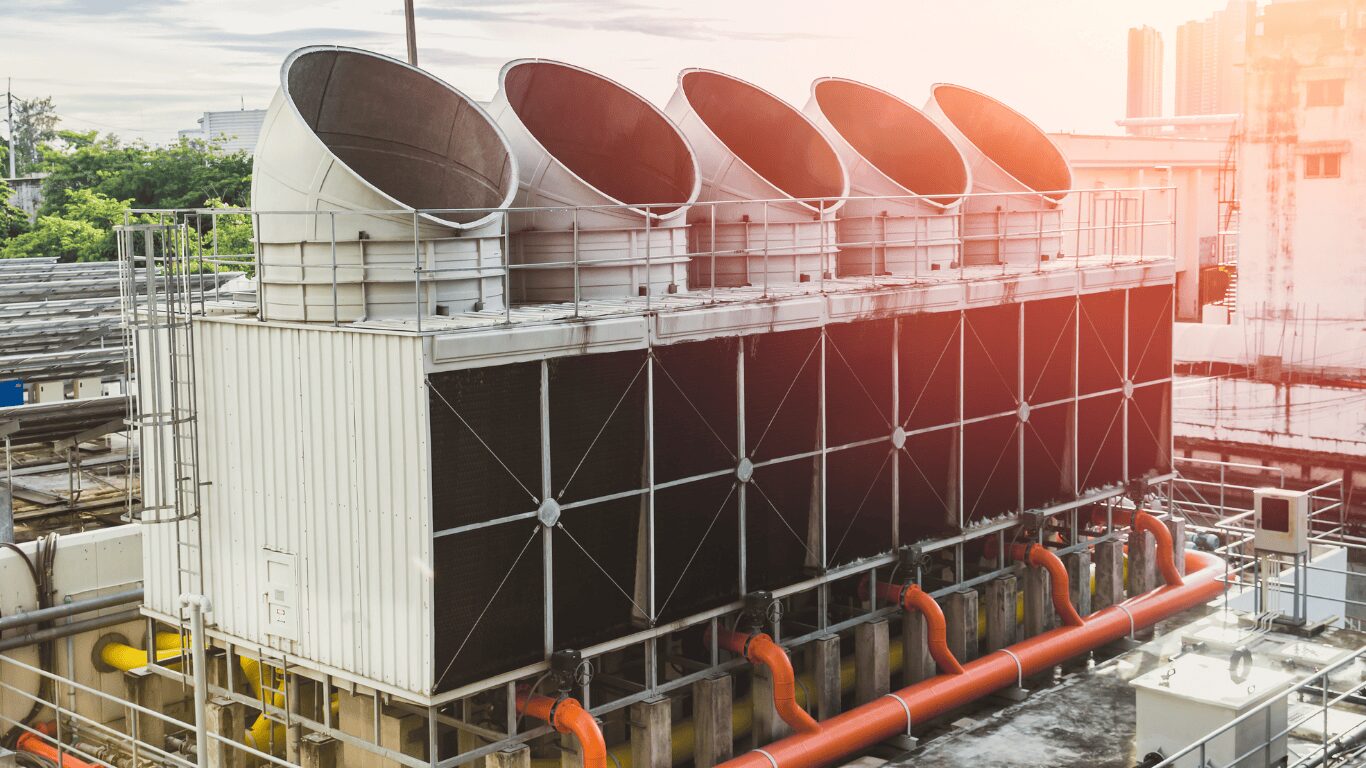
Heat rejection plays a crucial role in keeping industrial cooling systems running efficiently. In any facility, excess heat can strain equipment, reduce performance, and increase energy consumption. Understanding how heat moves through a system and where it needs to go is the first step in maintaining safe, reliable operations. Effective heat rejection ensures your cooling system can manage temperature fluctuations, protect sensitive equipment, and support long-term operational stability.
What Is Heat Rejection?
Heat rejection is the process of removing excess heat from a system to maintain stable temperatures. In cooling towers, boilers, and closed loops, failing to reject heat effectively can raise temperatures, strain equipment, and drive up energy costs. Excess heat not only reduces system efficiency but can also accelerate wear on components and increase the risk of downtime. Operators who understand and manage heat rejection often see more consistent performance and lower energy consumption across their facilities.
Core Heat Rejection Methods
Facilities rely on several heat rejection methods to manage temperature and maintain system efficiency. Air cooling uses fans or natural airflow to move heat away from equipment, making it simple and cost-effective for small systems or data centers. Liquid cooling circulates a coolant through pipes and heat exchangers, efficiently removing heat from high-demand equipment in manufacturing plants or large industrial loops.
Evaporative cooling, common in cooling towers, transfers heat to water, which then dissipates into the air, offering high efficiency in systems with significant heat loads. Choosing the right method depends on system design, climate, and energy considerations. Learn more about costs and design factors in our guide on cooling tower cost.
Advanced Heat Rejection Technologies
Modern facilities increasingly use technology to enhance heat rejection efficiency. Heat rejection films can block infrared heat and reduce solar heat gain, keeping indoor environments cooler without overloading the cooling system. Window tinting and coatings manage visible light, further lowering temperature fluctuations and energy consumption. These solutions are especially effective in offices, data centers, and manufacturing plants where controlling ambient heat is critical.
Combining films with traditional cooling methods creates a balanced approach that protects equipment and reduces costs. For a sustainable perspective on managing system energy and water use, explore our guide on sustainable water treatment.
Factors Affecting Heat Rejection Efficiency
Several factors influence how effectively a system rejects heat. Climate plays a major role, as high ambient temperatures can limit cooling capacity. Equipment age and design impact performance, while the type of coolant determines how efficiently heat transfers away from the system. Operators should monitor temperature regularly, maintain components, and track energy consumption to catch inefficiencies early. Poor maintenance or overlooked factors can reduce performance, increase costs, and shorten equipment life. Staying proactive ensures consistent heat rejection and system reliability.
Heat Rejection in Data Centers
Data centers generate significant heat, and effective heat rejection is critical to protect servers and maintain uptime. Managing cool air flow while minimizing warm air pockets prevents overheating and reduces heat gain in sensitive equipment. Many facilities use chilled water loops or liquid cooling systems to efficiently transfer heat away from racks. Operators should monitor temperature zones and airflow patterns consistently. For insights on optimizing water-based cooling systems, see our guide on water treatment automation.
Industrial Applications and Benefits
Heat rejection plays a key role across industrial applications, from manufacturing floors to boilers and closed-loop systems. Teams often see significant differences when they properly manage temperature, as effective heat rejection improves system efficiency, reduces energy costs, and extends equipment life. In manufacturing environments, controlling excess heat prevents downtime and maintains consistent product quality. Regular monitoring and maintenance help operators maintain optimal performance, ensuring that systems run safely, reliably, and with lower operational expenses over the long term.
Common Challenges
Even well-designed cooling systems face challenges in heat rejection. Overheating, corrosion, and scaling can reduce efficiency, while poor monitoring allows small issues to escalate. Heat can become unevenly absorbed, stressing components and impacting the entire system. Operators should perform routine checks on equipment, coolant quality, and flow rates to catch problems early. Water-related issues, such as mineral buildup in cooling towers, require careful management. Learn more about effective strategies in our guide on brackish water treatment.
Steps to Optimize Heat Rejection
Operators can improve system performance by following a structured approach to heat rejection. First, assess the current system and identify areas where excess heat builds up. Select the most effective process for your facility, whether it’s air, liquid, or evaporative cooling. Regularly maintain equipment, monitor temperature zones, and adjust operations as needed to ensure consistent performance.
Teams that stay proactive often see lower energy costs and extended equipment life. Need guidance on boosting your heat rejection efficiency? Our experts at R2J can help tailor a plan for your system.
Frequently Asked Questions (FAQs)
What are heat rejection methods in a data center?
Data center systems often use liquid cooling and airflow management to reduce heat gain and maintain cool air.
How do heat rejection films improve performance?
Heat rejection films and window films reduce infrared heat and solar heat while controlling visible light technology.
Why does airflow affect cooling performance?
Warm air buildup and poor airflow increase heat gain, while cool air improves environment and stability.
Can window tinting help manage heat?
Window tinting effectively blocks infrared radiation from the sun through treated windows and shades.
What other factors affect heat rejection efficiency?
Other factors include climate, process design, compressor performance, and technology used across different industrial environments.

 Tim Lane