pH Control Strategies in Water Treatment
Apr 06, 2026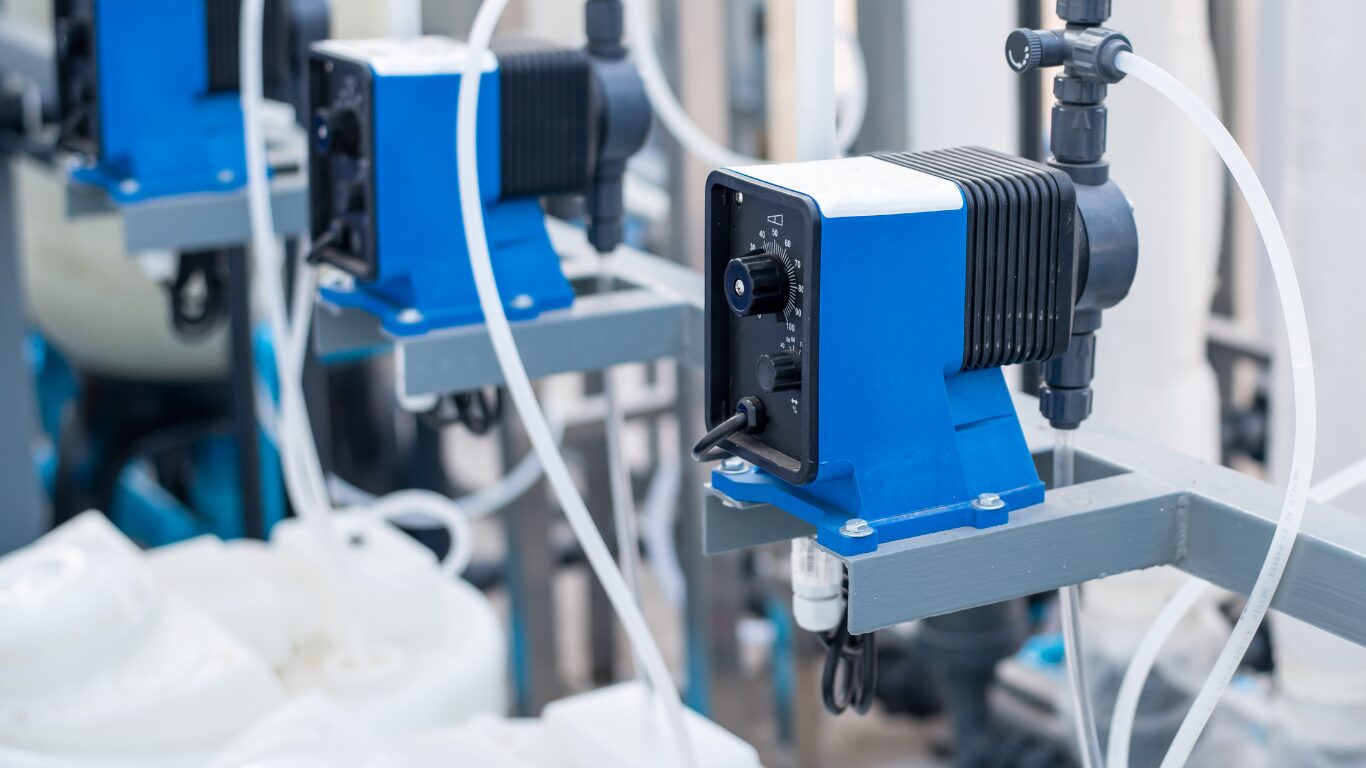
pH control plays a critical role in any water treatment process. It directly influences water quality, system performance, and long-term equipment reliability. When ph levels drift too high or too low, problems such as corrosion, scaling, and inefficiency quickly follow. Teams that stay ahead of these changes protect both their systems and operations.
In many industrial environments, maintaining consistent control is not just good practice, it is essential. A well-managed solution starts with understanding how pH behaves and why it must stay within a stable range.
Understanding pH and Why It Matters
pH measures the balance between hydrogen ions in a solution, which determines whether water is acidic or alkaline. When ph levels drop, water becomes more acidic water; when they rise, it shifts toward alkaline water. This balance may seem simple, but even small changes in ph levels can affect how systems operate. In industrial settings, water is constantly exposed to chemicals, heat, and contaminants, all of which influence acidity and stability.
Accurate measurement is essential because poorly measured or unmanaged ph levels can lead to corrosion in acidic conditions or scaling in alkaline environments. Over time, this damage reduces efficiency, impacts equipment life, and disrupts overall processes. Teams that understand how pH behaves can respond faster and maintain more stable operations.
Methods for Measuring and Monitoring pH
Teams rely on both manual and digital methods when measuring pH, and each approach has its place. Basic ph testing often starts with a ph control kit. Operators collect a sample in a test tube or test vial, add a few drops of a ph test indicator, and compare the color against a chart. This method works well for quick checks and routine verification.
For tighter control, many facilities use a ph meter or install ph sensors directly in the system. These tools provide continuous data and support monitoring ph levels in real time. While some hesitate due to the cost of expensive electronic meters, proper calibration using calibration solutions keeps readings accurate and reliable. In practice, combining manual checks with digital monitoring creates a more dependable strategy.
pH Control Strategies and Chemical Adjustments
Controlling pH in real systems comes down to consistent dosing and careful observation. Operators adjust levels by adding specific chemicals based on current conditions. When water trends alkaline, acids such as sulfuric acid or hydrochloric acid help bring it back into range. When conditions turn acidic, sodium hydroxide or similar up and down solutions raise the pH. The goal is to neutralize imbalances without overcorrecting.
Success depends on adding the appropriate amount at the right concentration. Too little will not correct the issue, while too much creates new instability. Teams should always base adjustments on recent test results and system demand. A steady, measured approach helps maintain balance over time. When operators stay proactive with chemical dosing, the entire solution remains stable and easier to manage.
Automation and System Integration
As systems become more complex, many facilities move toward an automated ph control system to improve consistency and reduce manual effort. A well-designed setup uses ph sensors and a ph controller to continuously monitor conditions and adjust dosing in real time. This approach keeps the system stable and improves overall accuracy, especially in operations with fluctuating loads.
Automation also removes guesswork. Instead of reacting to changes after they happen, teams can monitor trends and respond immediately. If you want to understand how automation improves performance across operations, take a look at our guide on water treatment automation.
For facilities managing chemical dosing, integrating a dedicated feed system makes a significant difference. You can explore that further here.
Building a Reliable pH Control Program
A reliable approach to proper ph control starts with a few consistent steps. First, assess your system and define your target range for optimal ph levels. Next, implement routine testing and automation where needed to maintain stability. Teams should also inspect equipment regularly, since wear, fouling, or dosing issues often affect water quality. In many industrial processes, even small shifts can accelerate corrosion and reduce efficiency.
Strong programs stay proactive. Operators review trends, fine-tune chemical dosing, and respond before problems escalate. If you want a deeper look at how water chemistry ties into long-term protection, our guide on preventing corrosion is worth reviewing.
If you are refining your current approach or starting from scratch, it helps to talk it through. Connect with our team and we will help you map out a practical pH control strategy that fits your system, protects your equipment, and keeps performance where it should be.
Frequently Asked Questions (FAQs)
What is the most reliable way to handle pH control in daily operations?
Consistent pH control depends on combining routine pH testing with real-time monitoring. Many teams use a pH control kit for quick checks and rely on a pH controller with pH sensors for continuous adjustments. This combination helps maintain stable pH levels across the system. In most industrial processes, proper pH control is essential to protect equipment, maintain water quality, and avoid corrosion. Operators should monitor trends closely and adjust chemicals as needed to keep conditions stable.
How do you measure pH accurately in a water treatment process?
Accurate pH measurement starts with proper tools and calibration. A pH meter offers precise readings when supported with calibration solutions, while manual testing uses a pH test indicator in a test tube or test vial. Operators typically add a few drops and compare results. While electronic meters improve accuracy, teams often confirm readings with manual methods. Consistent measurement ensures pH levels stay within optimal ranges for safe and efficient operation.
What chemicals are commonly used when controlling pH?
Controlling pH requires the right balance of chemicals. Operators use sulfuric acid or hydrochloric acid to lower pH levels and sodium hydroxide to raise them. These up and down solutions help neutralize imbalances. Applying the correct amount at the proper concentration stabilizes the solution, protects equipment, and prevents corrosion caused by acidic or alkaline conditions.
How does pH impact systems like hydroponics or wastewater treatment?
In systems such as hydroponics or wastewater treatment, pH levels directly affect performance and outcomes. Incorrect pH limits nutrient uptake by plant roots, impacting growth. In wastewater treatment, unstable conditions disrupt biological processes and reduce efficiency. Maintaining optimal pH levels keeps systems balanced and running effectively.
Why is continuous monitoring important for pH control systems?
Continuous monitoring improves both accuracy and response time. An automated pH control system uses sensors to track conditions and adjust dosing instantly, keeping the system stable during fluctuations. Without continuous monitoring, issues may go unnoticed until damage occurs. Consistent monitoring helps protect equipment and ensures long-term reliability across industrial applications.

 Tony Toscano