What Is Scale in Water and How It Forms in Industrial Systems
Mar 20, 2026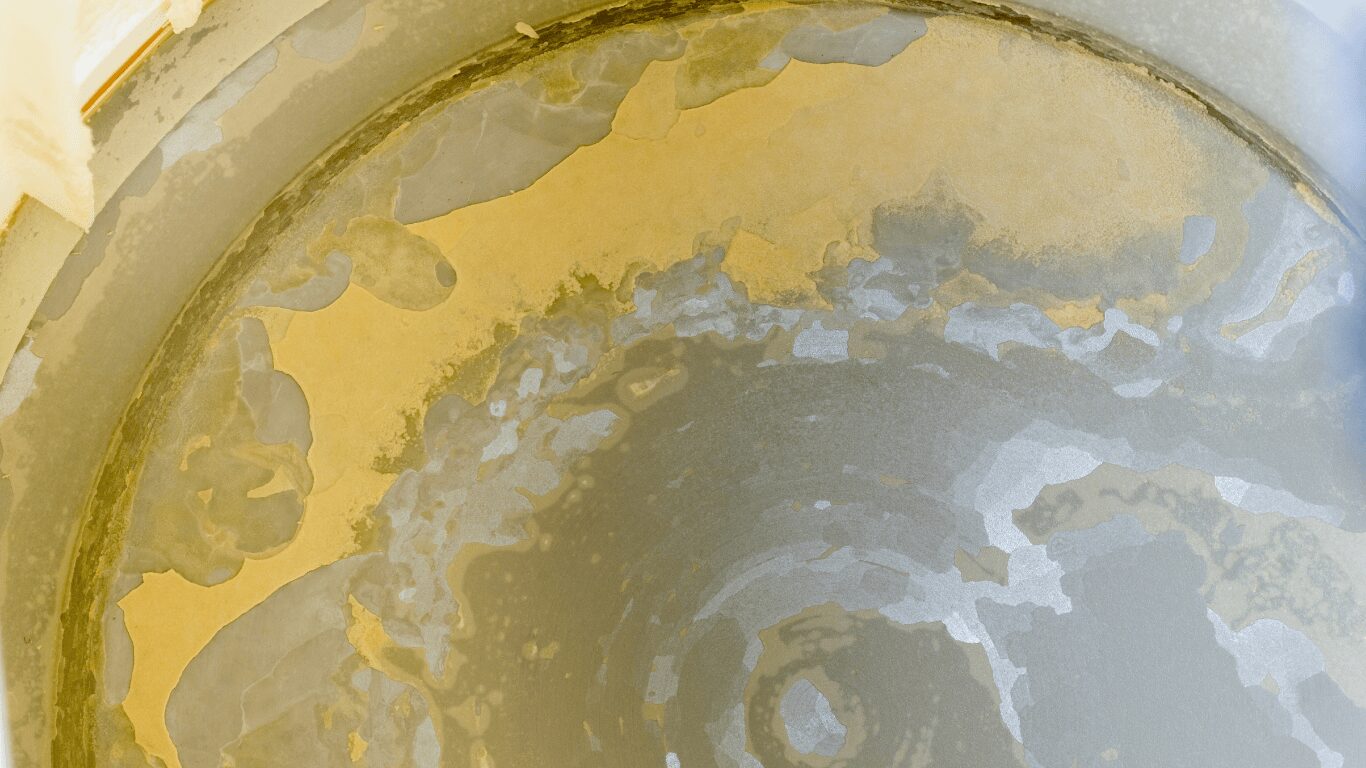
Understanding what is scale in water is essential for any industrial operator or facility manager. Scale forms when minerals, primarily calcium and magnesium, accumulate in water systems, creating deposits that stick to pipes, tanks, and equipment. Left unchecked, these mineral deposits can reduce water flow, lower efficiency, and increase maintenance costs.
In our experience managing large-scale water systems, early awareness and proactive treatment make all the difference. Teams should regularly monitor water quality and watch for signs of buildup to protect both equipment and operational performance.
Understanding Scale
Scale is the hard, chalky buildup of minerals, mainly calcium carbonate, that forms on surfaces in water systems. It develops when dissolved calcium and other minerals precipitate out of water, especially under high temperatures or changes in pressure. This process creates a hardness scale that gradually accumulates on pipes, tanks, and appliances.
Hard water, rich in calcium and magnesium, promotes more significant scale formation, while soft water contains fewer minerals and forms minimal deposits. Recognizing the difference between hard and soft water helps operators anticipate potential scale issues and plan preventive measures.
Causes of Scale in Water
Scale forms primarily due to dissolved minerals in water, especially calcium and magnesium ions. When water containing these minerals flows through pipes or is heated by a heating element, the minerals can precipitate out and adhere to surfaces. High water hardness accelerates this process, making scale buildup more likely in boilers, water heaters, and other equipment.
Other water quality parameters, such as pH level and total alkalinity, also influence how quickly scale forms. In our experience, even small changes in temperature or mineral concentration can trigger visible deposits. Monitoring these factors allows operators to prevent excessive scale before it affects system efficiency.
Where Scale Appears in Industrial Systems
Operators often encounter scale deposits in water heaters, boilers, and the pipes that connect them. These mineral buildups also form on heat transfer surfaces, reducing their ability to transfer energy efficiently. As scale accumulates, equipment efficiency drops, energy consumption rises, and operational costs increase.
In severe cases, untreated scale can lead to costly repairs or premature equipment failure. Industrial facilities can manage this risk through proactive treatment, such as using an industrial water softener to reduce hardness and prevent mineral buildup before it compromises system performance.
Effects of Scale Build-Up
Scale buildup can create serious problems in industrial and commercial water systems. As mineral scale accumulates inside pipes, it restricts water flow, leading to pressure drops and uneven heating. Heating elements coated with scale take longer to warm water, increasing energy consumption and reducing system efficiency.
Water using appliances such as washing machines and coffee makers also suffer from decreased performance and shorter lifespans when exposed to excessive scale. Regular maintenance and cleaning are essential to avoid these issues. Facilities often schedule routine pipe flushing to remove deposits and restore optimal water flow and heat transfer.
How Industrial Systems Detect Scale
Detecting scale deposits early is key to protecting water systems and equipment. Operators often perform a visual inspection to spot white or chalky white spots on surfaces. Routine water tests, including hardness testing, reveal elevated levels of calcium and magnesium that contribute to scale formation.
Other signs, like soap curd buildup or declining efficiency in water heaters and boilers, often indicate the start of mineral accumulation. Regular monitoring and testing allow teams to act before problems escalate. Facilities can also implement systematic boiler water testing to track scale formation and maintain performance.
Preventing Scale Formation
Preventing scale starts with using soft water or installing a water softener to reduce calcium and magnesium levels. Facilities can also employ chemical treatment or ion exchange systems to control mineral content and maintain proper pH levels and lower alkalinity, which slows scale formation. Keeping water at appropriate temperatures further minimizes mineral precipitation.
Teams that focus on proactive measures can significantly prevent scaling, protecting equipment, maintaining efficiency, and avoiding costly repairs. Regular monitoring combined with treatment ensures smooth operation and longer equipment life, making scale control a critical component of any industrial water strategy.
Removing Existing Scale
Once scale deposits form, operators need to act quickly to prevent system damage. Mechanical cleaning can remove buildup from pipes and heat exchangers, while chemical descaling effectively dissolves stubborn mineral deposits. Flushing water using equipment ensures that loose scale and sediment are fully cleared. Leaving excessive scale untreated increases maintenance demands and can shorten the life of water systems and appliances. Regular inspection combined with timely removal helps facilities maintain efficiency and reduce costly repairs. Teams should schedule routine cleaning to keep water flow smooth and equipment operating reliably.
Importance of Regular Water Treatment
Consistent water treatment is essential to prevent mineral precipitation and protect water systems from scale deposits. Proper treatment improves water quality, maintains equipment efficiency, and extends the lifespan of boilers, water heaters, and pipes. Implementing tailored water treatment solutions allows facilities to manage hardness, pH, and other key parameters before they cause operational problems. Operators benefit from continuous monitoring to detect early signs of scale formation and adjust treatment accordingly. Taking a proactive approach ensures smoother operation, lower energy costs, and reduced downtime across industrial and commercial systems.
R2J Chemical Services’ Water Treatment Solutions
At R2J Chemical Services, our team guides operators through every step of scale control to protect their water systems. We provide customized water treatment programs, including water softeners to reduce hardness, chemical feed systems to prevent mineral deposits, and ongoing monitoring to track water quality. Our solutions are designed for commercial operations and industrial facilities, ensuring equipment runs efficiently and avoids costly downtime.
Teams often find that combining softening, chemical treatment, and proactive monitoring delivers the most reliable protection. Contact us today to explore how R2J can help your facility maintain optimal performance and prevent scale buildup.
Frequently Asked Questions (FAQs)
What causes hard water scale in pipes?
Hard water contains high levels of calcium and magnesium ions. When water is heated or experiences pressure changes, these dissolved minerals precipitate, forming scale deposits inside pipes. Over time, this buildup reduces water flow and increases operational costs.
How can water softeners prevent scale buildup?
A water softener exchanges calcium and magnesium with sodium ions, creating soft water that minimizes mineral precipitation. This slows scale formation on heat transfer surfaces and heating elements, maintaining equipment efficiency.
Can mineral deposits damage appliances like washing machines and coffee makers?
Yes. Mineral scale reduces performance, shortens appliance lifespan, and can cause costly repairs. Regular maintenance and water treatment protect heaters, washing machines, and other equipment.
How do dissolved calcium and magnesium contribute to limescale?
Dissolved calcium and magnesium ions react under high temperatures or pH changes, forming calcium carbonate and other solids. These deposits coat heating elements and plumbing surfaces, leading to limescale formation.
What are simple ways to remove limescale from water heaters?
Limescale can be removed through chemical descaling, flushing systems, or mechanical cleaning. Routine water testing and monitoring help prevent future scale and maintain equipment efficiency.

 Edward Wehunt