Chemical Dosing Pump for Water Treatment Systems
Feb 12, 2026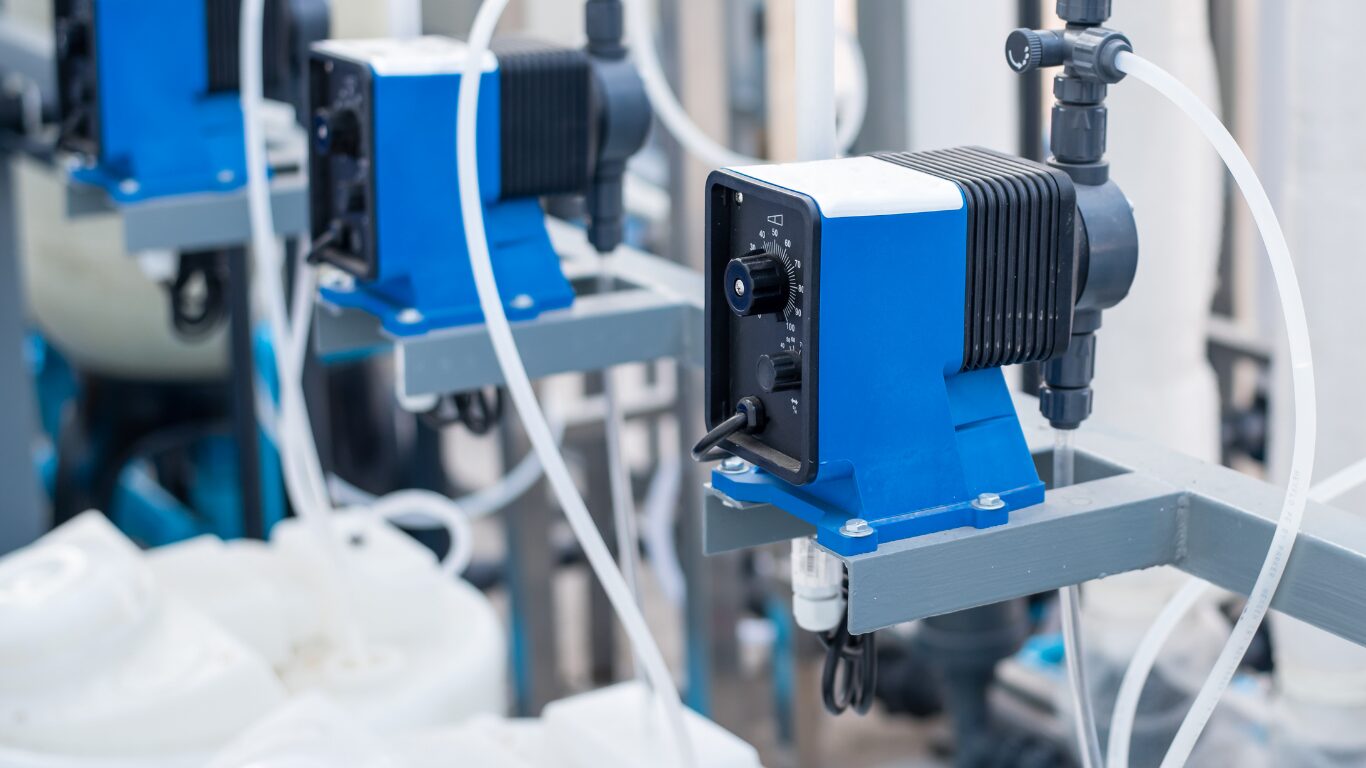
Water treatment systems rely on precise chemical management to keep processes safe, efficient, and reliable. At the heart of this control is the chemical dosing pump, a device designed to inject exact amounts of chemicals into a system at controlled intervals.
The right pump ensures consistent dosing that protects equipment, maintains water quality, and prevents common problems like scaling, corrosion, or microbial growth whether you’re managing a cooling tower, boiler, or industrial water loop, Operators often find that monitoring and adjusting these dosing pumps regularly makes a big difference in system performance. Understanding how they work is the first step in optimizing water treatment.
What a Chemical Dosing Pump Does in a Water Treatment System
A chemical dosing pump is a critical component in any water treatment system, designed to deliver chemicals at a controlled and consistent rate. Unlike standard pumps, dosing pumps operate with precision, allowing operators to adjust flow rate, pressure, and stroke to match the specific requirements of their applications. This is why many facilities rely on metering pumps for tasks like injecting biocides, corrosion inhibitors, or scale control chemicals.
The key advantage lies in chemical metering. Accurate dosing ensures the liquid chemicals reach the system at the right output, preventing over dosing or under dosing, both of which can compromise efficiency or safety. Operators can fine-tune each pump to match system demands, giving precise control over chemical distribution.
From municipal water treatment to industrial cooling towers, dosing pumps provide a reliable solution for maintaining consistent water quality. Teams often notice improved system performance when pumps are monitored and adjusted regularly to meet changing operational needs.
Types of Metering Pumps Used in Industrial Applications
In industrial water treatment, choosing the right chemical metering pump is essential for reliable and consistent chemical delivery. One of the most common types is the diaphragm metering pump, which uses a flexible diaphragm to move liquid precisely through the liquid end of the pump. This design allows the pump to handle a wide range of materials, including corrosive chemicals, while maintaining compatibility with the system.
Diaphragm pumps are valued for their ability to operate at maximum pressure without compromising high performance or safety. Capacities vary, often measured in gph, giving operators the flexibility to match output with system requirements. Other configurations, like piston or peristaltic pumps, are also used in various industries, depending on chemical type, flow requirements, and system design.
For teams managing industrial processes, selecting the right pump ensures reliable operation, reduces maintenance challenges, and provides consistent dosing, which is critical for water quality, equipment longevity, and overall process efficiency.
Critical Operating Factors: Flow Rate, Pressure, and Stroke Length
Understanding key operating factors is essential for achieving accurate dosing with a chemical dosing pump. The flow rate determines how much chemical is delivered over time, while pressure affects how the chemical moves through the system. Stroke length allows operators to adjust the volume of each pump cycle, helping to fine-tune output for specific applications.
Even small miscalculations can lead to over dosing or under dosing, which may compromise water quality, reduce efficiency, or damage equipment. Teams should routinely adjust pumps based on system performance and chemical requirements. Monitoring these factors closely ensures accuracy and helps ensure precision in chemical injection.
Regular calibration, proper maintenance, and careful observation allow operators to maintain consistent chemical levels. With attention to these operating factors, dosing pumps can provide reliable, repeatable results across industrial water treatment systems.
Chemical Dosing in Cooling Tower Applications
Consistent chemical dosing is essential to maintain water quality and protect equipment in cooling tower applications. Improper chemical levels can lead to scaling, corrosion, and microbial growth, including biofilm, which reduces heat transfer and can compromise safety. Operators should regularly monitor chemical control points and adjust dosing rates to ensure consistency throughout the process.
Using the right chemicals in combination with a well-calibrated chemical dosing pump allows teams to prevent common issues and optimize industrial water treatment performance. Regular inspection of pump operation, tubing, and injection points ensures reliable chemical delivery.
To understand how microbial buildup affects performance, read about biofilm in water.
Automation, Monitoring, and Smart Control
Modern chemical dosing pumps often come with electronic control systems, offering enhanced capability and precision in chemical injection. These pumps can be powered by variable voltage options, allowing operators to adjust settings for different industrial products or process demands. Integrating automation into a system reduces manual intervention, improves dosing accuracy, and helps teams maintain consistent water treatment performance across complex operations.
Advanced monitoring tools provide real-time feedback, alerting operators to potential issues before they impact the process. With the right setup, teams can discover trends in chemical usage, anticipate maintenance needs, and ensure optimal dosing for industrial applications. Smart control systems are reshaping the world of water treatment, making chemical management safer, more reliable, and easier to manage.
Learn more about integrating automation in water treatment here.
Building a Reliable Chemical Feed Strategy
A well-planned chemical feed strategy starts with selecting the right chemical dosing pump for your system and understanding the unique requirements of your applications. Teams should focus on reliable equipment that allows for precise adjustments, easy installation, and consistent chemical output. Regular monitoring and routine maintenance help maintain system efficiency, prevent downtime, and ensure chemicals are delivered safely and accurately.
Operators can also explore different solutions and services to optimize performance, from pump calibration to chemical storage and handling best practices. Want to build a chemical feed program that truly protects your system and maximizes efficiency? Reach out to us at R2J. Our team will assess your operation, recommend the right pump solutions, and guide you in implementing a strategy that ensures consistent, safe chemical dosing.
Frequently Asked Questions (FAQs)
What types of chemicals can a chemical metering pump handle?
Chemical metering pumps are designed for a wide range of chemicals, from corrosion inhibitors to biocides. Depending on the materials used in the tube, diaphragm, and pump body, these devices can be safely deployed across municipal applications and industrial systems worldwide. Selecting pumps with high performance and proper chemical compatibility ensures long-term reliability.
How do I determine the right pump capacity for my system?
Pump capacities are often measured in gallons per hour (gph). Operators should calculate their chemical needs based on system volume, target concentration, and dosing frequency. Many metering pumps allow adjustable stroke length and flow rate, providing solutions for both small and large-scale industries.
Can I integrate multiple pumps in one system?
Yes. Facilities often use several metering pumps with individual injectors to deliver multiple chemicals simultaneously. A compact design allows multiple units to fit in limited spaces while maintaining accurate dosing. Accessories such as check valves, tubing, and control panels can be added to improve system features.
Where can I purchase pumps and accessories?
You can store, shop, or stock pumps through specialized distributors or directly from suppliers. Many operators contact vendors to ensure compliance, review specifications in detail, and select items that help achieve operational goals efficiently.
How do I maintain and monitor a chemical dosing pump system?
Regular inspection of tubing, stroke adjustments, and calibration of flow rate is essential. Teams should explore maintenance routines to overcome operational challenges, ensure system services run reliably, and keep the chemical dosing process drawn to specification at all hours.

 Ed Sobolewski