Water Quality Monitoring for Industrial and Commercial Systems
Jan 30, 2026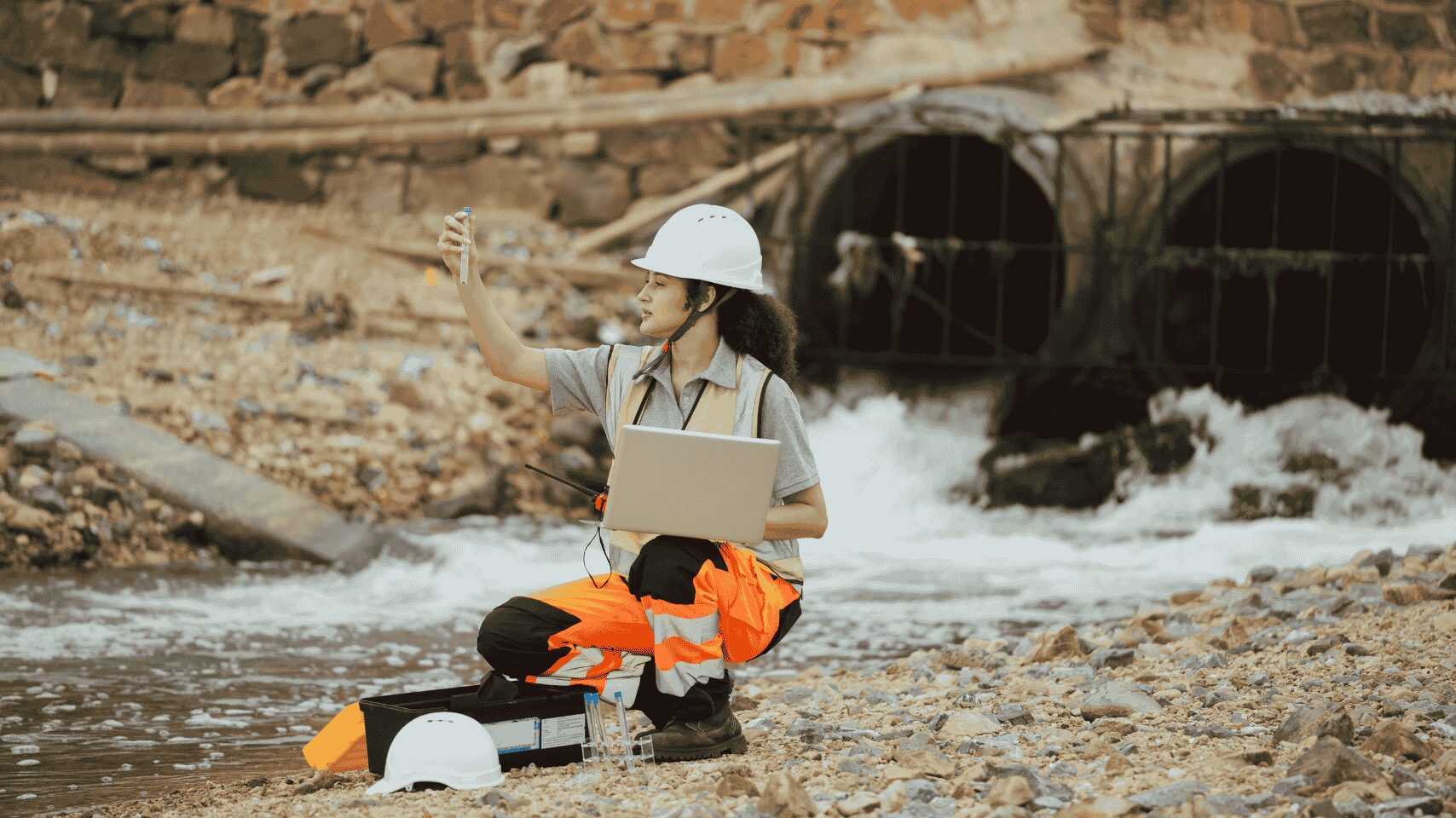
Water quality monitoring is a critical part of maintaining safe and efficient industrial and commercial water systems. Proper monitoring helps facilities track water quality over time, detect potential issues, and prevent equipment damage or operational disruptions. Through consistently assessing key parameters, operators can ensure that water remains suitable for processes, drinking, or cooling purposes.
Monitoring supports reliable operations, public health, and environmental stewardship. Teams that invest in effective water quality monitoring often identify problems early, reduce maintenance costs, and maintain a steady, safe water supply. Understanding the fundamentals of monitoring, its benefits, and practical approaches is essential for every facility. In this article, we will guide you through these essentials.
What is Water Quality Monitoring?
Water quality monitoring is the systematic process of assessing the condition of water in industrial, commercial, and municipal systems. It involves measuring key indicators to ensure that water supply remains safe, reliable, and suitable for its intended use, whether for industrial processes, cooling systems, or drinking water. Monitoring water quality helps facilities detect contamination, track trends over time, and maintain compliance with regulations. Data collected through this process supports informed decisions on treatment, maintenance, and resource management.
Operators often use a combination of field measurements and laboratory analysis to gather accurate water quality data. For a deeper understanding of how water chemistry affects systems, see our guide on Water Chemistry.
Key Water Quality Parameters
Effective water quality monitoring relies on tracking multiple water quality parameters that indicate the health and usability of a facility’s water. Dissolved oxygen and oxygen levels are critical for supporting aquatic life and preventing corrosion in cooling systems. Temperature affects chemical reactions, microbial growth, and the efficiency of industrial processes. Turbidity shows how clear the water is, helping operators identify sediment buildup or contamination. Salinity and conductivity indicate dissolved salts and minerals, which can impact equipment and processes.
Nutrients, such as nitrate and phosphate, need monitoring to prevent biological growth that could clog systems. Chemical parameters, including pH and residual disinfectants, ensure water is safe for drinking or process use. Teams that watch these parameters closely catch early issues, maintain compliance, and extend the life of their water systems.
Methods and Techniques for Monitoring
Monitoring water quality involves a variety of strategies to gather accurate and actionable data. Operators collect data through field measurements using sensors for temperature, dissolved oxygen, turbidity, conductivity, and salinity.
Biological and chemical testing, including analysis of dissolved organic carbon and other organic carbon compounds, often occurs in laboratories for more precise results. Automated monitoring systems provide continuous, real-time measurements and alerts, helping facilities detect issues immediately. Manual sampling, while more labor-intensive, allows for targeted testing and verification of automated data. Combining both approaches often produces the most reliable picture of water quality.
In systems like reverse osmosis units, careful monitoring water quality is critical to prevent scaling, fouling, and membrane damage. For a deeper look at how water quality affects system performance, see our guide on Reverse Osmosis Water Treatment.
Benefits of Water Quality Monitoring
Water quality monitoring offers numerous practical benefits for industrial and commercial facilities. By providing reliable data, it supports early detection of potential issues, preventing costly repairs and operational downtime. Regular monitoring also ensures compliance with regulations set by federal agencies and the Environmental Protection Agency, safeguarding environmental health and public health.
Facilities that prioritize monitoring maintain safe water for processes, cooling, or drinking purposes, while improving overall system efficiency. Assessment of water quality allows operators to make informed decisions, optimize treatment strategies, and protect both equipment and personnel. When implemented effectively, monitoring water quality becomes a critical tool for safety, cost savings, and sustainable operations.
Challenges in Maintaining Consistent Monitoring
Maintaining consistent water quality monitoring can be challenging due to natural variations and system complexities. Seasonal changes can cause fluctuations in water temperatures, flow, and chemical composition, affecting surface water, groundwater, rivers, lakes, wetlands, coastal waters, and bays. Equipment reliability is another concern; sensors may drift, clog, or fail, leading to inaccurate measurements.
Data interpretation can also be tricky, as trends may reflect normal seasonal changes or signal potential problems. Operators should anticipate these challenges and adapt monitoring strategies accordingly. Regular calibration, cross-checking automated readings with manual sampling, and proactive maintenance help ensure reliable results. For practical guidance on managing water chemistry in complex systems, see our guide on Cooling Tower Alkalinity.
Developing an Effective Monitoring Program
Building an effective monitoring program starts with defining clear objectives and identifying the critical water systems to assess. Facilities should determine which parameters to measure and establish the frequency of sampling, balancing regulatory requirements with operational needs. Collecting accurate water quality data is essential for making informed decisions and supporting management strategies. Teams should implement standardized procedures for data collection, analysis, and reporting to ensure consistency and reliability.
Regular assessment of trends allows operators to identify early warning signs and make timely adjustments. Continuous improvement is key: review monitoring strategies periodically, update protocols as systems evolve, and provide support and training for staff. Well-designed monitoring programs not only protect operations but also improve efficiency, ensure regulatory compliance, and maintain safe water for all users.
The Role of Technology and Automation
Modern water quality monitoring increasingly relies on technology and automation to provide accurate, reliable data. Advanced sensors and IoT devices enable continuous measurements of parameters such as temperature, dissolved oxygen, and turbidity, giving operators real-time insights into water resources. Automated monitoring strategies reduce human error, streamline data collection, and allow teams to detect trends or anomalies quickly. Software platforms support analysis, visualization, and reporting, making it easier to manage large volumes of data and support decision-making.
In addition, automation facilitates research and assessment of primary production, environmental impacts, and system performance. Facilities that adopt these tools benefit from faster response times, more consistent monitoring, and improved operational efficiency across industrial and commercial water systems.
Industry Applications and Case Examples
Water quality monitoring plays a vital role in a variety of industrial and commercial systems. In cooling towers and boilers, operators often catch early issues by tracking temperature, flow, and chemical parameters to prevent scaling, corrosion, or equipment failure. Reverse osmosis and water softener systems rely on consistent monitoring to maintain a reliable water supply and protect membranes from fouling or mineral buildup.
Facilities managing wastewater or drinking water must ensure proper treatment to safeguard plants, fish, wildlife, and surrounding habitats. Practical monitoring strategies help operators identify trends, adjust treatment, and maintain compliance.
Steps to Start Water Quality Monitoring in Your Facility
Starting a water quality monitoring program begins with a clear assessment of your facility’s water systems and priorities. Identify critical points for sampling, determine the key parameters to track, and establish a consistent schedule for monitoring. Implement reliable data collection and management practices to support informed decisions and early detection of potential issues. Train staff on monitoring procedures, data interpretation, and response protocols to protect both equipment and personnel. Regularly review results and adjust strategies to improve effectiveness and maintain safe, high-quality water.
Need guidance on building a stronger monitoring plan? Contact R2J today, and our experts will help you design a program that improves efficiency, ensures safety, and protects your facility’s water systems.
Frequently Asked Questions (FAQs)
What is the role of dissolved oxygen in water quality?
Dissolved oxygen is essential for aquatic life and serves as a key indicator of overall water health. Monitoring oxygen levels helps prevent stress on fish, plants, and other wildlife, and ensures that water systems maintain a balanced ecosystem.
How do water temperatures affect monitoring results?
Water temperature influences chemical reactions, microbial growth, and nutrient cycling. Regular temperature measurement ensures monitoring data accurately reflects the true conditions of the water and supports effective water management decisions.
Why is nitrate monitoring important for drinking water?
High nitrate levels can pose serious health risks, particularly for infants and vulnerable populations. Tracking nitrates in groundwater, streams, or coastal waters helps facilities maintain safe drinking water and prevent exposure to harmful concentrations.
What are physical and chemical parameters in monitoring?
Physical parameters include factors like turbidity and temperature, while chemical parameters cover nutrients, pH, and contaminants. Monitoring both types provides a comprehensive understanding of water quality for safe and reliable management.
How is water quality data used in facility management?
Collected data informs assessment, decision-making, and adjustments to treatment processes. It helps operators protect equipment, ensure compliance with regulations, and maintain a safe, reliable water supply for both industrial and municipal applications.
 Mike Gunn