What Is Hard Water and Why It Causes System Problems
Jan 09, 2026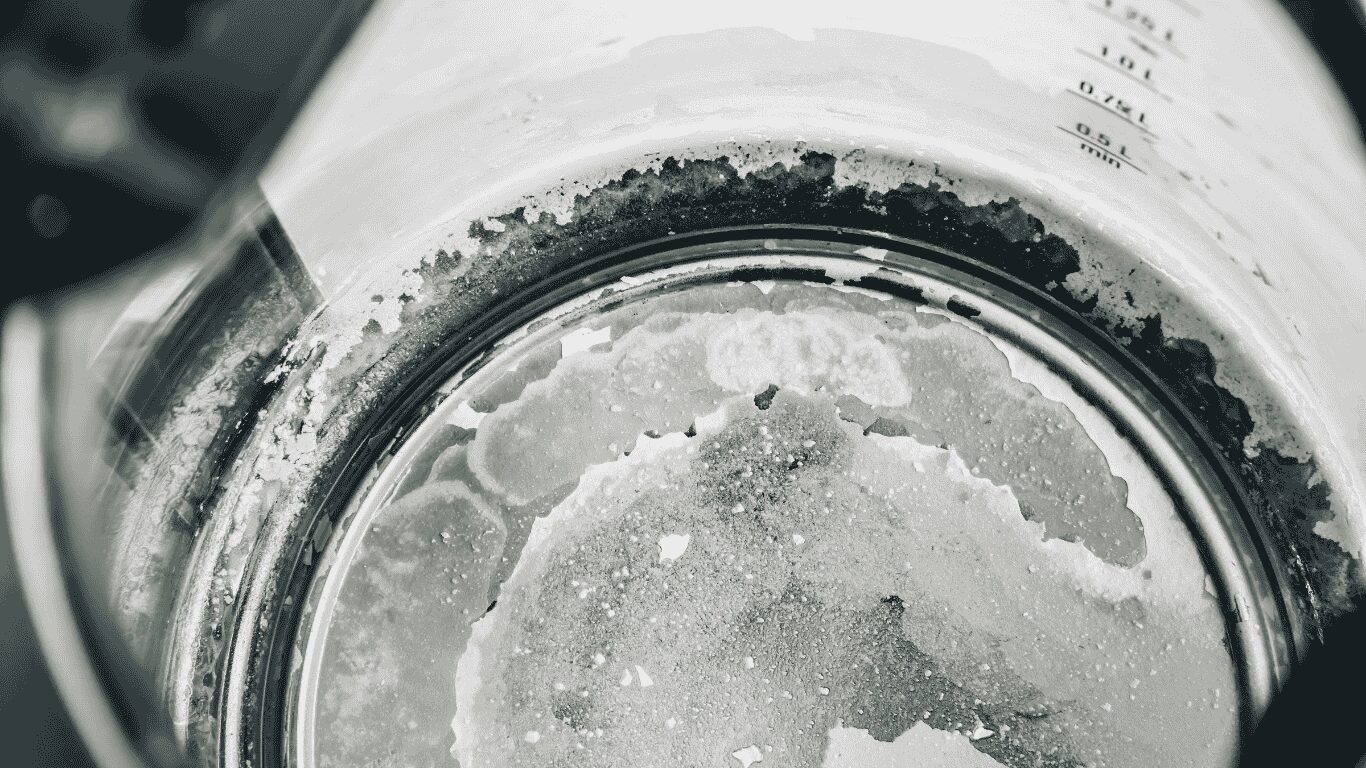
When teams ask us what is hard water, they are usually reacting to a problem they can see or feel. Maybe it is scale forming on equipment, soap that never seems to rinse clean, or fixtures that look worn far earlier than expected. Hard water is not a niche issue. It shows up in facilities of every size and across nearly every industry, and it directly affects water quality, system reliability, and operating costs.
At its core, hard water is water that carries elevated levels of dissolved minerals picked up as water moves through soil and rock before entering a building’s water supply. These minerals are naturally present, but once they enter piping, heaters, and process equipment, they begin to influence performance in ways that are easy to overlook at first.
Whether the concern is drinking water quality, equipment efficiency, or long-term maintenance planning, understanding how hard water behaves is the first step toward managing it effectively.
What Is Hard Water?
Hard water is not dirty water and it is not treated incorrectly. It is fresh water that naturally contains higher levels of dissolved minerals, mainly calcium and magnesium. These minerals enter the water long before it reaches a building, and once they are present, they shape how the water behaves in everyday use and in critical systems. This is the foundation of water hardness, and understanding it early helps avoid a lot of confusion later.
At a practical level, hard water has a few defining characteristics that set it apart from pure water:
- As water moves through soil and rock, naturally occurring minerals dissolve into it, increasing mineral content without changing clarity or smell.
- Calcium and magnesium remain fully dissolved in the water, which means hard water can look clean while still creating operational challenges.
- Water hardness reflects the concentration of these minerals, not the presence of contaminants or pathogens.
- Hard water behaves differently during heating, cleaning, and circulation compared to pure water, even when the water appears identical at the tap.
So when we define what is hard water, we are really describing how mineral-rich water interacts with systems over time. Those minerals stay in solution until conditions change, and when they do, the effects show up in places operators least want them.
Where Hard Water Comes From in Natural Water Sources
One thing we always remind operators is that hard water is not random. Water hardness varies because the earth beneath us varies. Long before water reaches a treatment plant or a building, it is shaped by geology, chemistry, and time. Understanding where hardness comes from helps explain why neighboring facilities can experience very different water-related issues.
As water moves through the environment, several natural processes are at work:
- Rainwater absorbs carbon dioxide from the air and soil, forming weak acids that allow minerals to dissolve more easily once the water reaches the ground.
- As water flowing through soil and rock becomes part of underground aqueous solutions, it reacts with minerals that contain calcium and magnesium.
- Rocks rich in limestone and similar formations release carbonate ion compounds, increasing mineral content as water travels deeper.
- When water enters aquifers, the length of contact time with rock directly influences mineral uptake and overall hardness levels.
Scientists track these patterns through geological survey data and water sampling. These studies examine major ion chemistry to understand which ions dominate a water source. In regions with major ion chemistry concentrations that favor calcium and magnesium, hardness levels tend to be consistently higher.
This natural variability explains why hardness differs by location and why treatment strategies must account for local conditions rather than relying on one-size-fits-all assumptions.
The Chemistry Behind Hardness Minerals
To really understand hard water, it helps to look at what calcium and magnesium are doing at a chemical level. These elements are not floating around as solid particles. They exist in water as calcium and magnesium ions, and that distinction matters. Their behavior in solution explains why hardness shows up quietly at first and then creates problems over time.
Here is how the chemistry works without getting overly technical:
- Calcium and magnesium dissolve into water as positively charged metal cations, which allows them to stay evenly distributed in the water.
- These magnesium ions and calcium ions remain stable in solution under normal conditions, especially when present at relatively high concentrations.
- The chemical properties of these ions make them highly reactive with other compounds, particularly soaps, detergents, and carbonate-based materials.
- The ions causing hardness do not change the appearance of water, which is why hard water often goes unnoticed until scale or residue appears.
What makes these hardness minerals especially troublesome is how they respond to changes in temperature and pressure. When water is heated or allowed to evaporate, calcium and magnesium ions are more likely to bond with other compounds and fall out of solution. That is when dissolved minerals turn into solid deposits.
This behavior is not a flaw in the water itself. It is simply how these minerals behave when chemistry shifts. Once operators understand that calcium and magnesium are reactive ions rather than contaminants, it becomes much easier to predict where problems will appear and why managing mineral chemistry is a core part of water system reliability.
How Water Hardness Is Measured and Classified
Once teams understand what hardness is, the next question is how it is actually measured. Hardness is not a vague description. It is a quantified value that shows up in water reports, lab results, and treatment system settings. Knowing how to read these numbers helps operators make informed decisions instead of guessing.
Water hardness is most commonly expressed in two formats:
- mg l, or milligrams per liter, which reflects the total mineral content contributing to hardness.
- grains per gallon, a traditional unit still widely used in treatment system design and operational planning.
Both units describe the same thing, just on different scales. Higher numbers indicate more dissolved calcium and magnesium in the water. When reports show high concentrations, it signals a greater likelihood of scale formation, soap inefficiency, and long-term equipment stress.
Hardness is also classified into general ranges that operators often see in assessments:
- Water described as moderately hard contains enough minerals to cause visible effects over time but may not trigger immediate system failures.
- When water moves into harder classifications, it becomes increasingly water hard, and the impact on equipment and cleaning processes becomes harder to ignore.
These classifications exist to simplify decision-making. They translate raw mineral content data into actionable guidance. Understanding where your water falls on this scale is the first step toward choosing appropriate monitoring, treatment, and maintenance strategies.
Hard Water vs Soft Water in Real-World Systems
The differences between hard and soft water become most obvious once water starts moving through real systems. On paper, the distinction may seem minor. In practice, the behavior of water changes dramatically depending on mineral content, and those changes affect daily operations in ways teams notice quickly.
Here is how the comparison typically plays out across facilities:
- Soft water contains little to no hardness minerals, allowing it to interact more efficiently with soaps, detergents, and heat transfer surfaces.
- Softened water, produced through water softening, has had calcium and magnesium removed or exchanged, reducing scale risk and improving system performance.
- Hard water reacts with cleaning agents, reducing effectiveness and creating residue that builds up over time. This is a major disadvantage in kitchens, laundry operations, and process cleaning.
- In equipment, hard water deposits form in pipes and heat exchangers, while soft water flows freely and transfers heat more efficiently.
It is important to note that hardness exists in varying degrees. Some facilities operate with only minor issues for years, while others see rapid buildup and performance losses. The difference often comes down to temperature, flow rates, and how frequently water is heated or evaporated.
Choosing to soften hard water is not about making water better in an abstract sense. It is about matching water chemistry to system demands. When hardness is managed properly, operators gain consistency, reduce maintenance pressure, and regain control over performance rather than reacting to problems after they appear.
How Hard Water Affects Plumbing, Pipes, and Equipment
This is where hard water stops being an abstract chemistry issue and starts showing up in day-to-day operations. I have walked through enough mechanical rooms to know that problems in pipes rarely begin suddenly. They build quietly, layer by layer, until flow, pressure, or reliability is compromised.
Here is how hard water typically affects plumbing and equipment over time:
- Inside water pipes, minerals settle out of solution and attach to interior surfaces, creating mineral buildup that slowly narrows the pipe diameter.
- As scale buildup thickens, systems work harder to move water, which increases energy use and stresses pumps and valves.
- Calcium deposits are especially stubborn. Once they form, they bond tightly to metal surfaces and resist normal flushing or rinsing.
- The residue left behind by evaporating water accumulates on plumbing fixtures, leading to staining, rough surfaces, and premature wear.
Operators often first notice symptoms rather than causes. Reduced flow, inconsistent temperatures, or pressure drops are early signs. Over time, unchecked buildup can lead to clogged pipes, leaks, or even failures that require invasive repairs. Equipment that relies on steady flow and clean surfaces, such as heat exchangers and control valves, is especially vulnerable.
Regular inspection and cleaning help, but mechanical removal alone is rarely enough. Flushing programs are one way teams restore performance by removing loose deposits before they harden. For a closer look at how this works in practice, see our guide on effective pipe flushing and why it plays a critical role in system longevity. Addressing hardness at the source reduces the frequency and severity of these issues, saving time, labor, and long-term repair costs.
Hard Water in Heating Systems, Boilers, and Water Heaters
Hard water is often most visible where water is heated. Water heaters, boilers, and other heat-transfer equipment are particularly sensitive to the minerals dissolved in hard water. While these minerals are harmless in cold water, they quickly become a source of inefficiency and maintenance challenges once heat is introduced.
Here’s what happens as hard water interacts with heating systems:
- As water moves through pipes and heating elements, calcium and magnesium ions precipitate out, forming scale buildup on interior surfaces.
- Scale acts like insulation, reducing heat transfer efficiency and forcing boilers and heaters to work harder to maintain temperature.
- Over time, this can stress pumps, strain pipes, and create uneven heating, which affects everything from comfort systems to process reliability.
- Hard water can also react with cleaning chemicals or other compounds in the system, leaving deposits that interfere with flow or cause corrosion.
- Even small deposits can accumulate in areas that are difficult to access, making routine maintenance more time-consuming and less effective.
Operators often catch early signs when water does not wash surfaces or components as expected, or when energy use climbs without a corresponding increase in demand. Preventing these issues starts with regular monitoring and testing.
For facilities relying on boilers, scheduled boiler water testing is critical. It helps identify hardness levels, scale risk, and water chemistry issues before they become costly problems. By understanding how hard water behaves under heat, teams can proactively manage deposits, extend equipment life, and maintain system efficiency.
Cleaning Challenges Caused by Hard Water
One of the first things operators notice about hard water is how it affects cleaning. Whether it’s kitchens, laundries, or general maintenance, water that contains high levels of calcium and magnesium doesn’t behave the same way as soft water. Even routine tasks can become frustrating and costly over time.
Here’s what typically happens:
- Hard water reacts with soap and detergents, reducing their effectiveness. Surfaces don’t rinse clean, which forces teams to use more soap than usual to achieve the same results.
- The reaction between hardness minerals and cleaning agents produces soap scum, a stubborn residue that clings to sinks, tubs, countertops, and dishware.
- Over time, repeated cleaning with hard water can leave hard water stains on glass, stainless steel, and tile, creating the appearance of grime even when areas are well-maintained.
- In laundries, clothes may feel stiff, look dull, or wear out faster because minerals bond with fabrics and interfere with detergent performance.
These issues are more than just cosmetic. They increase labor, chemical use, and maintenance costs while also potentially affecting hygiene standards and operational efficiency. Understanding the chemistry behind the problem, like how calcium and magnesium interact with soap and other compounds, helps teams plan smarter cleaning routines, select appropriate detergents, and consider water treatment options that reduce mineral interference.
Addressing hard water at the source can turn cleaning from a daily frustration into a predictable, efficient process.
Is Drinking Hard Water a Health Concern?
Many people ask whether drinking hard water is a health concern. The short answer is that, for most people, hard water is safe to drink. The calcium and magnesium it contains are essential minerals, and research generally shows no direct link between typical water hardness and serious health problems. However, it’s natural to wonder about potential adverse health effects, especially in areas with extremely high mineral concentrations.
Some studies suggest that very hard water may have minor links to cardiovascular disease, but evidence is limited and often inconsistent. Organizations like the Environmental Protection Agency and the Water Quality Association do not classify hardness as a regulated contaminant, focusing instead on factors that directly affect water safety, taste, and equipment performance.
The key takeaway is that while hard water may leave deposits, affect soap efficiency, or alter taste, it is rarely harmful to consumers in normal circumstances. Operators concerned with both safety and compliance can benefit from understanding hardness as part of overall water quality management. Routine testing and monitoring ensure that drinking water meets local standards and maintains high quality for building occupants.
For facilities looking to verify safety and consistency, following guidance on potable water compliance provides practical steps to confirm that water hardness does not compromise health or operational goals. Understanding the balance between mineral content and water quality lets teams focus on effective system maintenance without unnecessary alarm.
How Water Softeners Work to Treat Hard Water
Once teams understand the impact of hard water, the next step is exploring solutions. One of the most common and effective methods is a water softener, a system designed to reduce calcium and magnesium levels before the water reaches critical equipment or fixtures. Softening water is not about removing all minerals, but about controlling the hardness minerals that cause scale, residue, and cleaning challenges.
Here’s how the process works in practical terms:
- Water enters the softener and passes through a resin bed containing sodium ions. Through ion exchange, calcium and magnesium ions are attracted to the resin and replaced with sodium.
- This ion exchange process transforms hard water into softened water, which behaves more like pure water in terms of cleaning efficiency and scale prevention.
- Over time, the resin bed becomes saturated with calcium and magnesium and must be regenerated. This regeneration process uses a concentrated brine solution to restore sodium ions and maintain system effectiveness.
- Softened water reduces scale buildup, extends equipment life, improves soap performance, and prevents deposits in pipes and heat exchangers.
Operators often notice immediate benefits when softened water is introduced. Water flows more freely, surfaces stay cleaner, and energy efficiency improves because heating systems don’t have to work as hard. While sodium levels rise slightly, they are typically low and manageable for most applications, making the trade-off worthwhile for operational efficiency.
Understanding the fundamentals of a water softener helps teams plan maintenance schedules, select appropriate resin types, and monitor system performance without guessing or over-treating water. Properly managed softening is a cornerstone of reliable water quality in facilities.
Lime Softening and Other Hardness Reduction Methods
For larger facilities or municipal water systems, simple ion exchange may not be sufficient. That’s where alternative methods like lime softening come into play. These approaches are designed to handle higher volumes of water and more complex mineral profiles, helping operators maintain consistent water quality across an entire water supply.
Here’s how lime softening works in practice:
- Calcium hydroxide is added to water, which reacts with dissolved carbonate ions and other hardness minerals to form solid particles.
- These particles settle out, removing significant amounts of calcium and magnesium from the water before it moves into distribution systems or facility piping.
- The process also has the benefit of removing other metals that may be present in trace amounts, improving overall water quality and reducing potential staining or corrosion issues.
Unlike small-scale water softeners, lime softening is suitable for treating water with high concentrations of hardness minerals. It is commonly used in municipal plants or large industrial operations where water demand exceeds the capacity of standard ion exchange systems.
Operators should be aware that lime softening requires careful control of chemical dosing, settling time, and sludge management. When done correctly, it produces a more manageable water profile that protects equipment, reduces cleaning challenges, and supports operational efficiency across the facility.
Understanding alternative hardness reduction methods gives teams options beyond standard softeners, ensuring water is treated effectively no matter the scale or complexity of the system.
Operational Signs Your Facility Is Dealing With Hard Water
As someone who has spent years walking through mechanical rooms and facilities, I can tell you that hard water often announces itself in subtle ways before it becomes a serious problem. Teams who know what to look for can catch issues early, saving time, energy, and repair costs.
Here are common operational signs that indicate hard water may be affecting your systems:
- Mineral buildup inside pipes, valves, or heat exchangers that reduces flow or creates uneven pressure.
- Scale buildup on heating elements, plumbing fixtures, or equipment surfaces, which can increase energy use and strain pumps.
- Water spots, staining, or residue on sinks, glassware, or production equipment, suggesting persistent mineral deposits.
- Declining cleaning efficiency, where detergents or soaps leave a film despite normal use, indicating that hardness minerals are interfering with cleaning.
- Results from current assessments showing elevated calcium and magnesium levels, or reports of inconsistent water chemistry in the system.
Paying attention to these indicators allows operators to act proactively. Small adjustments in water treatment, filtration, or flushing schedules can prevent minor signs from turning into full-scale maintenance problems.
Monitoring water quality regularly and documenting observations ensures teams have a clear picture of how hardness affects their systems. Recognizing these operational signs is the first step toward creating a water management plan that keeps equipment running efficiently and reduces long-term maintenance headaches.
Building a Smarter Hard Water Management Strategy
Managing hardness effectively starts with understanding your water supply and how it interacts with your facility’s systems. Operators often catch early issues by monitoring water consistently, rather than waiting for problems like scale buildup or reduced flow to appear. A proactive approach keeps operations running smoothly and helps protect equipment over the long term.
Here are practical steps for a smarter hard water management strategy:
- Begin with regular testing of water quality at multiple points in the system. Tracking hardness levels over time shows trends and identifies areas at higher risk.
- Determine which treatment methods are appropriate for your facility. Water softening through ion exchange is common, but in some cases additional treatments or blended approaches may be needed to fully soften hard water.
- Adjust maintenance routines based on hardness trends. Systems with elevated mineral content may require more frequent flushing, cleaning, or equipment inspections to prevent deposits from forming.
- Document observations and treatments to create a reference point for future operational decisions. This helps teams respond quickly when water conditions change, reducing downtime and energy waste.
By combining regular monitoring, informed treatment, and adaptive maintenance, operators can take control of hardness before it escalates. A structured strategy allows teams to maintain consistent water quality, extend equipment life, and reduce the hidden costs associated with untreated hard water.
This approach ensures that water-related challenges are addressed systematically rather than reactively, keeping facilities efficient and reliable.
Taking the Right Next Steps With Hard Water
Understanding what is hard water and its effects on systems is only the first step. Hardness minerals quietly impact equipment efficiency, cleaning effectiveness, and overall water quality. Operators who recognize the signs: scale buildup, mineral deposits, or reduced flow can address issues before they escalate into costly repairs or downtime.
The most effective approach combines regular monitoring, thoughtful treatment, and preventive maintenance. Testing your water supply, implementing water softening, and keeping an eye on hardness trends allows teams to maintain smooth operations and extend equipment life. Paying attention to these details ensures that systems perform reliably and cleaning processes remain efficient.
Don’t wait for scale, clogged pipes, or mineral deposits to disrupt operations. Talk to R2J experts today to identify your facility’s hard water risks and implement practical solutions that protect equipment, reduce maintenance costs, and improve overall water performance.
Frequently Asked Questions (FAQs)
What is the difference between hard water and well water?
Well water is a source of water drawn from underground aquifers. Depending on the local geology, it can contain high mineral content, including calcium and magnesium, which contribute to water hardness. While not all well water is hard, it often requires monitoring and treatment if mineral levels are elevated.
How does high mineral content affect daily operations?
Water with high mineral content can cause hardness issues in plumbing, heating systems, and cleaning processes. Minerals accumulate as scale buildup, reduce efficiency in water heaters, and leave residues on fixtures and equipment. Recognizing these effects early allows operators to implement preventive measures before problems escalate.
Can soft water be used to manage hard water problems?
Yes. Introducing soft water, either through water softening or blending, reduces calcium and magnesium levels. This minimizes scale formation, improves cleaning efficiency, and extends the life of pipes and equipment. Soft water also ensures that detergents and soaps work as intended.
Why is it important to monitor minerals in my water supply?
Tracking minerals such as calcium and magnesium helps assess hardness trends and identify potential risks for systems. Regular testing ensures water quality remains consistent, supports compliance with operational standards, and prevents costly repairs due to mineral deposits or scale.
What are practical steps to address water hardness in facilities using well water?
Facilities relying on well water can manage hardness by testing mineral levels, installing a water softener, and scheduling preventive maintenance for systems prone to scale. Addressing hardness proactively helps maintain operational efficiency, protects equipment, and keeps cleaning and heating processes running smoothly.

 Tony Toscano