Hotel Water Treatment: Water Treatment Essentials
Dec 05, 2025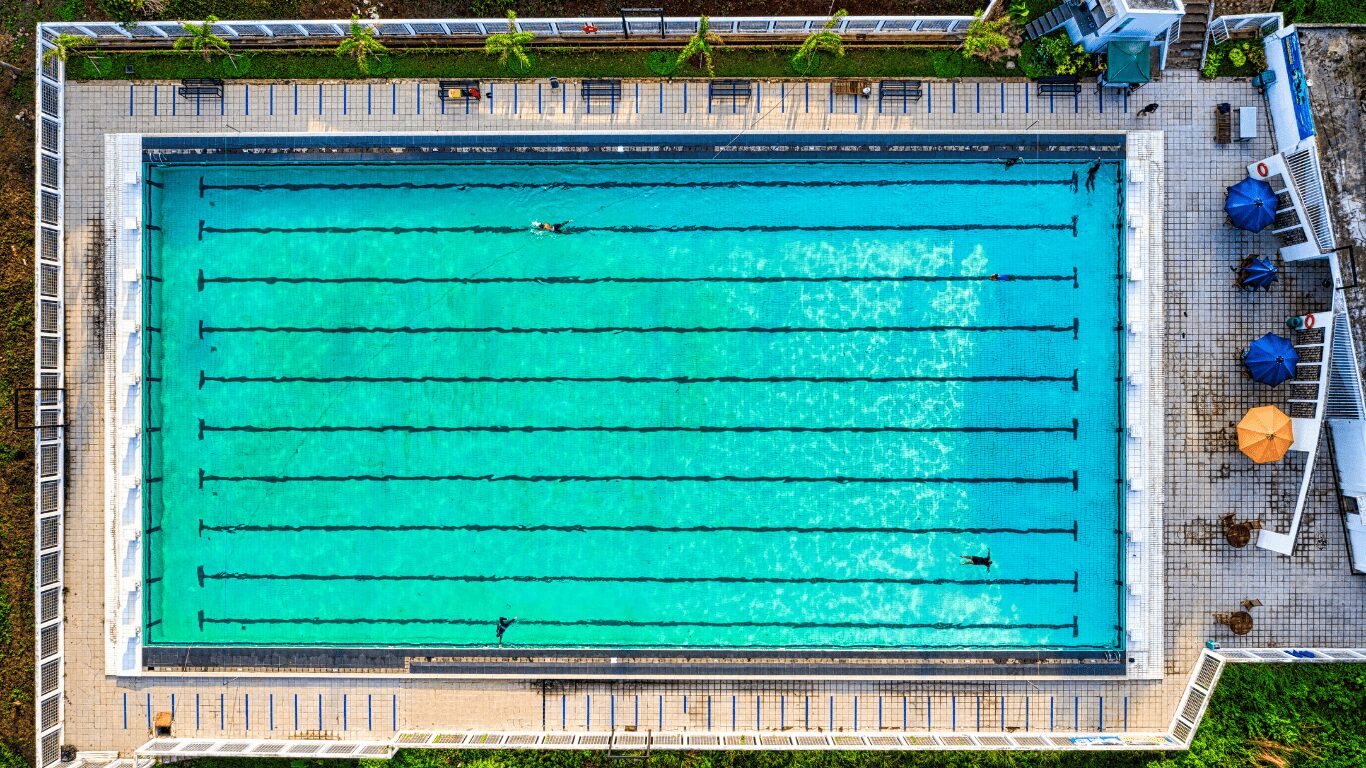
When we sit down with hotel engineers and operations teams, water is usually the first thing we talk about. Every property depends on stable, dependable water quality because it shapes almost every part of daily operations. This is why hotel water treatment is never optional. It’s foundational.
Hotels and resorts rely on clean, consistent water to support guest rooms, kitchens, laundry operations, and mechanical equipment behind the scenes. If the water entering the building is not properly managed, even small issues can grow into service disruptions or guest complaints.
Over the years, we have seen how a focused approach to water management protects equipment, reduces risk, and creates a smoother experience for guests and staff. In this article, we will walk you through the essentials so you can strengthen the way your facility handles water day in and day out.
Why Water Quality Matters in Hotels and Resorts
Teams in hospitality see firsthand how much water shapes the guest experience. It’s part of every touchpoint, from the shower in the morning to the water served in the dining room. When water quality slips, comfort slips with it, and guests notice faster than most managers expect.
- Clean water helps guests feel at ease, since clear, fresh water sets the tone for trust the moment they arrive.
- Safe water protects health and comfort, especially when guests are drinking, showering, or swimming in treated water throughout their stay.
- Strong water practices maintain a smooth guest experience by preventing cloudy glassware, unpleasant odors, or taste issues that quietly damage guest satisfaction.
- Reliable treated water reduces operational surprises, giving staff fewer fires to put out and allowing teams to stay focused on service instead of scrambling to correct avoidable water problems.
Water often operates behind the scenes, but it influences every impression a guest forms. Well-managed water is one of the simplest ways to strengthen comfort, raise service quality, and support consistently positive reviews.
Key Water Treatment Challenges in the Hospitality Industry
In the hospitality industry, water conditions rarely stay the same for long. Hotels depend on stable incoming water to keep rooms, kitchens, and mechanical systems running smoothly, yet that stability is not always guaranteed. Even small shifts in municipal water or source conditions can ripple through the building faster than most teams expect.
- Many properties experience fluctuations in incoming water because municipal water systems can change with seasonal demand, repairs, or disturbances in the distribution network.
- Untreated water sometimes introduces harmful substances that put stress on internal plumbing and increase the need for corrective treatment.
- Specific contaminants, including heavy metals, may enter the water supply without obvious warning signs, which is why operators benefit from routine testing and trend tracking.
- Harmful bacteria can grow in stagnant lines or warm areas of the system, and these issues often stay hidden until someone performs a targeted check.
- Corrosion and scale form more quickly when water chemistry shifts, leading to blocked lines, worn surfaces, and reduced efficiency throughout the property.
Most of these challenges develop quietly, which is what makes them difficult. The hotels that stay ahead are usually the ones that monitor their systems closely and treat unusual readings as early signals rather than isolated events.
Core Water Treatment Systems Used in Hotels
Hotels rely on multiple water treatment systems to keep operations running smoothly, protect equipment, and deliver the clean water guests expect. Choosing the right technologies is less about having the newest machines and more about matching the treatment to the property’s specific water conditions.
- Filtration systems form the foundation of any hotel water plan, removing sediment and particulate that can damage pipe systems, boiler systems, and cooling towers. Proper filtration keeps equipment running efficiently and reduces maintenance headaches.
- Water softeners address hard water challenges, preventing scale buildup in boilers, cooling towers, and dishwashers. Softening also protects laundry and kitchen equipment while lowering operating costs over time.
- Reverse osmosis units use a semi permeable membrane to remove dissolved solids, producing purified water for drinking water stations, ice machines, and high-end food service. This ensures guests enjoy safe drinking water and great tasting water throughout the property.
- Ultraviolet light systems and chemical feed programs help control harmful bacteria and other contaminants, maintaining safe water and consistent water quality across the facility. For a closer look at automated dosing solutions, check out our guide on chemical feed systems.
- Multimedia filtration and cartridge filters work alongside other systems to capture finer particles, protecting delicate equipment and reducing operational interruptions.
- Cooling towers and boiler systems benefit from coordinated water treatment, which minimizes corrosion, scale, and downtime while extending the life of critical hotel infrastructure.
When these systems operate together, they form a seamless network that keeps water safe, clean, and reliable, supporting both the guest experience and long-term operational efficiency.
Water Treatment for Guest-Facing Features
Guests notice water quality in ways that often go beyond what operators see in mechanical rooms. From the tap in their room to recreational and food service areas, the quality of water directly shapes comfort, safety, and satisfaction. Proper treatment ensures every interaction leaves a positive impression.
- Swimming pools and hot tubs need consistent disinfection and filtration to provide safe, clean water while preventing harmful bacteria from growing. Balanced chemistry also keeps water clear and inviting.
- Drinking water and ice machines require treatment to ensure high quality water and great tasting water for beverages, coffee, or other food service needs. These systems are often overlooked, but they are critical to the guest experience.
- Hot showers are a small but memorable touchpoint. Proper water treatment prevents scale buildup and discoloration, delivering a reliable hot shower without interruptions.
- Food service areas, including kitchens and beverage stations, rely on clean and safe water for making coffee, cooking, and cleaning. Water that is inconsistent or poorly treated can affect taste and hygiene, impacting guest satisfaction.
Operators often catch early issues by monitoring these guest-facing systems closely and integrating automated solutions where possible.
Legionella Management in Hotels
Legionella bacteria can pose serious risks in hotels if water systems aren’t carefully managed. While guests rarely see these risks, operators know that untreated or poorly maintained water can allow bacteria to grow in cooling towers, hot water systems, and recreational features. Managing Legionella is essential for both guest safety and regulatory compliance.
- Regular monitoring of water temperature and flow in hot water systems, cooling towers, and pipe networks helps detect conditions where Legionella could grow.
- Cleaning and disinfecting equipment like boilers, hot tubs, and ice machines prevents bacterial buildup and protects guest well being.
- Incorporating water treatment systems, including chemical dosing or ultraviolet light, provides continuous protection while maintaining water quality for drinking and recreational use.
- Documentation and risk assessments are critical. Maintaining logs of inspections, cleaning schedules, and treatments ensures compliance and helps hotel teams respond quickly if a potential issue arises.
Teams that stay ahead of Legionella often combine proactive monitoring with targeted treatment programs, keeping water safe without disrupting operations. For a practical guide on preventing and controlling Legionella in hotel water systems, see our detailed resource here: Legionella Control in Water Systems.
Managing Water Usage and Operating Costs
Hotels and resorts handle large volumes of water every day, and inefficient water management can quickly translate into higher bills and stressed equipment. Proper treatment not only protects systems but also creates measurable cost savings over time, giving operators more control over both water usage and operating costs.
- Effective water treatment reduces scale and mineral buildup in boilers, chillers, and cooling towers, improving heat transfer and lowering energy costs while extending equipment life.
- Well-maintained water systems require fewer repairs, reducing maintenance costs and minimizing unexpected downtime in critical operations.
- Monitoring water usage helps identify leaks, inefficiencies, or overuse in guest rooms, kitchens, and laundry, giving staff the ability to save money and optimize performance.
- Optimized systems improve operational efficiency by ensuring pumps, valves, and pipes run smoothly, even when handling large volumes of water during peak occupancy or high-demand seasons.
- Cost-effective treatment strategies, like softeners or reverse osmosis for select applications, help hotels achieve consistent water quality without overspending on chemicals or energy.
Sustainable Water Treatment Approaches for Hotels
Sustainability is becoming a key expectation in the hospitality industry, and water management plays a central role. Hotels that adopt sustainable water treatment not only reduce their environmental impact but also show responsibility toward the surrounding community and natural resources.
- Smart dosing and automated chemical control minimize waste and prevent overuse, reducing the environmental footprint of hotel water systems.
- Reuse of treated water for nonpotable applications, such as irrigation, cooling towers, or toilet flushing, cuts down on freshwater demand and lowers wastewater discharge.
- Integrating wastewater treatment and monitoring systems ensures that any water leaving the property meets regulatory standards and protects the pristine environment nearby.
- For properties using desalination plants or large-scale purification, sustainable practices help balance energy use, reduce operating costs, and maintain a reliable supply without compromising water quality.
Hotels can adopt these approaches gradually, starting with automated monitoring or chemical-free alternatives. For a practical guide to implementing eco-friendly water solutions, see our article on sustainable water treatment.
Steps to Strengthen Your Hotel’s Water Management Program
Running a hotel or resort means juggling many priorities, but water management is one area where proactive attention pays off every day. Proper water treatment is essential for both guest satisfaction and the long-term health of your facility’s systems.
- Start by assessing your facility’s specific needs. Understanding source water quality, usage patterns, and the types of systems installed allows teams to tailor treatment plans that are both effective and cost-efficient.
- Ensure regulatory compliance by keeping up with local guidelines and industry standards. Regular testing and documentation not only protect guests but also safeguard the property against potential liability.
- Maintain consistent access to safe water throughout the property. Routine monitoring and preventive maintenance help catch minor issues before they escalate, keeping drinking water, cooling towers, and boilers performing reliably.
- Engage water experts when needed. Consulting with professionals can provide insights into system upgrades, risk mitigation, and emerging technologies that improve operational efficiency and reduce long-term costs.
Need guidance on refining your hotel’s water management approach? Talk to our water experts today, and we can help you develop a program that strengthens efficiency, ensures safety, and supports an exceptional guest experience.
Frequently Asked Questions (FAQs)
How can hotels ensure safe water for toilet flushing and nonpotable applications?
Using treated water for toilet flushing and other nonpotable applications helps conserve drinking water while maintaining hygiene standards. Proper water treatment and monitoring ensure that water meets facility requirements without risking guest safety or comfort.
What are the most cost-effective water treatment solutions for hotels?
Cost-effective water treatment solutions often combine filtration, water softeners, and targeted chemical dosing. These approaches reduce maintenance costs, lower energy use, and extend equipment life, helping hotels save money while delivering consistent water quality.
How does incoming water quality affect hotel operations?
Incoming water from municipal sources can vary in hardness, chemical composition, or microbial content. Poor-quality water can cause scale buildup, equipment stress, and even negative reviews if it impacts guest experience. Regular testing and tailored treatment systems protect both guests and property.
How do water treatment systems contribute to guest well being?
Clean and safe water supports guest well being through safe drinking water, high-quality showers, and reliable pools or hot tubs. Guests notice the difference when water tastes good, feels clean, and consistently performs as expected, boosting overall satisfaction.
What steps should a facility take to maintain equipment and high water quality?
Hotels should implement routine monitoring, preventive maintenance, and system upgrades when necessary. Proper water treatment protects boilers, cooling towers, ice machines, and piping, ensuring operational efficiency, reducing the risk of negative reviews, and maintaining high water quality across the property.

 Mike Gunn